A circular, cost-efficient Nature-based Solution for climate-resilient buildings
A vertical hydroponic garden irrigated with reclaimed greywater, and demonstrated on a 4-star hotel in Malaga (Spain)
Credit: BIOAZUL
Credit: BIOAZUL
Resource
Context
The Vertical Ecosystem project, financed through Metabuilding, developed a prototype tested in Malaga
The city of Malaga is making great efforts to provide its inhabitants with sufficient green areas and reach the 15 m2 per inhabitant recommended by the European Union. However, the expansion of these green areas is seriously limited by various aspects such as the availability of land and the increasingly important “water crisis”. Andalusia is one of the most affected and vulnerable regions worldwide due to this problem, with an extreme risk of water stress. Currently, this situation is already causing problems when it comes to supplying existing green areas, as well as the development of new areas.
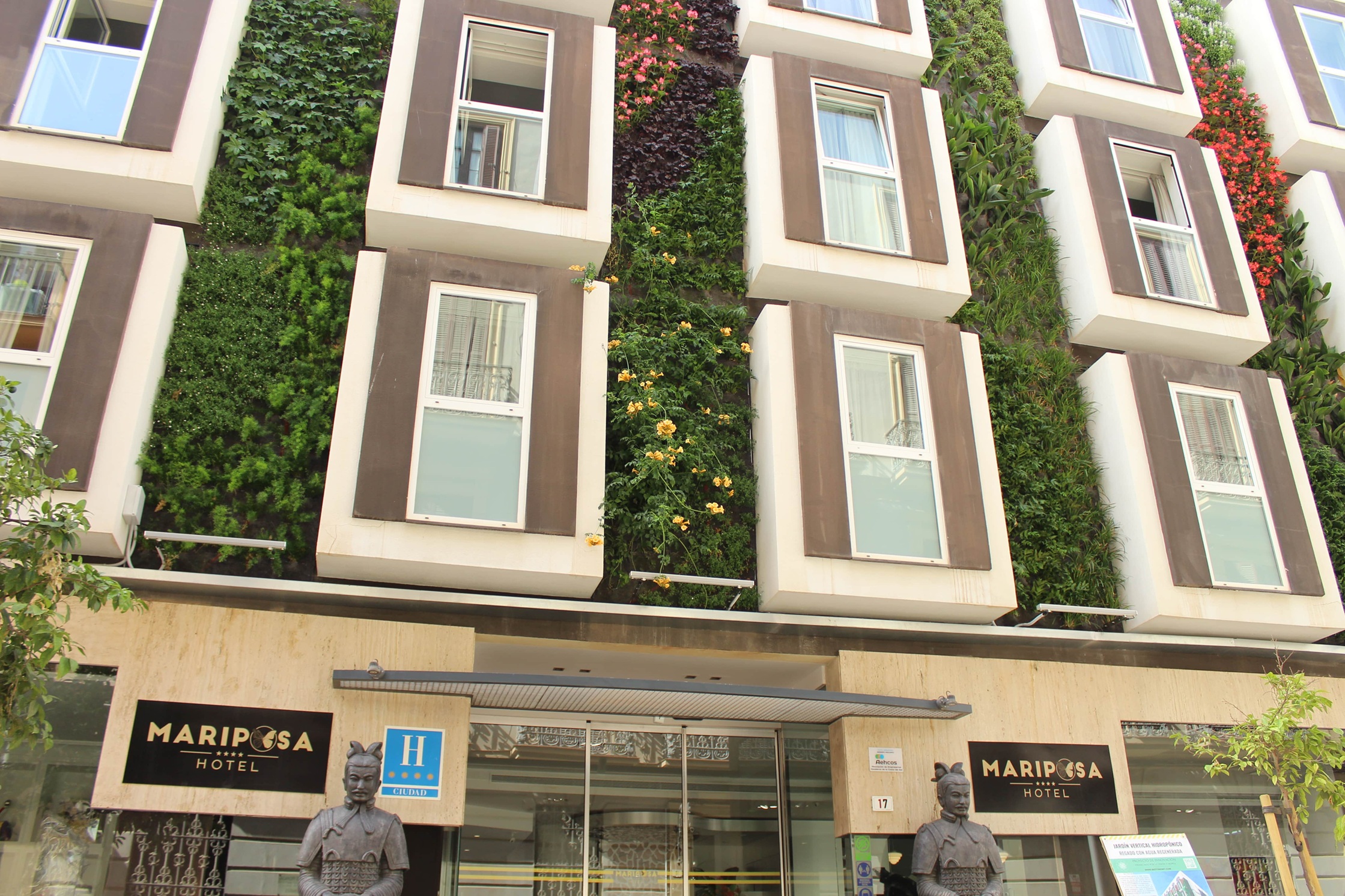
In this context, the Vertical Ecosystem international cooperation project was developed, an initiative financed by the European Commission within the framework of the Metabuilding project whose objective is to promote innovation in the construction sector to become more sustainable. The developed prototype of vertical garden has been installed and tested in a real and operational environment, counting with the support and commitment of the 4-star Hotel Mariposa located in the Soho district of Malaga (Spain), offering its facilities for this purpose.
The resource in a nutshell
A vertical hydroponic garden irrigated with reclaimed greywater, with a payback period of less than 3 years
BIOAZUL and Biotonomy AB have designed and built an innovative prototype consisting of two modules:
- a vertical hydroponic garden (100 m2, 2,500 plants of 18 species) which consumes less water than conventional vertical gardens,
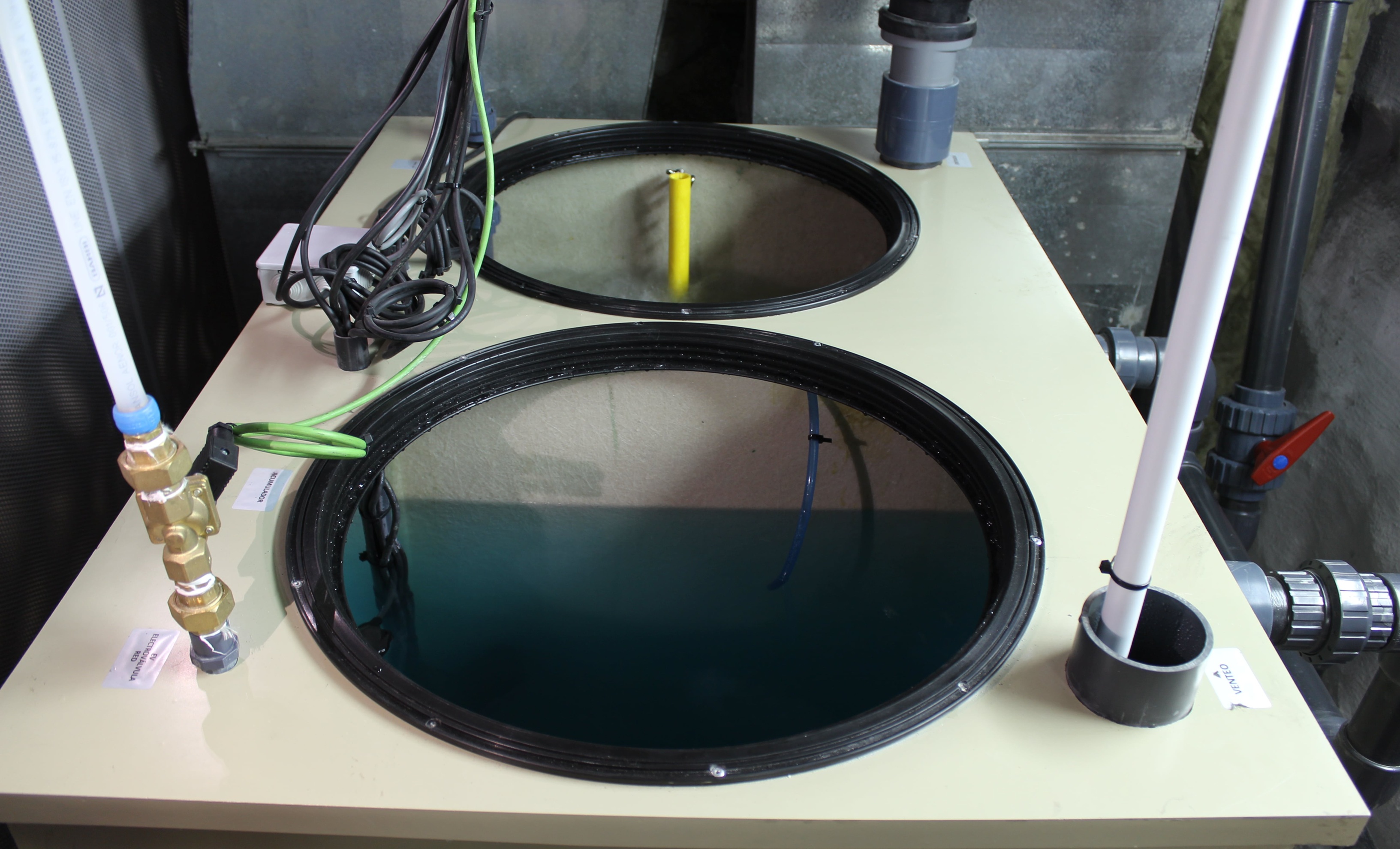
- a greywater recycling station (treatment capacity of 400 litres/day), to irrigate the garden with reclaimed water.
This innovative technology included elements for automated and telematic management through phyto-irrigation with nutrient control, minimizing human intervention in its maintenance.
A financial assessment was also conducted by BIOAZUL, with a Cost Benefit Analysis to assess the cost-effectiveness of the solution. Direct benefits included income increase for the hotel (coming from a night room rate increase of 2.5€/night) and electricity savings (thanks to temperature regulation provided by the vertical garden, especially in hot summers). Externalities were also taken into account and consisted in CO2 equivalent savings coming from electricity consumption decrease. The payback period amounted to less than 3 years. Other positive environmental and social impacts such as filtration of dust and harmful gases, outdoor temperature regulation, noise reduction, increased biodiversity, improved aesthetics and recognition for the hotel were not valued.
Finally, the public acceptance of the vertical garden was assessed through a social perception survey (70 participants) and very positive reactions were received.
The vertical garden therefore proves to be an economically viable solution to integrate NbS in existing buildings.
The Vertical Ecosystem was funded through cascade funding by the Metabuilding project, funded by the Horizon Europe programme.