Transforming urban practices through culture, creativity and care.
Co-creation process and creative practices to address environmental challenges in three pilot landscapes.
Credit: PALIMPSEST consortium
Credit: PALIMPSEST consortium
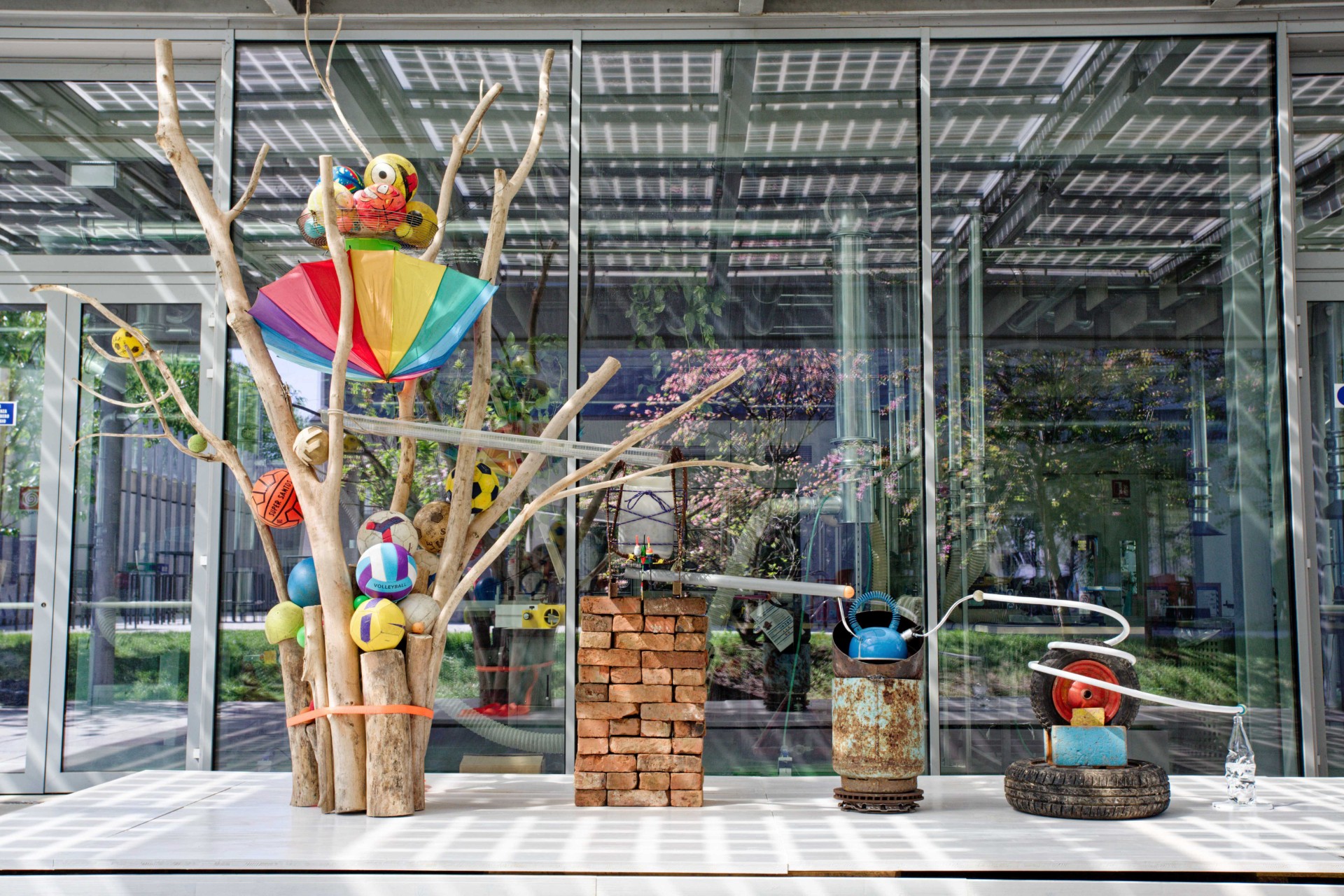
Credit: PALIMPSEST consortium
Case Study
Context
Three landscapes in crises: flash floods in Łódź, water pollution in Milan and heat peaks in Jerez.
Climate change, environmental degradation, and growing social inequalities are reshaping our cities. Together with the unique cultural, historical, and institutional characteristics of each place, these challenges call for new ways of imagining and creating more sustainable urban futures.
Jerez de la Frontera is an Andalusian city known for its wine culture, horses, flamenco, and fertile albariza soil —a type of terrain highly prized in viticulture for its exceptional capacity to retain water and nutrients. The city is characterised by strong winds and increasingly extreme temperatures—reaching a record 45.8°C in 2025.
The very name Łódź, meaning “boat,” reveals how deeply the city has been shaped by its water system and how crucial water management remains today. In both the city’s agenda and the daily experiences of its residents, episodes of flooding and drought are ever-present concerns, disrupting everyday life and underscoring the urgency of sustainable action.
Milan (Italy) has a peculiar relationship with its waters; for centuries, water has shaped Milan’s identity, economy, and ways of living. Over time, however, the connection between the city, and its waterways has weakened, gradually obscured by rapid urban expansion, industrial transformation and the poor quality of the river waters.
Story
From open call to prototypes: creative actions tackling environmental challenges.
PALIMPSEST started in March 2023. It is a RIA HORIZON EU project coordinated by the Politecnico di Milano.set out to explore a question that sounds simple but is not: can artists, designers and architects contribute to sustainable urban transformations? ?
The first step was to find the right people. In early 2024, the project launched an open call for creative agents. The response was strong, with proposals coming from across Europe. Three were eventually selected, one for each pilot.
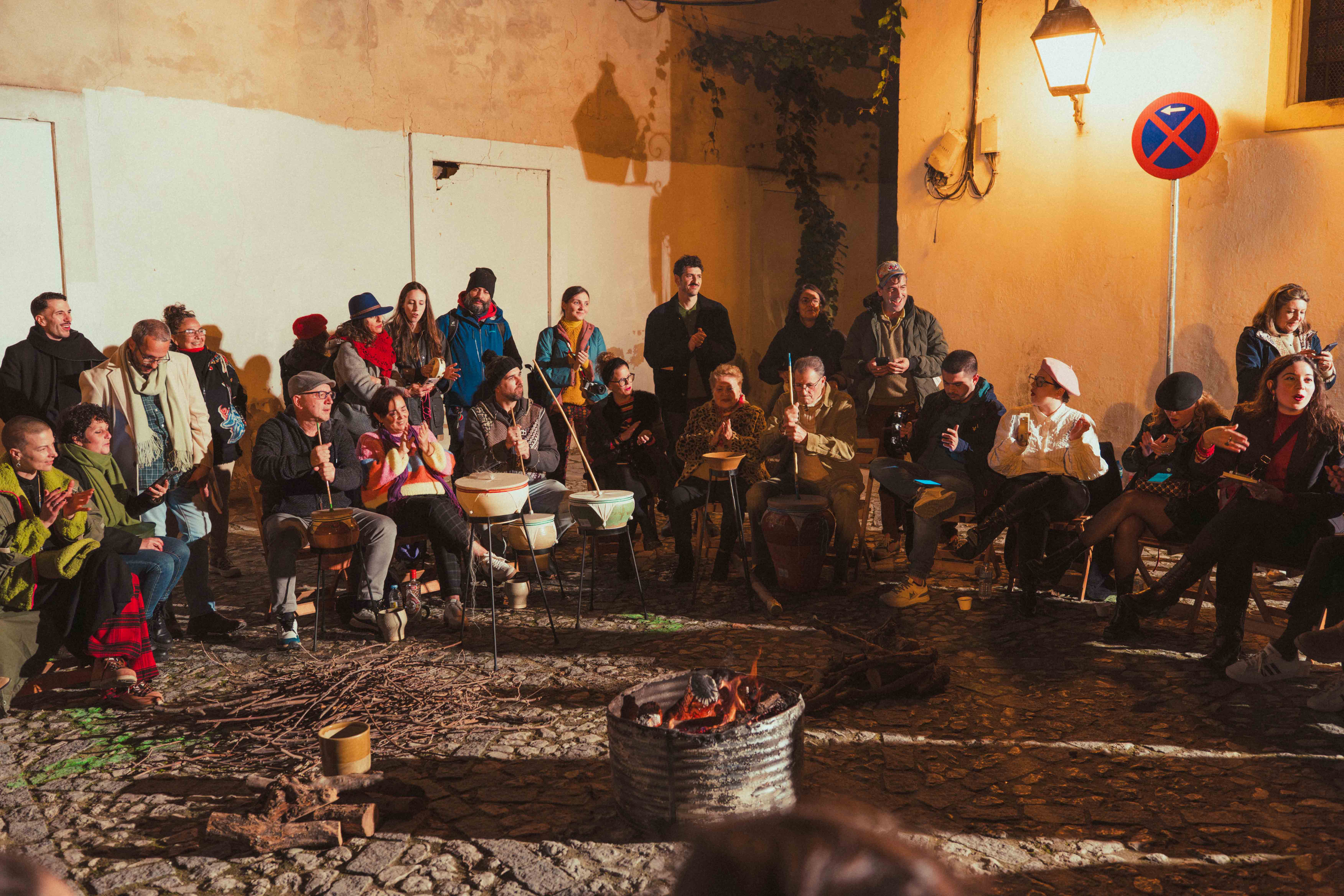
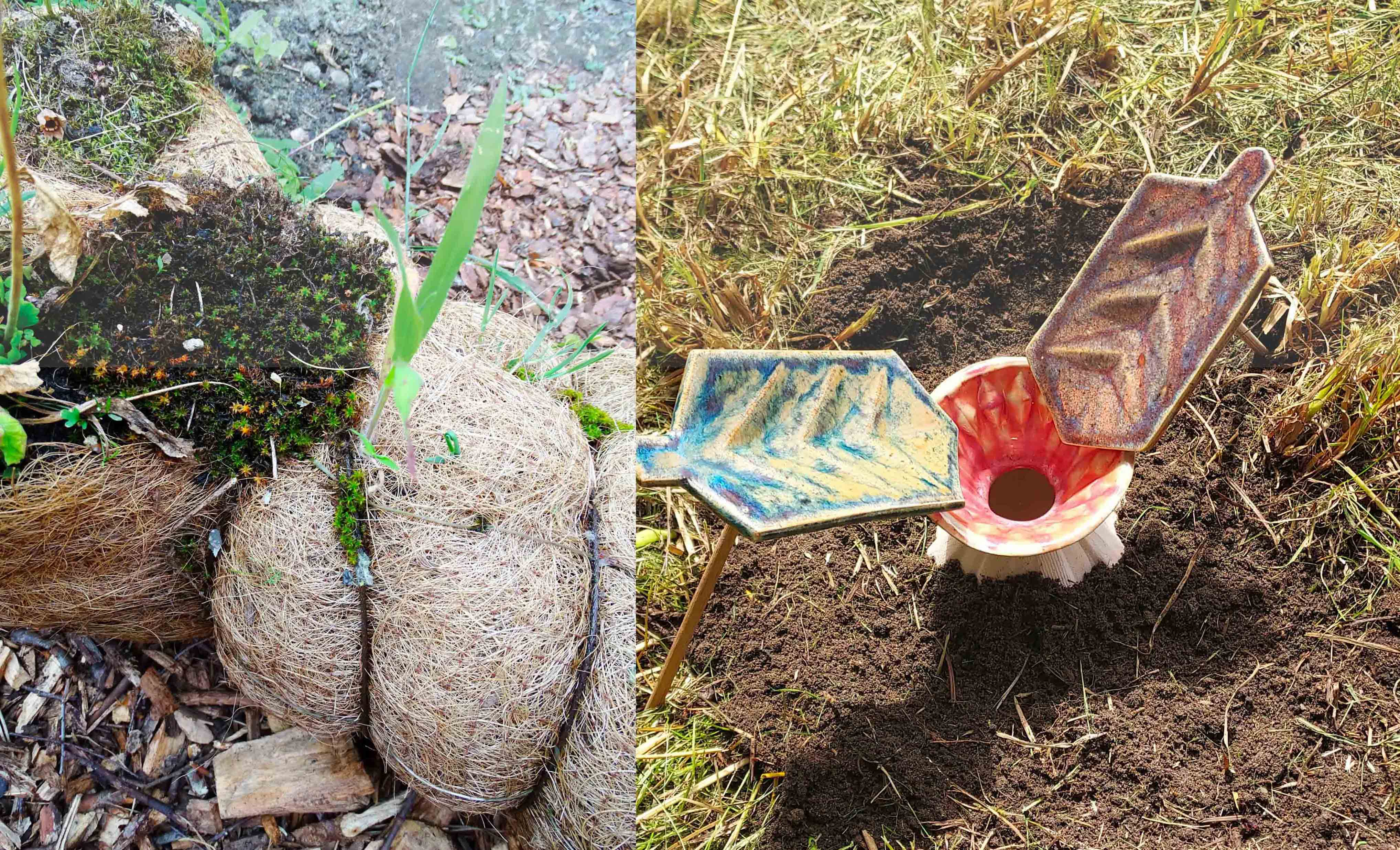
In Milan, the duo gethan&myles took on the Lambro River: a polluted waterway running through the city's eastern outskirts. In Jerez, Estelle Jullian started exploring the wine landscape through ceramics, sound and the tradition of the zambomba, a traditional Andalusian friction drum used in Christmas celebrations. In Łódź, local creatives (ceramic artist Magda Stecka and landscape studio Deer Garden) began working on low-tech water management solutions: Rain Flowers -ceramic vessels that capture rainwater and release it slowly into the soil - and Lodz meanders - a natural device made in mulch, wood chips, wool, coconut fiber, and soil to manage rainwater in urban areas that experience both heavy rainfall and extended dry periods. The project conceptualized two cycles of Residential workshops and prototyping & testing phases. In June 2024, gethan&myles led a week-long exploration of the Lambro River, bringing together local institutions, associations and citizens. In Jerez, ceramics students and local experts worked alongside Estelle Jullian on the first prototypes of the reimagined zambomba. In Łódź, during the community workshops, Rain flowers and Lodz meanders were co-produced and implemented in experimental sites. The second cycle of Residential Workshops and the prototyping & testing phase took place between spring and autumn 2025, focusing on implementing and testing the prototypes and on rooting the creative actions within the local communities.
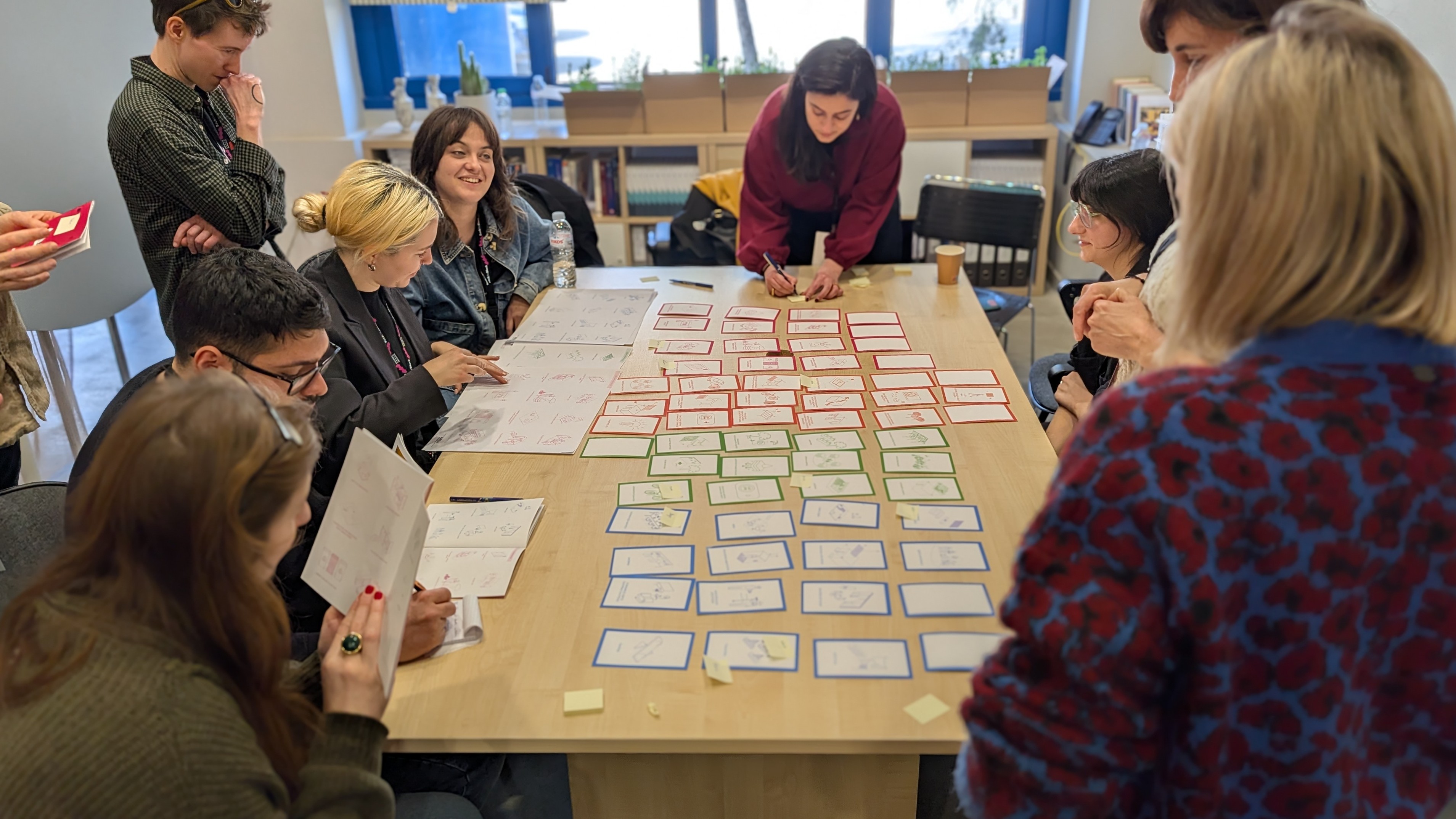
Each pilot was built around a partnership involving a local institution, a pilot curator, and a creative agent who worked collaboratively with local associations, stakeholders, and citizens to create spaces for experimentation, dialogue, and collective learning.
Lesson learnt
Embedding creative actions takes time. Local knowledge is a resource. Iteration makes ideas stronger.
Embedding creative actions into local practices requires time, sustained effort, and the right agency. The pilot curator proved to be indispensable in this process, acting as a cultural mediator, contextual interpreter, connector, and trusted point of reference. By bridging creative practitioners, institutions, and local communities, curators helped ensure that creative actions responded to place-specific needs and became rooted in local contexts.
Another key lesson concerns the value of local knowledge. PALIMPSEST brought together a wide range of local actors, including technical experts, environmental scientists, educators, craftspeople, artists, creative practitioners, and environmental and cultural associations. Their knowledge, experience, and deep understanding of place were essential to shaping meaningful and locally grounded interventions.
In Łódź, the Rain Flowers and the Łódź Meanders emerged from workshops with residents who experience flooding and water-related challenges in their own neighbourhoods. In Jerez, the reimagined Zambomba drew on the expertise of the Coca family, the last remaining artisans who still handcraft the traditional instrument. In Milan, gethan&myles collaborated closely with local craftspeople, civic associations, and residents living and working along the Lambro River.
These experiences demonstrate that local knowledge is not simply a source of information - it is a fundamental resource for designing creative actions that are relevant, credible, and capable of taking root within their communities.
Regarding processes, the two-cycle structure was relevant. Having a second round of workshops and prototyping allowed the pilots to refine their experiments based on what they had learned the first time. This was built into the roadmap from the start, and it proved useful.
The project also highlighted the value of connecting creative experiments to existing cultural practices and rituals. The Lambrogino Award, for example, reinterprets Milan's civic honour (the Ambrogino d'Oro) as a recognition of environmental care for the Lambro River.
Impact
The Creative Dialogues Open Call drew 141 complete proposals from 26 countries. Milan accounted for 55 of them, Jerez for 50, and Łódź for 36. That level of engagement suggests that creative professionals are genuinely interested in working on environmental and territorial issues.
The project produced several resources that are now publicly available. There is a handbook, a toolkit for the Łódź pilot, the SONE catalogue for Jerez, and an open-access book called "Landscapes in Trouble, Landscapes in Action", published by Mimesis International.
The Lambrogino Award was launched in March 2026, on World Water Day. It received 19 applications from groups working on initiatives related to the Lambro River. The award is meant to outlast the project itself; its management will be handed over to local authorities and river governance bodies. The name is meaningful as it is a reinterpretation of Milan’s civic honour, the Ambrogino d’Oro, as a recognition of environmental care, creating a lasting legacy for the river.
The project also helped build a network beyond its own consortium. A Memorandum of Understanding on NEB education, initiated by PALIMPSEST, was signed by 33 organisations across Europe, aiming to get co-creation and landscape sustainability into education and training. The MoU sets the foundation for a new generation of educational and training programmes aligned with NEB values.
Research published alongside the project showed that its approach (building tangible models to understand complex systems) helps people grasp difficult problems and agree on shared goals.
The project was supported by Horizon Europe.