Play Accessible Communities: Co designing mobility hubs in İzmir
A participatory project using data and games to turn a transport node into a public space
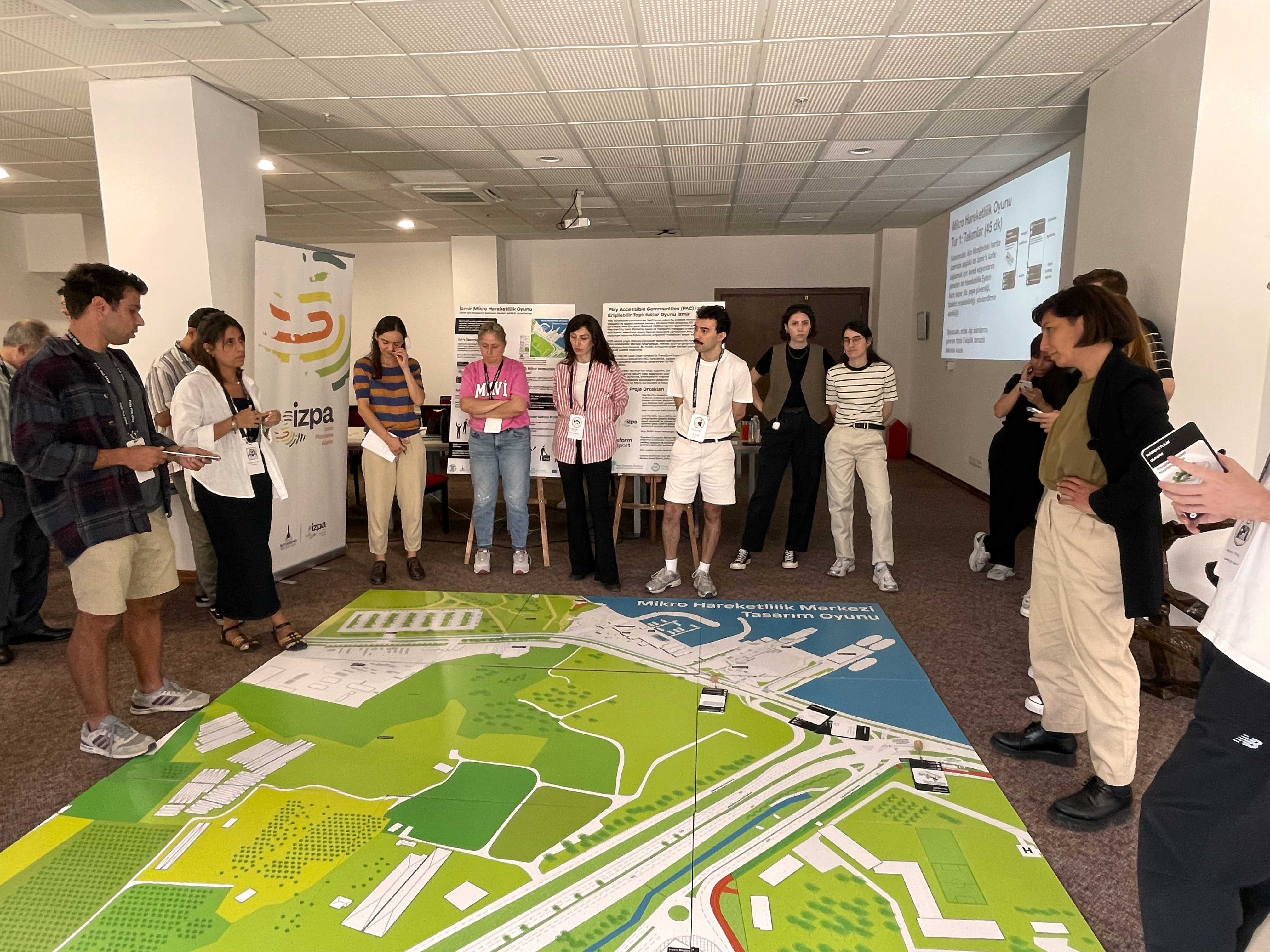
Credit: Play the City - Mobility design game session with children of local migrant backgrounds
Case Study
Context
Thousands of people pass through Üçkuyular every day. No one ever stays there.
İzmir stretches along the Aegean coast. It is Turkey’s third‑largest city, and like many Mediterranean cities, it has grown around cars. Public spaces are often fragmented. Streets belong to traffic, not to people.
Take Üçkuyular. A tram station, a ferry pier and a bus terminal meet there, next to a forest. Thousands of people pass through every day, changing from one mode to another. But no one stays. It is a transport hub, not a place.
Across Europe, similar interchanges are designed by engineers for efficiency. Young people, migrants, elderly residents and women are rarely consulted. The result is functional but cold.
The Play Accessible Communities project (PAC) was selected under the EIT Urban Mobility Co‑Create New European Bauhaus 2025 programme. It brought together four partners: Play the City, Transform Transport, the İzmir Planning Agency (İZPA), and the İzmir Metropolitan Municipality (İMM).
The challenge was simple: turn Üçkuyular into a place where people actually want to spend time, not just a node they rush through.
Story
How residents and officials played their way to a better hub
PAC started with data. Transform Transport crunched walkability scores, mapped access to schools and hospitals, and layered demographic information onto the map of İzmir. Among the six sites analysed, Üçkuyular was one of the worst‑performing hubs in terms of walkable accessibility. (Source : Transform Transport analysis)
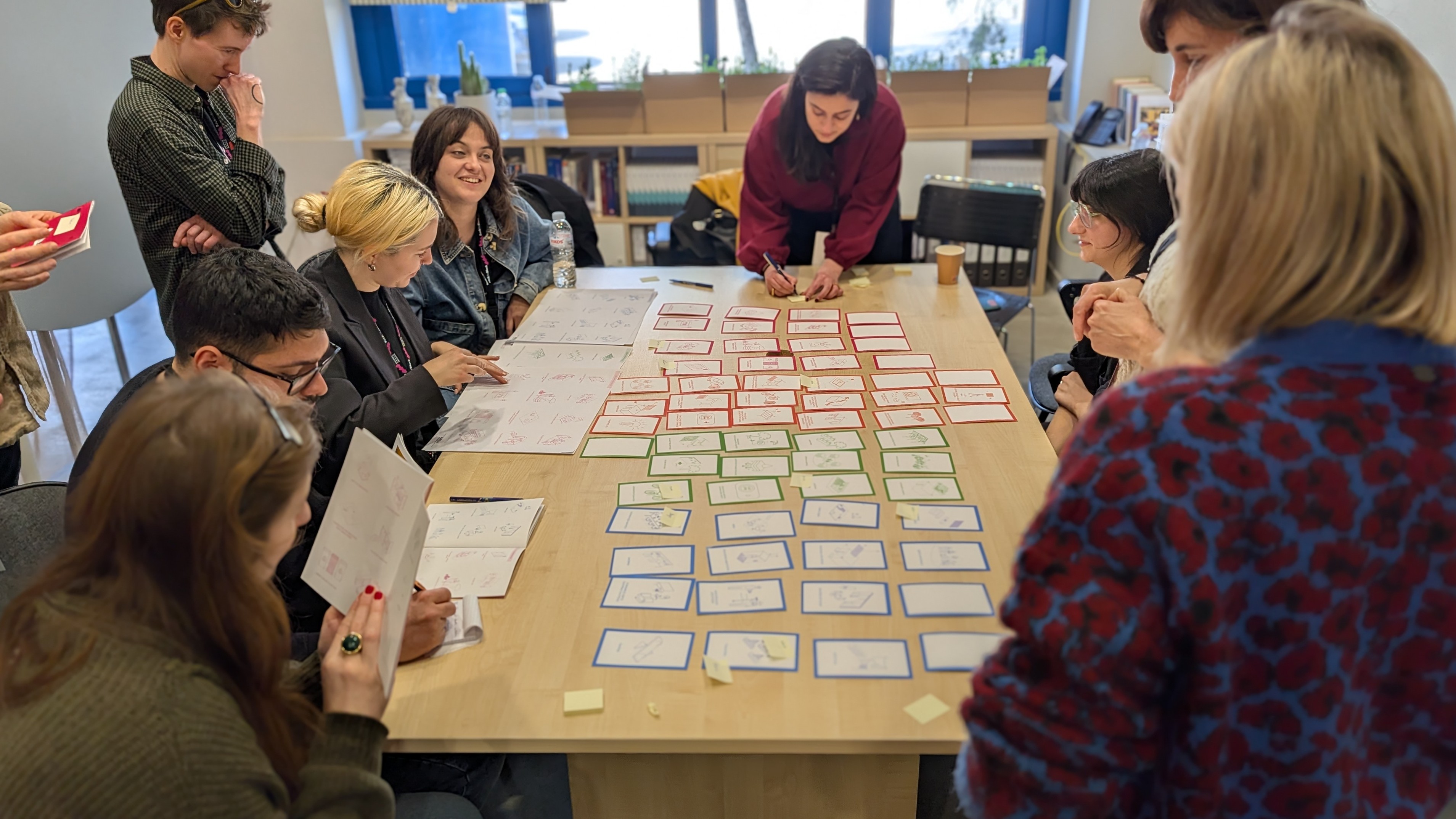
But data alone cannot design a public space. So the team turned the numbers into a game. Play the City built a tabletop exercise where residents, municipal officers and mobility experts sat together. They received role cards, a budget, and a board that looked like the real site. (Source : Play the City)
The project ran for several months in 2025. A physical test session took place in April. The main game sessions happened in September, during European Mobility Week. Separate groups played: residents, youth, migrants, NGOs, municipal staff. (Source : PAC final report)
The game forced trade-offs. More benches meant fewer bike racks. Shaded paths cost money that could go elsewhere. Participants negotiated, compromised, and voted. The process did not erase disagreements, but it produced a list of interventions that everyone had signed off. (Source : PAC final report)
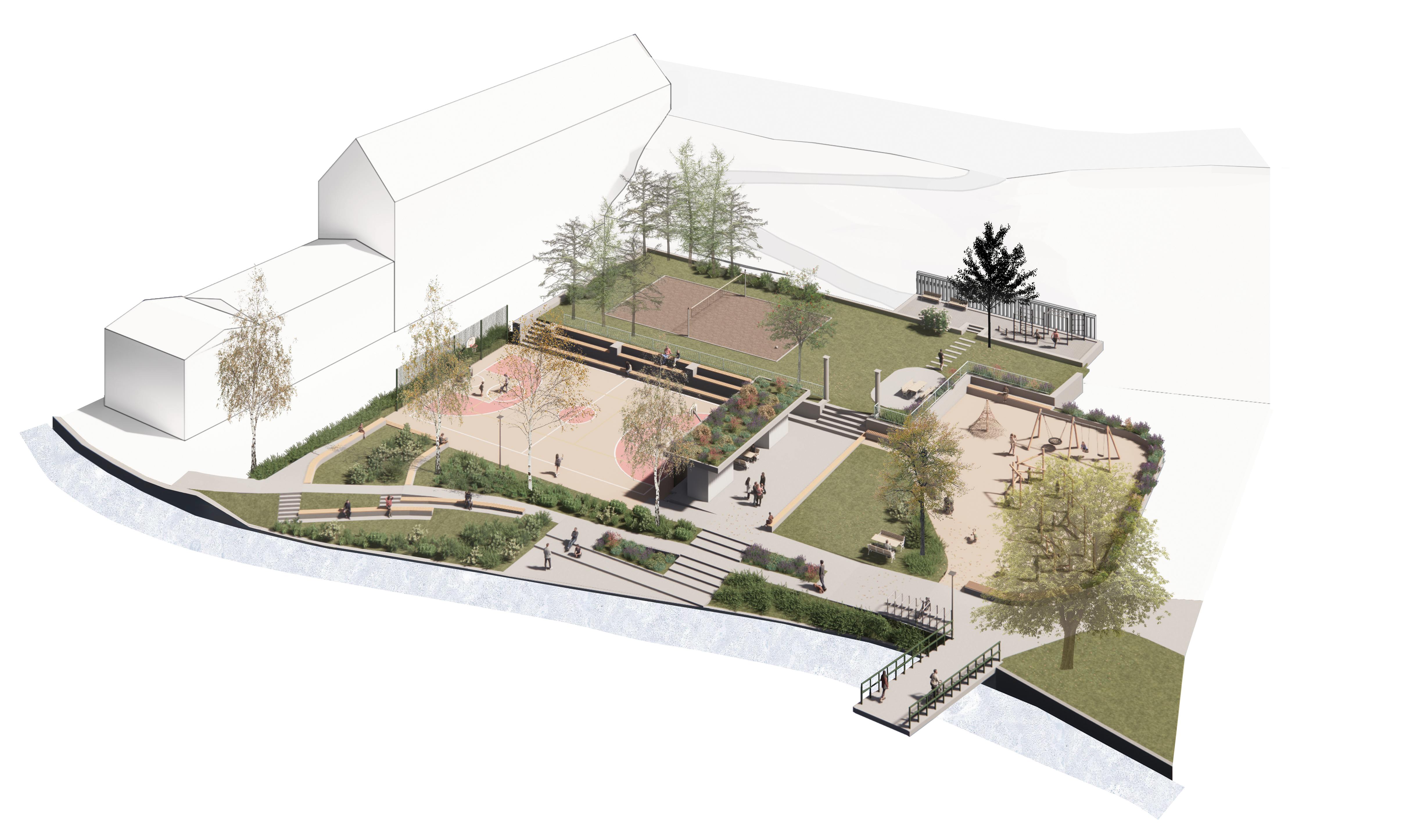
By the end, the city’s innovation lab had taken notice. The game outputs were turned into a concept design, annotated with quotes from participants. A roadmap was drawn up, aligned with İzmir’s existing mobility plans. (Source : PAC final report, VLC Innovation LAB)
The process worked for Üçkuyular. But the real outcome was simpler: a group of people who had never spoken to each other before sat around a board and designed a place together.
Lesson learnt
Numbers alone don't design public space
The data alone was not enough. It showed where Üçkuyular was failing, but those numbers stayed on paper. What turned them into practical ideas was the participatory game. Mixing cold numbers with a workshop proved powerful. It gave the municipality confidence that the results were both realistic and people‑centred.
Getting the city administration on board early was crucial. Access to local data, alignment with existing mobility plans, and regular communication with municipal departments took time. But involving them from the start helped avoid delays and made them feel part of the process.
Another lesson is that being flexible in such a context is mandatory, as working with migrants, children, elderly residents and women required constant adjustment. One size does not fit all. The team changed the way they spoke, the timing of meetings, even the tools they used. Making workshops child‑friendly made a huge difference in participation and trust. The team also learned that listening to different groups separately before bringing them together worked well. Residents talked about shade and safety, while municipal officers worried about budgets. Migrants and young people raised issues that experts had overlooked, and running dedicated sessions for each group produced much richer ideas than mixing everyone from the start.
A physical test session was organised in April, and it proved essential. An online test would not have revealed how participants actually interact with the game board, where they hesitate, or which instructions are unclear. Being in the same room helped the team see what worked and what did not.
Impact
The most visible outcome is a shared plan for Üçkuyular. The participatory game produced a list of priority interventions that residents, municipal officers and experts had agreed on together. These ideas were turned into a concept design annotated with quotes from participants, and a roadmap aligned with İzmir’s existing mobility plans.
Institutionally, the project changed how the municipality approaches public space design. The project was presented at the Sustainable Valencia Forum as one of nine selected initiatives. The methodology developed for PAC is now being considered for application to other micro‑mobility hubs identified in the city’s transport master plan.
Socially, the project built trust between groups that rarely speak to each other. Migrants, young people, elderly residents and municipal officers sat around the same table and made difficult choices together. Separate sessions ensured that vulnerable voices were heard before technical constraints took over. Participants reported feeling that their input had been taken seriously.
Behaviourally, the project demonstrated that data‑driven planning and participatory design are not opposites. Combining cold numbers with a hands‑on workshop gave the municipality confidence that the results were both realistic and people‑centred. Officials who had been hesitant at the start became more supportive by the end.
The project also produced a replicable process. While the outcomes are specific to Üçkuyular, the sequence of data analysis, dedicated group sessions, participatory game, and physical testing can be adapted to other sites. The six candidate hubs analysed earlier provide a pipeline for future work.
Play Accessible Communities was funded under the Co-create programme of the EIT NEB Community