A collaborative garden that grows community
A closed plant nursery is turned into a citizen-led garden promoting inclusiveness and nature-awareness
Credit: EL PARQUE DE LOS VIVEROS DE ULIA NO ES UN SOLAR | Kulturaldia.com - Donostia culture & fun magazine
Credit: EL PARQUE DE LOS VIVEROS DE ULIA NO ES UN SOLAR | Kulturaldia.com - Donostia culture & fun magazine
Credit: ULIA GARDEN | New European Bauhaus Prizes
Case Study
Context
The closure of a plant nursery gave citizens a blank canvas to create a collaborative community space
In 2007, the Ulia Plant Nursery in San Sebastián closed its doors, leaving behind a 14,400 m² green space ready to be reimagined. Three years later local residents seized this opportunity to create the Ulia Garden project—a place designed to be both beautiful and ecological, while respecting the site's history. One of its most remarkable features lies beneath the surface: two cathedral-like water reservoirs dating back to the 19th century.
Originally, the plant nursery supplied the city with plants and flowers grown in its three greenhouses. After its closure, the site remained abandoned for several years and was earmarked for the construction of 30 luxury homes. In 2013, however, local citizens proposed a different future. They envisioned a public, collaborative garden that would preserve the site's natural and historical value. That is how the Ulia Garden was born.
Story
Designing a garden to cultivate a sense of belonging
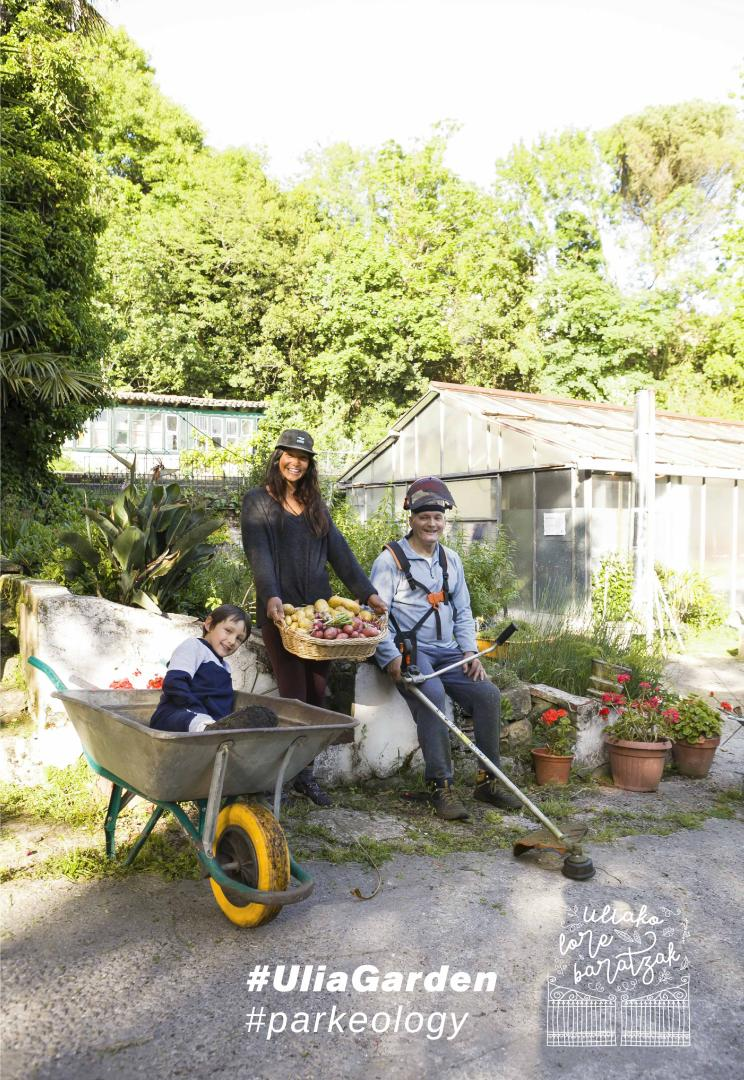
Designed to empower communities through collaboration and interdependence, the 14,400 m² garden preserves the character of the former plant nursery, giving the site its distinctive identity. Organic vegetables are still grown there, and a consumer group has been established with local producers to promote responsible consumption. Visitors can also use an on-site composting centre, while educational activities raise awareness of alternative food systems. To better understand and showcase the garden’s ecosystem, a study carried out in 2016 documented its flora and fauna.
The garden is led by women and jointly managed by volunteers, who care for the site, and the City Council. Beyond its maintenance, the space hosts a wide range of cultural activities and co-creative workshops open to people of all ages, promoting learning through hands-on experience. Everyone is invited to explore the values of caring for both the Earth and the community.
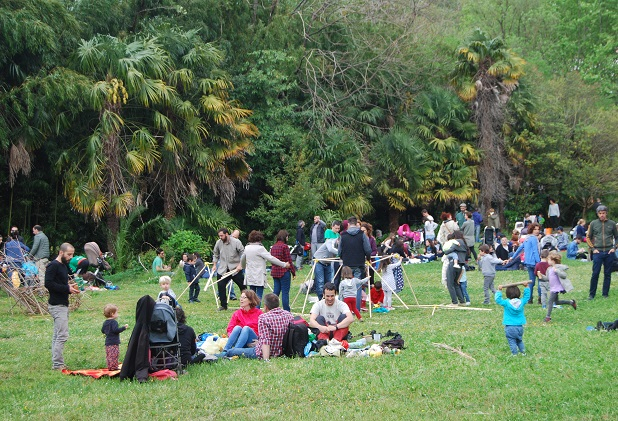
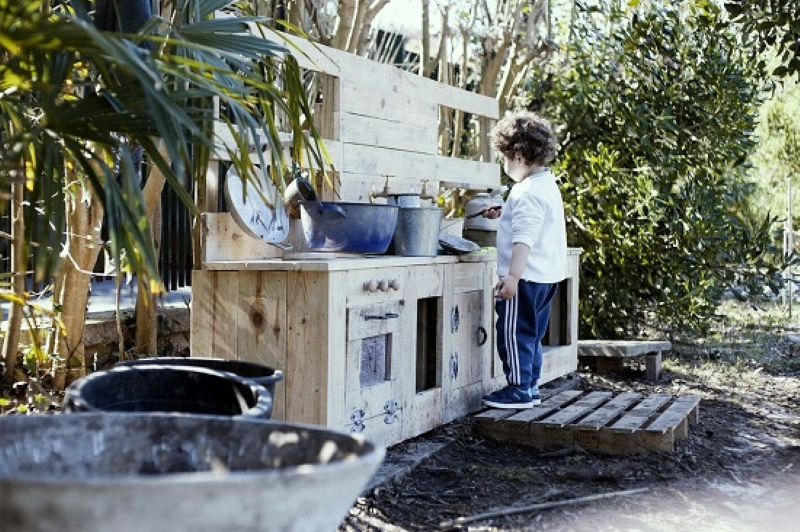
Ulia Garden also serves as a vibrant cultural venue, welcoming film shoots, photography projects, poetry readings and daily musical performances. It is equally common to find political assemblies or agroecology workshops taking place in the park. For younger visitors, the garden offers countless opportunities to explore and play, from the bamboo forest and pond to climbing trees, open fields, sandy areas and the vegetable garden.
Inclusion is at the heart of the initiative. The place works with people living with severe mental illness, as well as migrants and refugees, through horticultural activities that encourage participation and social connection. The project also provides gardening tools to people experiencing homelessness, helping to normalise their presence in the garden and create a space where everyone is welcome.
Lesson learnt
Citizen-municipality cooperation is essential to the project’s long term sustainability
Managing a public space responsibly means caring for both people and nature. Encouraging lasting sustainable change in a consumer-driven, individualistic society remains a challenge. To address this, a social innovation lab brought together people of different ages to generate ideas and shape the project's future. This collaborative approach aims to build a more inclusive society with fewer inequalities by transforming the relationship between people and their environment. At the same time, the project depends on the continued commitment of active citizens to thrive.
Because Ulia Garden is located on municipal land, close collaboration with the San Sebastián City Council is essential, even if dialogue can sometimes be challenging. Keeping a shared focus on social well-being and nature conservation has been key to maintaining constructive cooperation.
Impact
Ulia Garden gives citizens a calm but active space to learn, play, create and connect with nature and other people from diverse cultures and at many ages. In 2020, 9 schools and institutes benefited from workshops, and several universities collaborated through some work on architecture, law and communication. In 2021, more than 175 people have participated in the activities organized by Ulia Garden, of which 63,7% are women. Every week, 30 people practice urban agroecology in the garden, enabling to feed 25 families through 5 organic producers. Once a month, a group of 50 people clean and maintain the park. This task usually ends with a small gathering or a picnic.
By creating opportunities for people to meet, learn and work together, Ulia Garden helps tackle loneliness by fostering a strong sense of community—an impact that became even more important in the aftermath of the COVID-19 pandemic. Alongside activities on site, the project also engages participants online through social networks, making it possible for even more people to take part.
The project has raised social and environmental awareness, encouraging more sustainable consumption and supporting the circular economy. By helping citizens recognise the value of shared public resources, it also inspires future generations to care for the environment.
The Ulia Garden project was funded by the Donostia municipality programme.