A Living Lab for Post-Soviet Green Spaces
Co-creating climate-resilient and inclusive regeneration in Vilnius
Credit: All photos copyrighted as @TheCritical
Credit: All photos copyrighted as @TheCritical
Credit: All photos copyrighted as @TheCritical
Case Study
Context
Soviet-era estates in Vilnius, where citizens push for green space renewal.
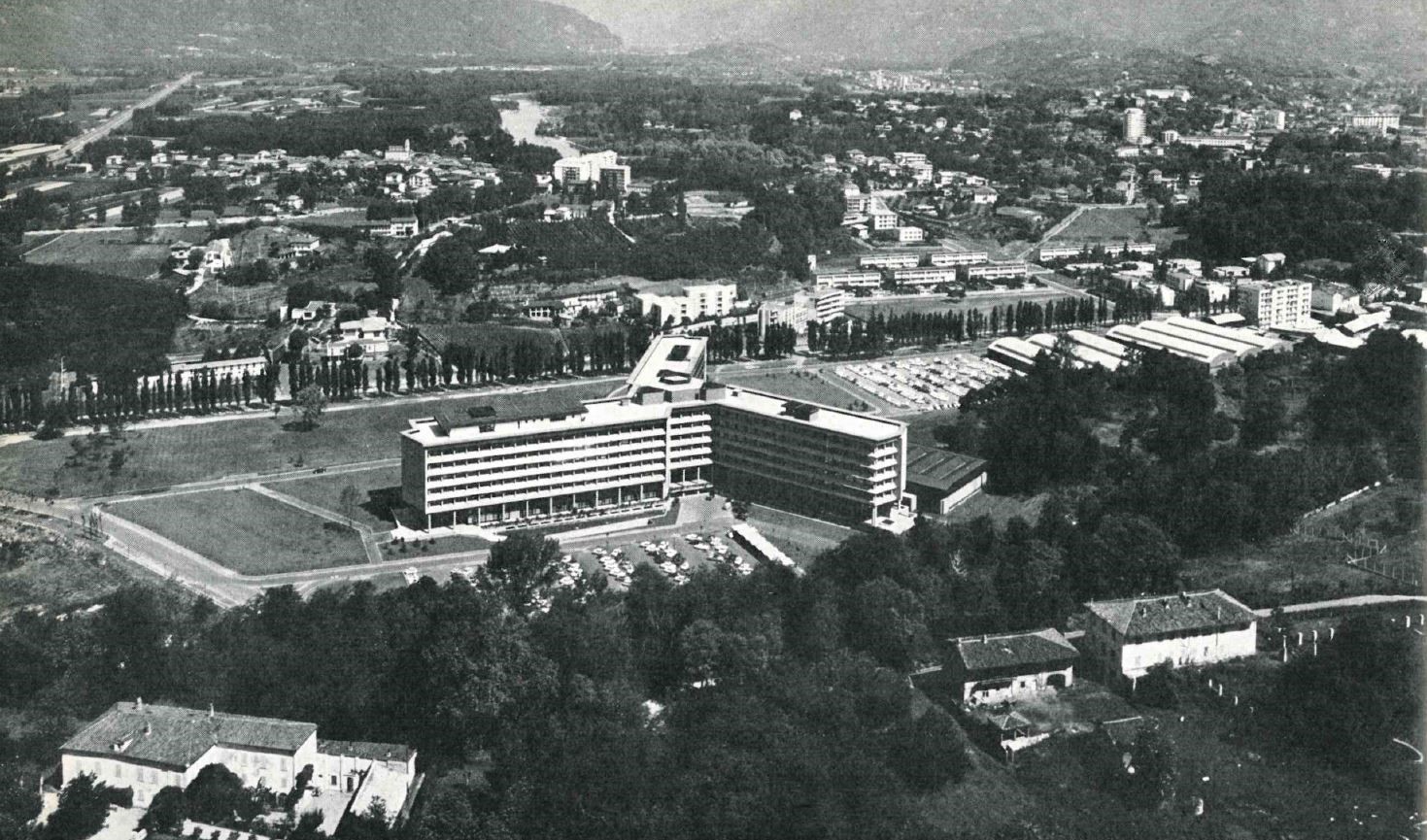
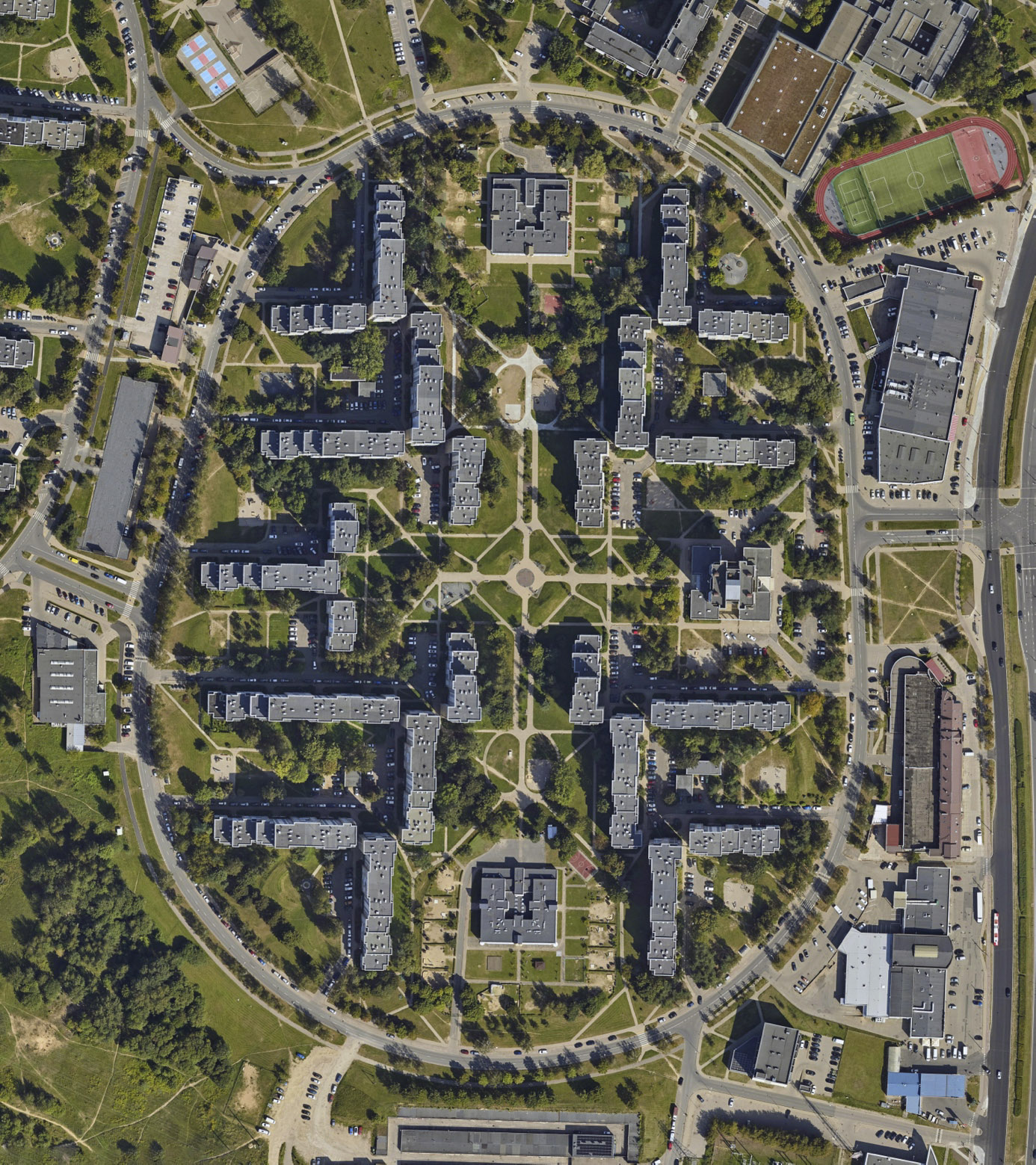
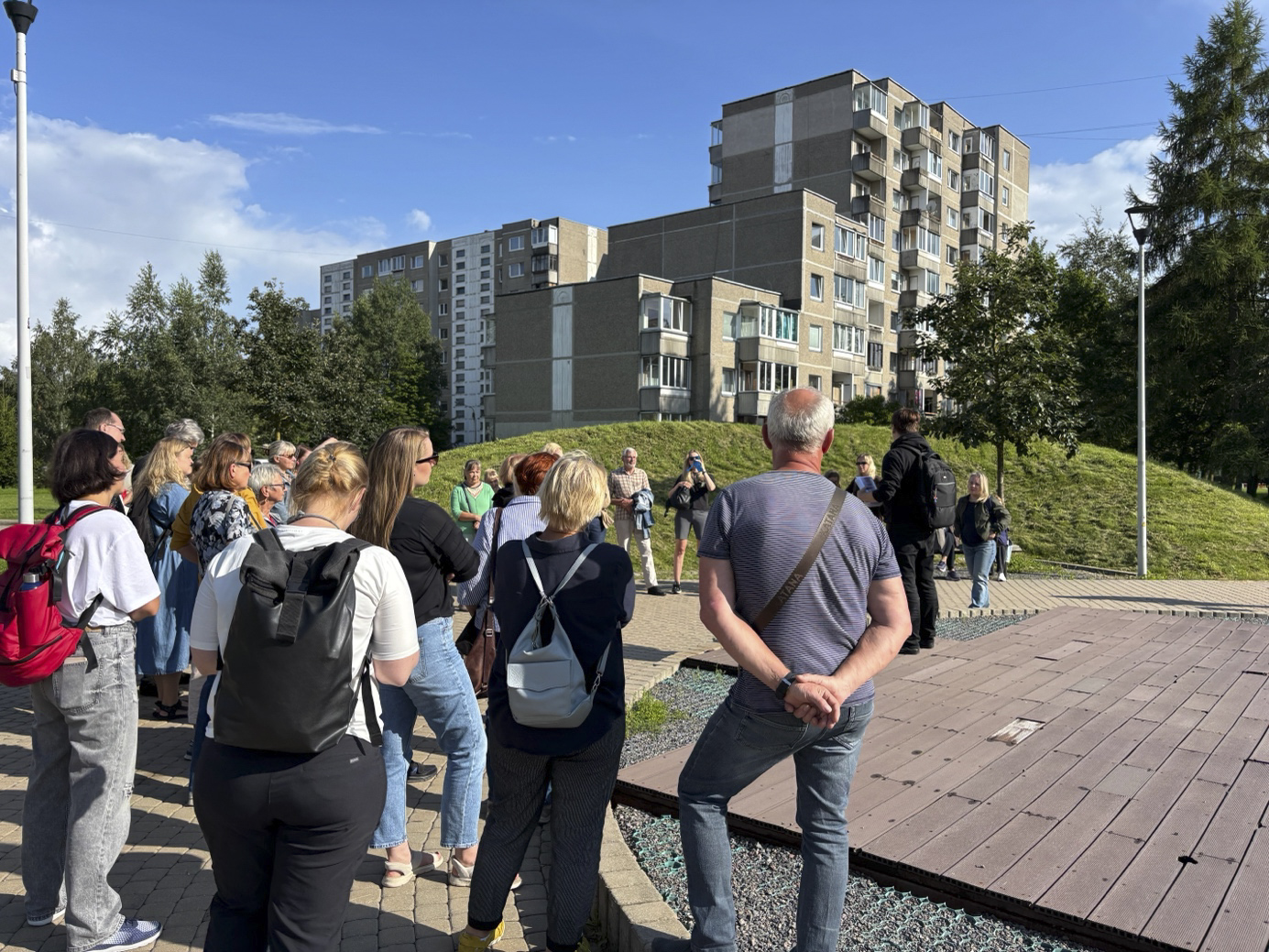
Pašilaičiai is a Soviet-era mass-housing district in Vilnius, built in the 1980s. Like the many such districts across Central and Eastern Europe, it has large green spaces. They are often neglected, poorly maintained and ill-adapted to climate change. Residents use them daily, but have little say in how they are managed.
Vilnius has a strong tradition of public green spaces, but many need regeneration. Climate change brings heavier rainfall and more frequent heatwaves. Regeneration should be an engaging experience for all stakeholders taking into consideration the local context.
Citizen participation is growing, with participatory budgeting and platforms like "Kuriu Vilnių". But these are not always easy to connect to concrete projects.
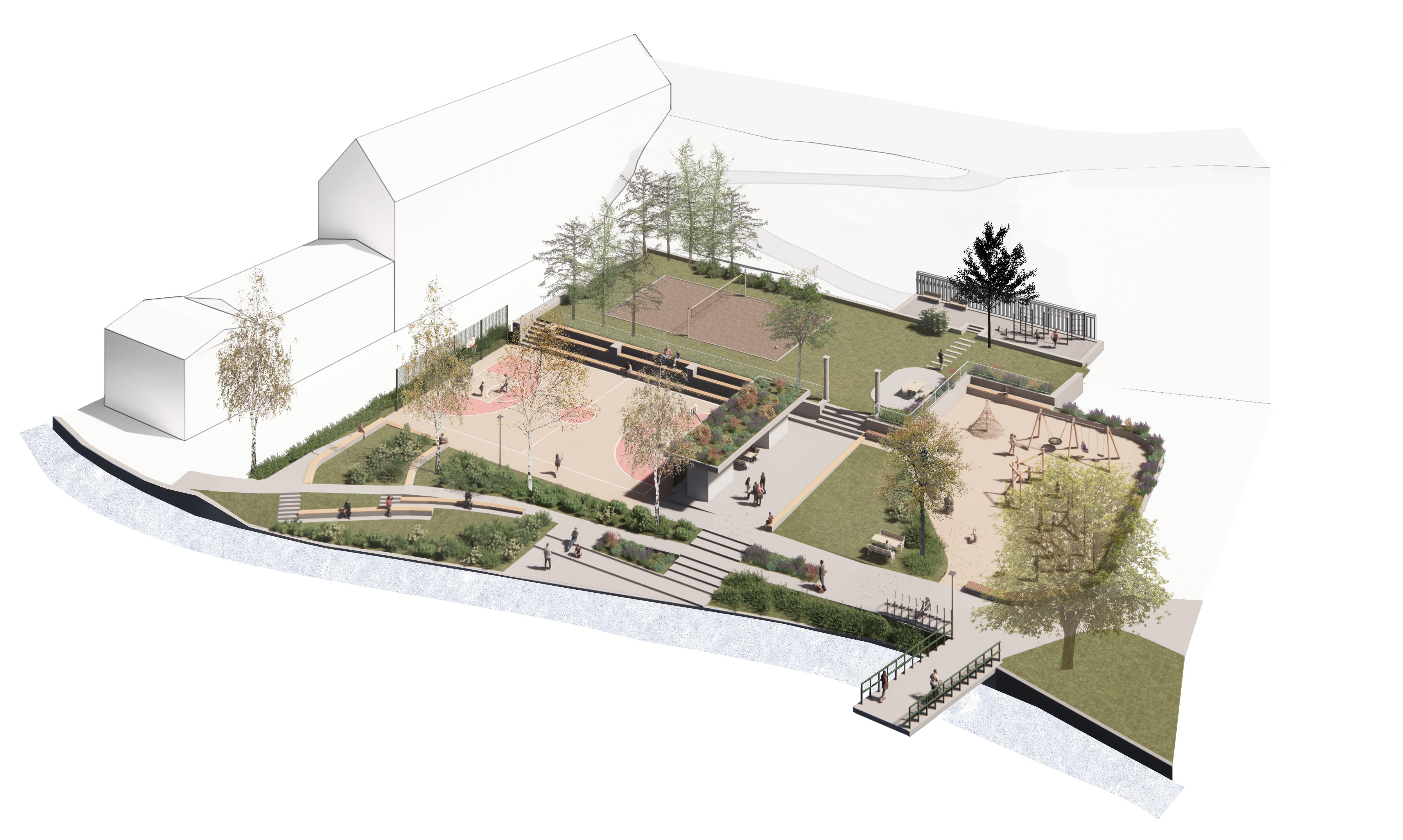
The Vilnius Green Living Lab chose to work on the regeneration of Žemynos Square that was happening at that moment. Some parts are well-maintained, others neglected. It was scheduled for revitalisation, but the architects had little insight into what residents want and how the space should smoothly transition from the current state to a new one.
Story
A living lab where residents co-create a vision for their square.
The project started in February 2025, led by The Critical, a Vilnius-based research, design and strategy studio. Its goal: use Žemynos Square as a "living lab" to explore how post-Soviet green spaces can be regenerated in climate-resilient, circular and socially inclusive ways.
The team began with context analysis and stakeholder mapping. They researched Pašilaičiai's planning history and policy framework. They identified key actors: residents, the eldership, municipal staff, and the architects from "Vilnius Parks" already working on the square.
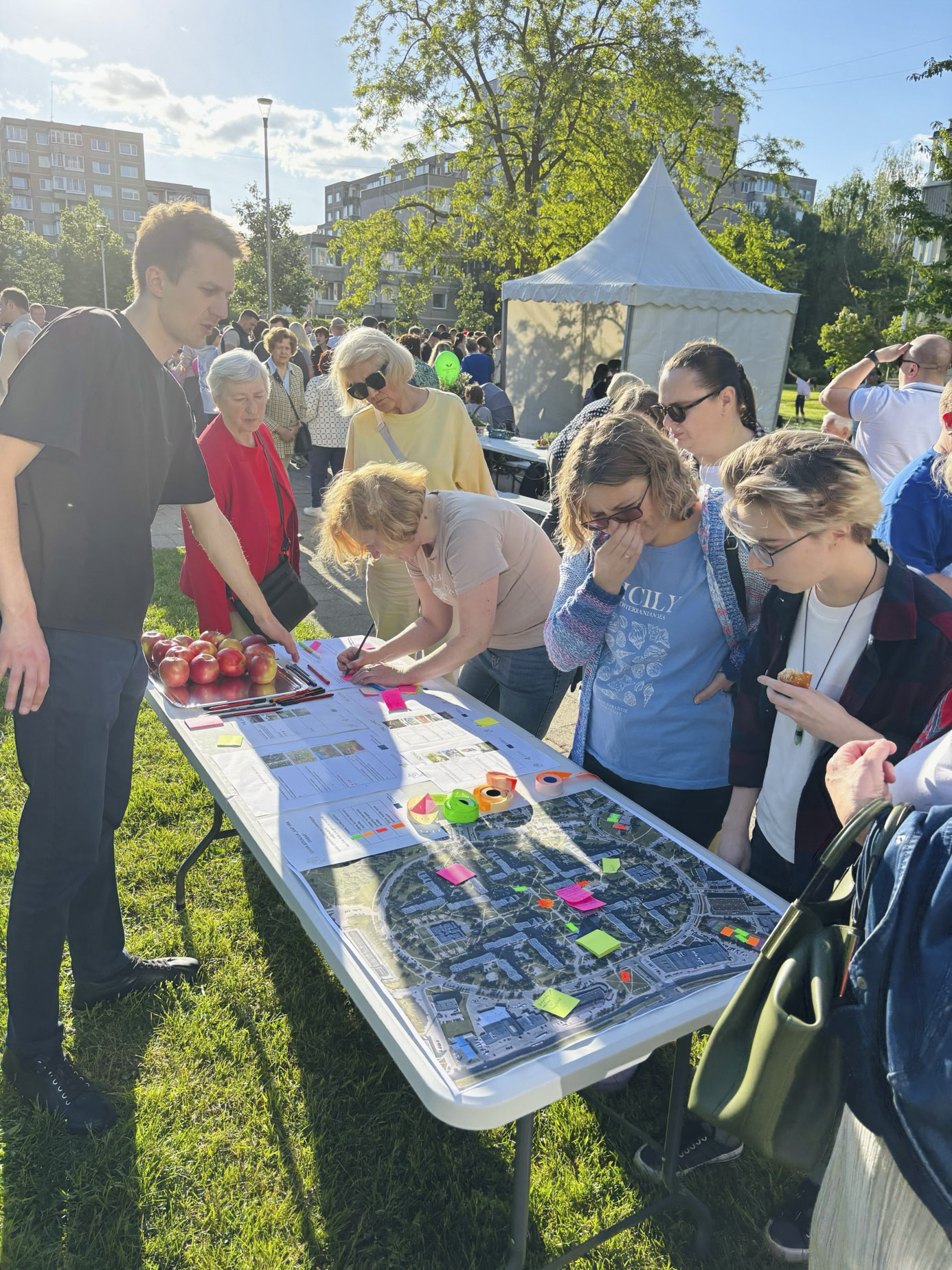
The whole process was designed to be inclusive. The team joined a neighbourhood festival with large maps, inviting residents to mark what works, what does not, what feels unsafe, and what they would like to see. They organised a historical walk through Pašilaičiai, using questions about memory and identity. In case people couldn’t come, they could fill in an online survey.
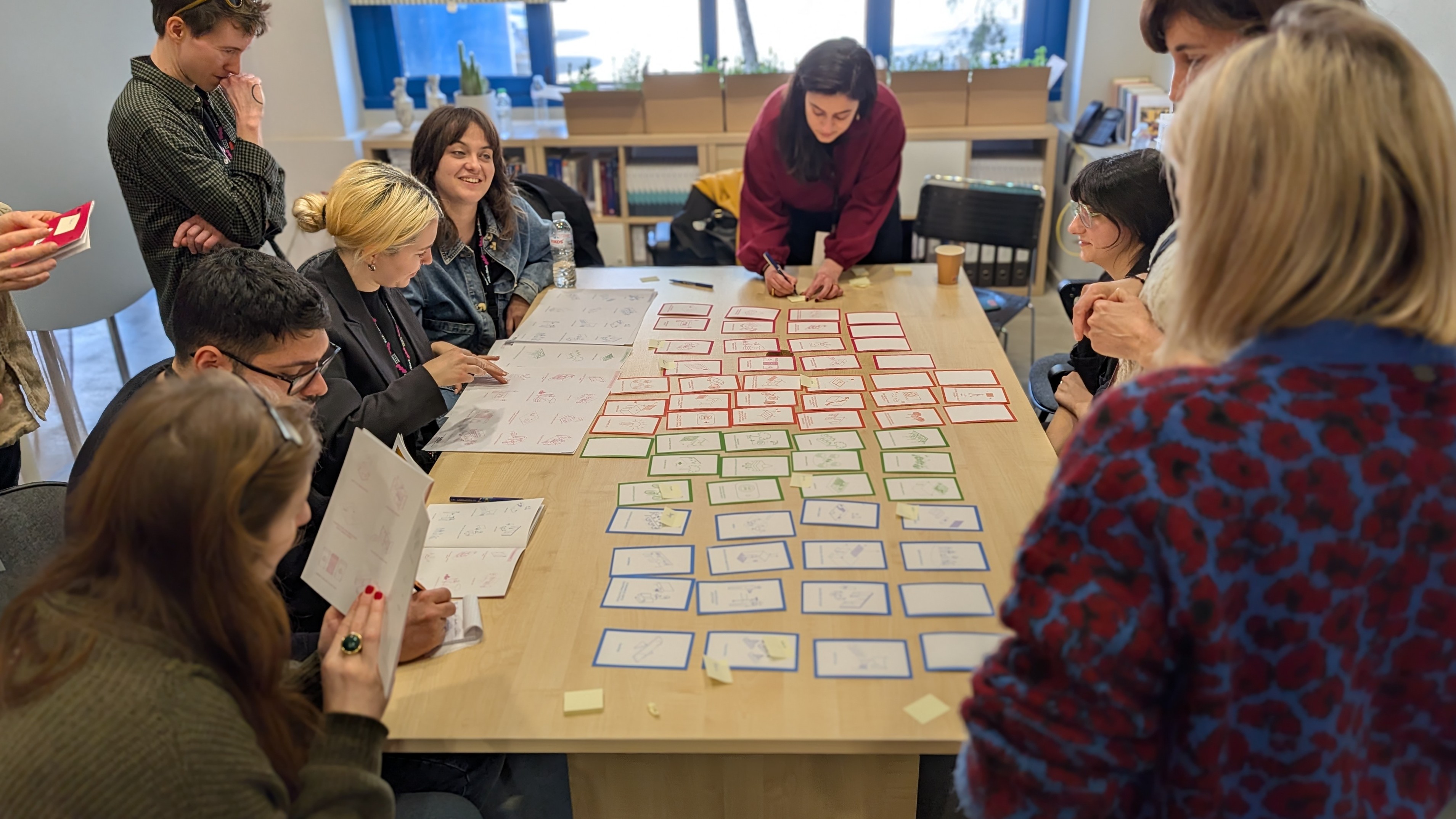
Educational sessions then followed. Residents and pupils learnt about nature-based solutions such as green roofs, rain gardens or porous pavements, and about circularity and material reuse.
Co-creation workshops brought it all together. Residents combined their insights with nature-based solutions knowledge to develop spatial visions. The final public event in November 2025 presented the findings to municipal representatives, architects, eldership staff and engagement practitioners.
Lesson learnt
Keep institutions in the loop. Clarify roles in informal cooperation. Communicate continuously.
The team learnt that informal cooperation can work, but it also creates grey zones. They worked closely with the architects of "Vilnius Parks" on Žemynos Square. The architects valued the citizen insights and residents saw their input linked to a real project. Nonetheless, the planning team originally did not have the engagement task in their planned work. This sometimes led to a limited input and engagement from the planning team.
Since the location was chosen, it became obvious that a deep dive to place identity is needed since there is a plenty of possible ways and solutions to regenerate, but the chosen ones must be integral part of this very site. Thus, invested time in place identity identification has paid off substantially.
Although, the engagement took various forms and used different methods, a continous physical presence on the site would have been beneficial. Invitations were posted, people came, conversations happened. But between events, rumours and misunderstandings spread in online community groups. The team realised they needed to be present in those spaces too — not just to post, but to listen, clarify and respond. This notably because people who could not attend events still formed opinions based on partial information.
Finally, the team initially analysed a wider district. When they learnt that Žemynos Square was scheduled for revitalisation, they shifted their focus onto this particular site. This allowed them to align their work with a concrete municipal project. A thorough scan of ongoing and planned projects before the work began would have made it easier to choose the right site from the start, and to identify where citizen engagement could add real value.
Impact
The project reached around 107 participants across its activities. 68 people completed structured educational sessions on NBS and circularity, gaining knowledge and skills applicable to public-space regeneration.
The co-research and co-design process produced a citizen-informed analysis of Žemynos Square. Residents identified what should be preserved, what feels unsafe, which areas are underused, and what functions they miss. The circularity workshop added an inventory of existing materials that could be reused. These insights were synthesised into citizen-generated principles, design recommendations and a practical toolkit for architects, planners and municipal staff.
The project also influenced the official revitalisation of Žemynos Square. The architects from "Vilnius Parks" acknowledged that without the citizen engagement and explored site identity, they were unsure what direction to take and what the community valued. The collaboration gave them concrete insights and technical information on material reuse.
The final public event gathered municipal staff, architects and practitioners. They expressed strong interest in the methods used and the potential of the toolkit for future projects. The project also increased awareness of participatory approaches within municipal departments.
The team plans to continue working with Vilnius City Council beyond the project's end, and there is interest in replicating the approach in other cities.
The project was supported by the EIT Community – Connect NEB programme.