Harvesting Food, Harvesting Memories
Growing community and preserving traditions across generations
Credit: All credits @Terra Felix Social Cooperative

Credit: All credits @Terra Felix Social Cooperative
Credit: All credits @Terra Felix Social Cooperative
Case Study
Context
A rural area in southern Italy where traditions fade and generations drift apart.
The Agro Atellano is a rural area between Naples and Caserta in southern Italy. It was once known as Terra di Lavoro, a land of rich agricultural traditions passed down through generations. But over time, the local economy changed. Small farms gave way to industrial zones, and later to large commercial structrures. As a result, agricultural land was lost, and local industry itself declined.
Today, the area faces familiar challenges. Children grow up with limited access to green spaces and unhealthy eating habits. Educational poverty is widespread, with high rates of school dropout. Many elderly residents live in isolation, their knowledge of farming and traditional cooking at risk of disappearing.
The region still has a strong agricultural identity, but it is fading. Younger generations are disconnected from the land and its traditions and older generations feel their knowledge is no longer valued. The two generations rarely have the opportunity to connect.
Story
Children and elderly grow food, cook together, and preserve traditional recipes
Children and elderly grow food, cook together, and preserve traditional recipes [na1]
The project was called ATTYNGO: "At the Table, you Never Grow Old" which is a translation from the Italian proverb “A tavola, non s’invecchia”. It was led by Terra Felix, a social cooperative working on land regeneration and social inclusion. The partners included Geofilos ETS, an environmental education organisation, the Municipality of Sant'Arpino, and the Rocco-Cav. Cinquegrana Comprehensive Institute, a local school.
The municipality identified elderly residents experiencing social isolation, while the school selected a class of children aged 10 to 12. Initial sessions introduced both groups to sustainable agriculture and local crops, and the gardens were soon prepared and planted.
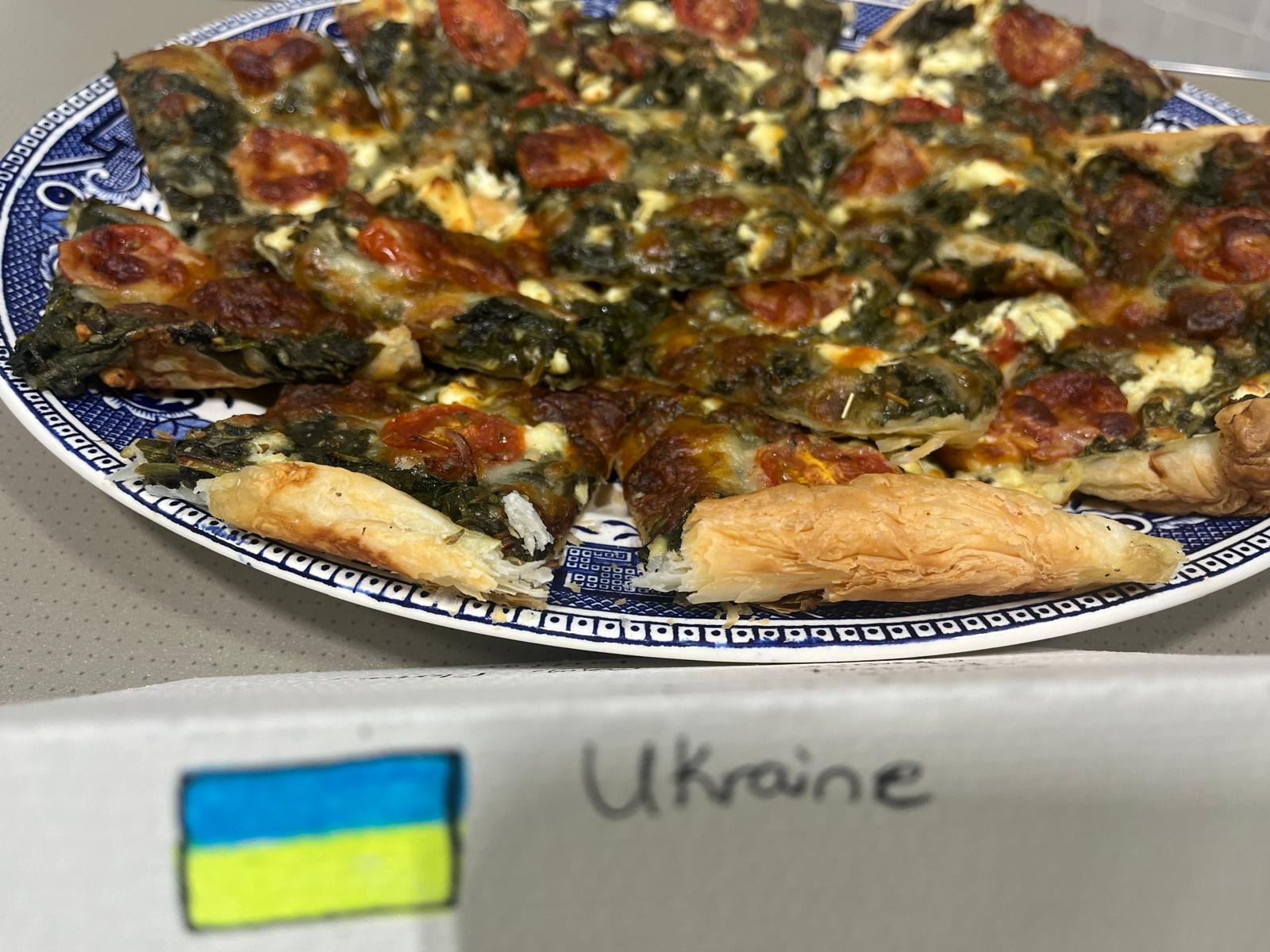
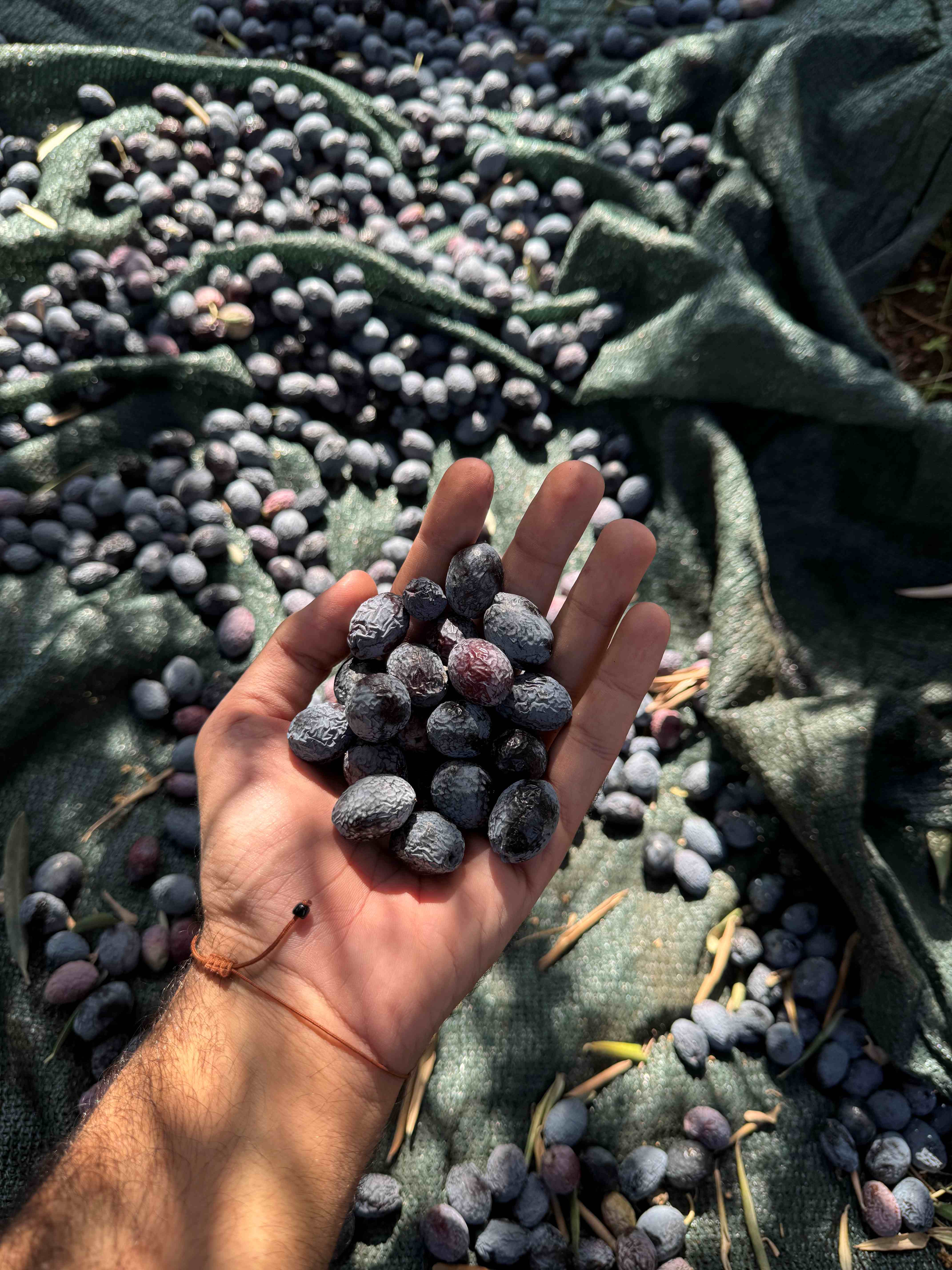
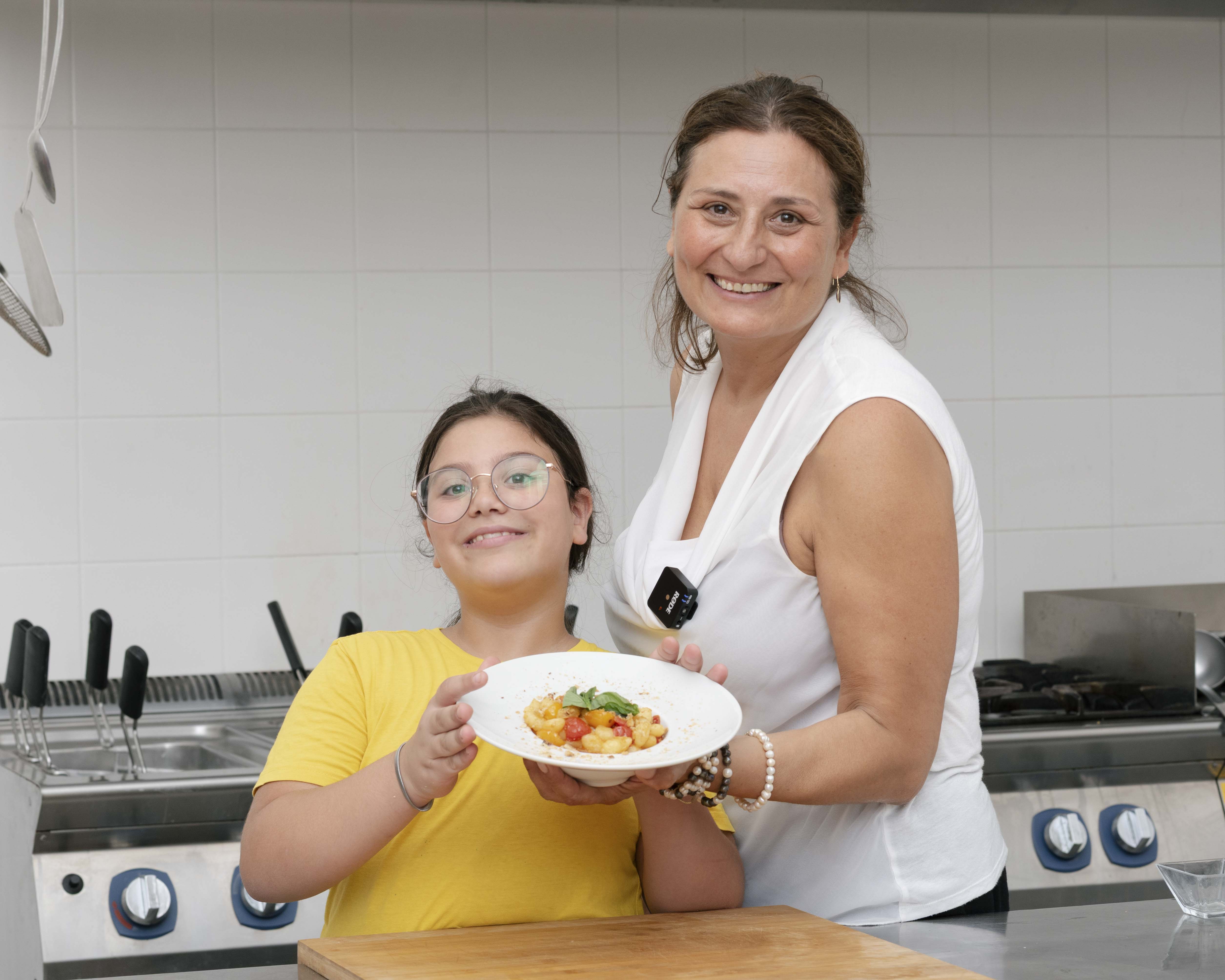
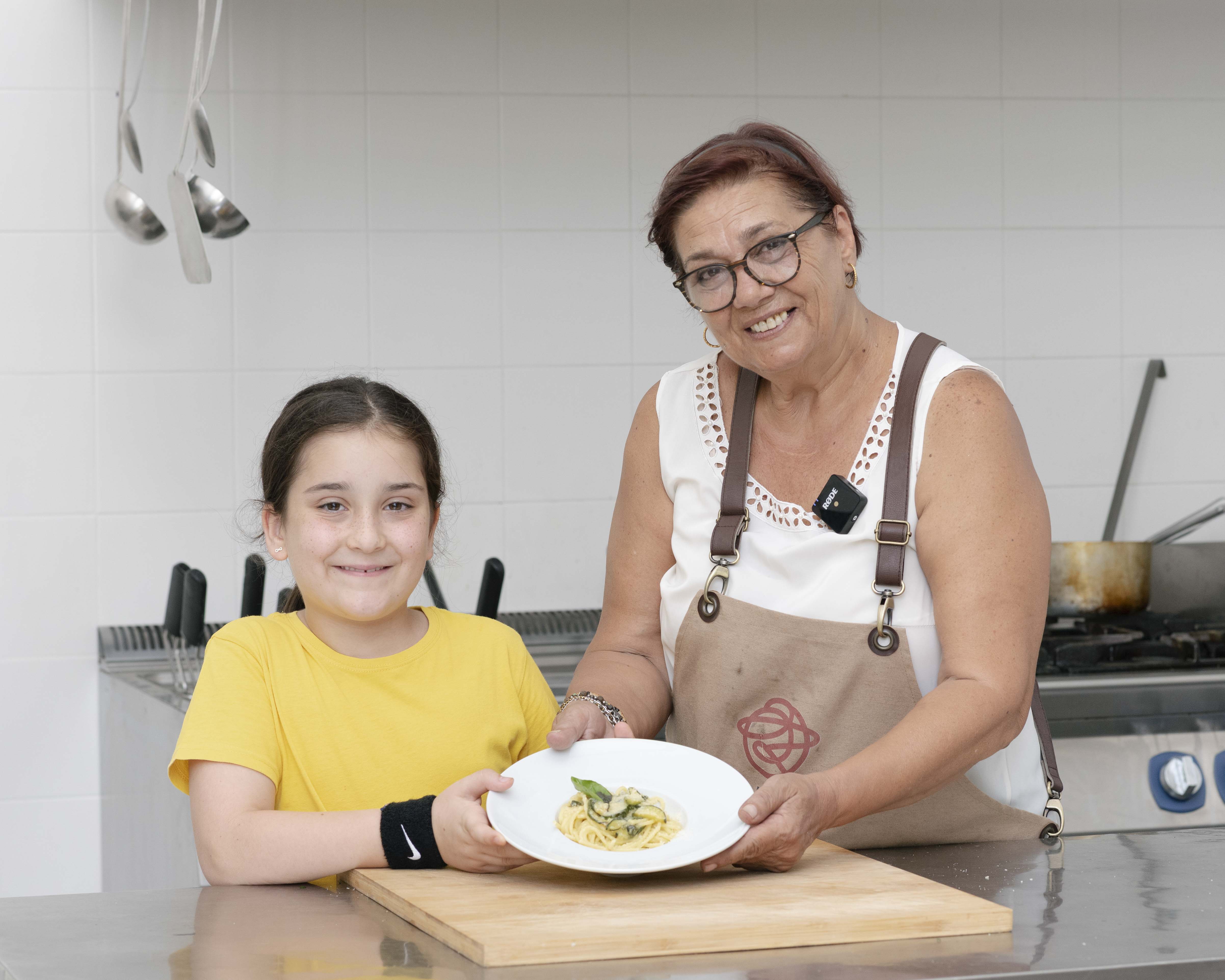
Then came the heart of the project. The elderly cared for the gardens daily, while the children visited weekly to learn farming techniques. Together, they decided what to plant and which traditional recipes to preserve. When the time came, they harvested what they grew and cooked together, transforming gardening into a shared experience about food and memory. The children, with their more developed digital skills, documented the process through video tutorials and interviews, recording oral histories, cooking demonstrations, and traditional recipes along the way.
The elderly, who had long felt their knowledge was no longer valued, found themselves in the role of teachers again. The children, in turn, discovered that the land and its traditions were not just history, but something alive and relevant.
[na1]Synthesis of the story – max 90 characters (avoid full sentence).
Lesson learnt
A good mix of hands-on activities, flexibility and living together
The cooking sessions were a pleasant surprise. The team knew they would work, but the impact was stronger than expected. They created genuine connections between generations, and those connections went far beyond the activity itself. People started talking about memories, about skills they thought had been forgotten, about things they rarely discussed.
Hands-on activities turned out to be far more inclusive than classroom-based learning. Children with learning difficulties, who usually struggled to keep up, participated fully and confidently in gardening and cooking. Everyone found their own way to contribute, and no one felt left out.
Cultural heritage ended up playing a bigger role than anyone had anticipated. Elderly participants felt valued again, something many had not experienced in a long time. Children developed a sense of pride in their local identity that even the teachers noticed. Food became a bridge between generations, and it happened naturally.
Coordination was not always smooth. At the beginning, the school and the municipality had trouble accessing the project's shared platform, partly because of technical restrictions and partly because they were unfamiliar with the system and with English. This slowed down the exchange of documents and administrative reporting. Terra Felix simplified access and provided step-by-step guidance to partner staff. They also switched to bilingual communication and adapted their tools to overcome these hurdles.
Flexibility was not optional. Health issues, school schedules, and practical constraints meant that the calendar had to be adjusted constantly. The team learned to stay flexible and always have a backup plan ready.
The community garden had existed for years, but it was rarely used. Once the project started, it became a gathering place, not just for gardening, but for talking, cooking, and sharing.
Impact
The project brought together two generations that would otherwise probably have remained separate. Around 50 participants (children and elderly residents) worked side by side in community gardens, cooking workshops, and digital storytelling sessions.
Children showed a clear improvement in their understanding of sustainable agriculture and healthy eating. Many reported greater interest in natural foods and a reduction in fast-food consumption. Teachers observed increased motivation and cooperation, particularly among students with learning difficulties, who thrived in hands-on settings.
The elderly participants experienced a reduction in loneliness and social isolation. They expressed a renewed sense of purpose through their roles as mentors and guardians of traditional knowledge. Intergenerational contact improved their emotional well-being and created new community bonds, which they hope will continue.
The community garden was revitalised in the process. What had been an underused public space became a lively and accessible environment. Daily activity increased, and this space became a symbol of local identity and social cohesion.
The project also had educational impact: the school began integrating garden-based learning more systematically into its curriculum. The municipality became more aware of the social value of intergenerational initiatives. And a replicable model was created for bringing generations together through agriculture and traditional cooking.
The ATTYNGO project was supported by the EIT Community New European Bauhaus — Enhance NEB programme.