Grand Parc – Bordeaux : post-war social housing renovation
Reinventing post-war social housing through occupied retrofit and architectural transformation
Credit: Philippe Ruault
Credit: Philippe Ruault
Credit: Philippe Ruault
Case Study
Context
Renewing ageing post-war housing through reuse instead of demolition
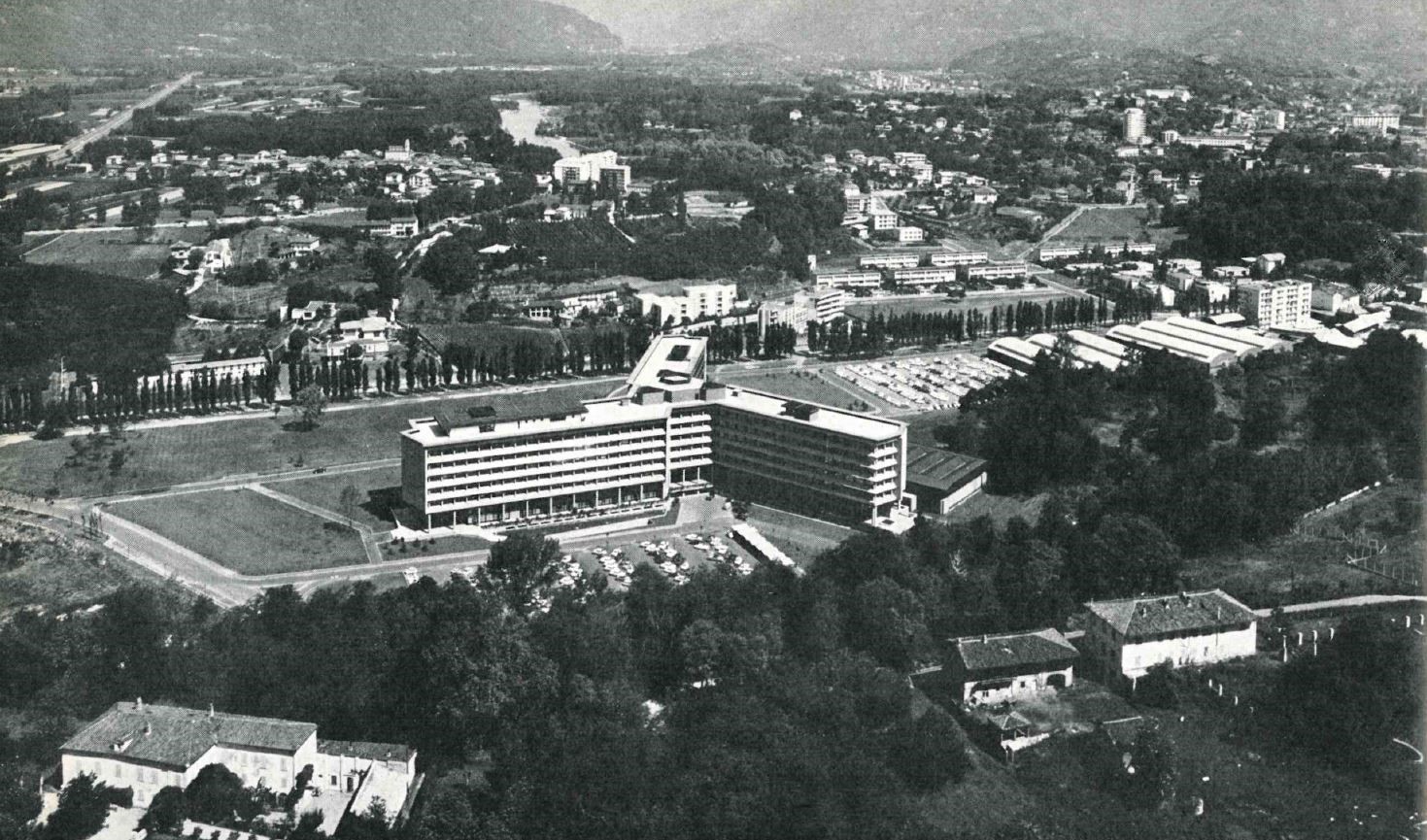
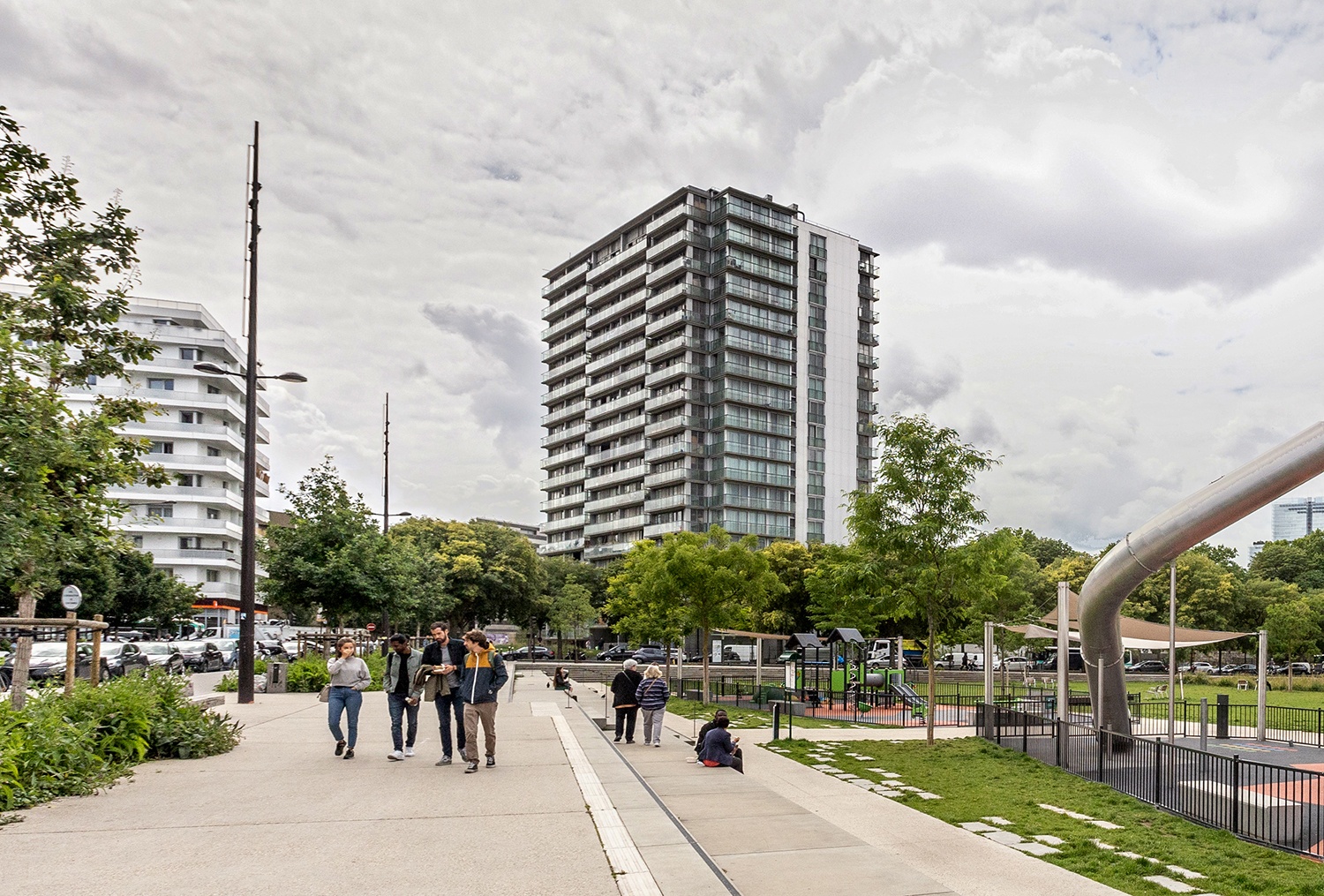
Covering an area of around 60 hectares, the Grand Parc is part of the ‘Bordeaux – Port de la Lune’ site, which has been inscribed on the UNESCO World Heritage List since 2007 and has held the ‘Remarkable Contemporary Architecture’ designation since 2015. This neighbourhood, home to nearly 11,000 residents and comprising more than 4,000 homes, is characterised by a significant number of amenities and a central green space of nearly eleven hectares.
Grand Parc - Bordeaux addresses one of the most widespread challenges facing European cities: the renewal of ageing post-war social housing. Much of this housing stock suffers from poor thermal performance, limited daylight, inadequate outdoor space and declining public perception.
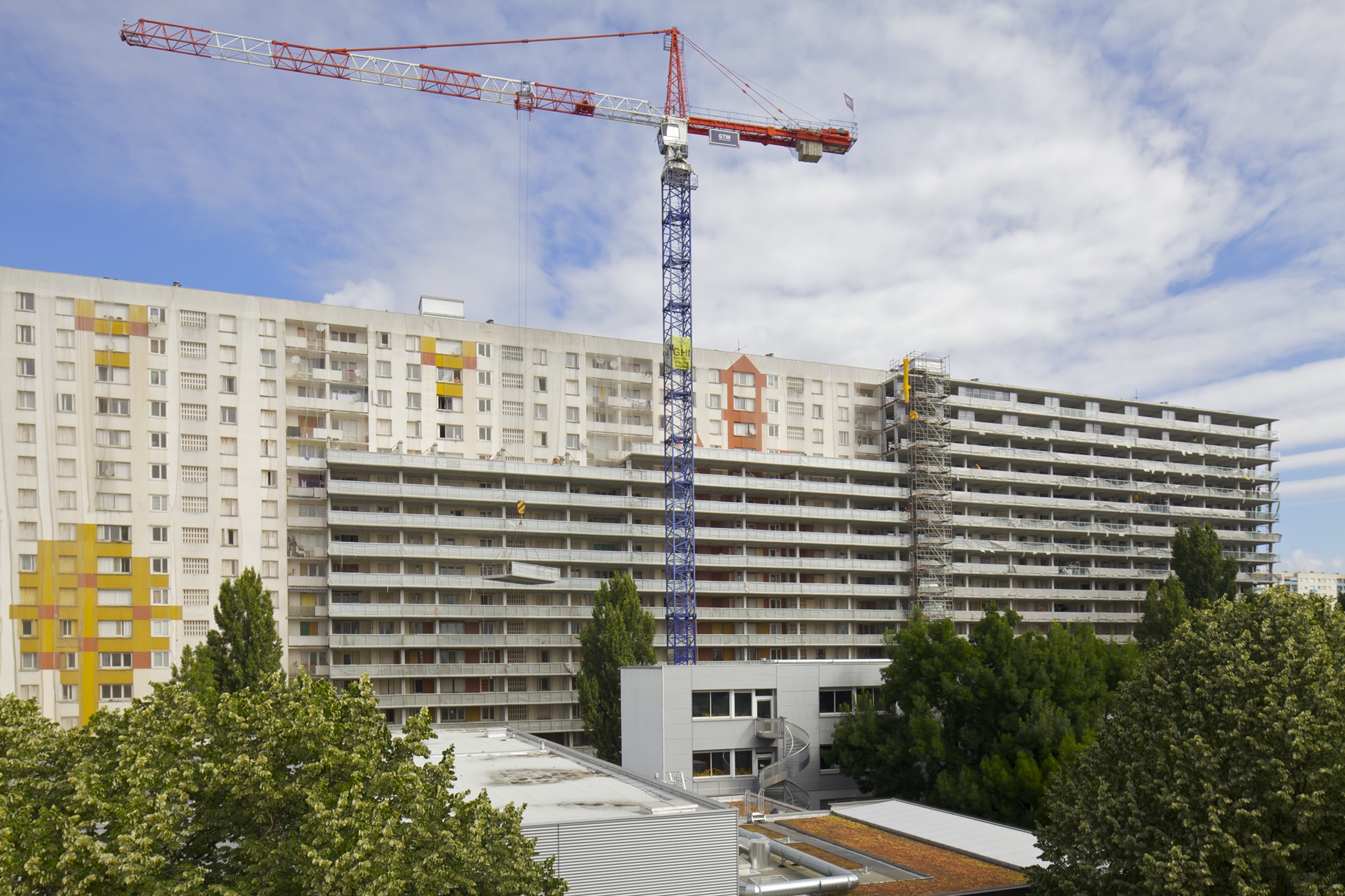
The project (first phase of a wider renovation programme) included three occupied social housing blocks (530 dwellings), built in the early 60s, which required substantial upgrading while continuing to provide affordable homes for residents. The challenge extended beyond improving building performance. The ambition was to demonstrate that housing renewal could simultaneously improve environmental performance, affordability, architectural quality and everyday living conditions without destroying existing communities.
Rather than treating ageing housing as obsolete infrastructure, Grand Parc - Bordeaux redefined it as an opportunity for transformation. The project illustrates how existing housing can become an important resource within Europe's transition towards more sustainable, affordable and resilient cities.
Story
Transforming occupied housing through extension, comfort and environmental performance
The Grand Parc - Bordeaux project transformed three large occupied social housing buildings through an ambitious programme of architectural retrofit led by Lacaton & Vassal together with Frédéric Druot and Christophe Hutin.
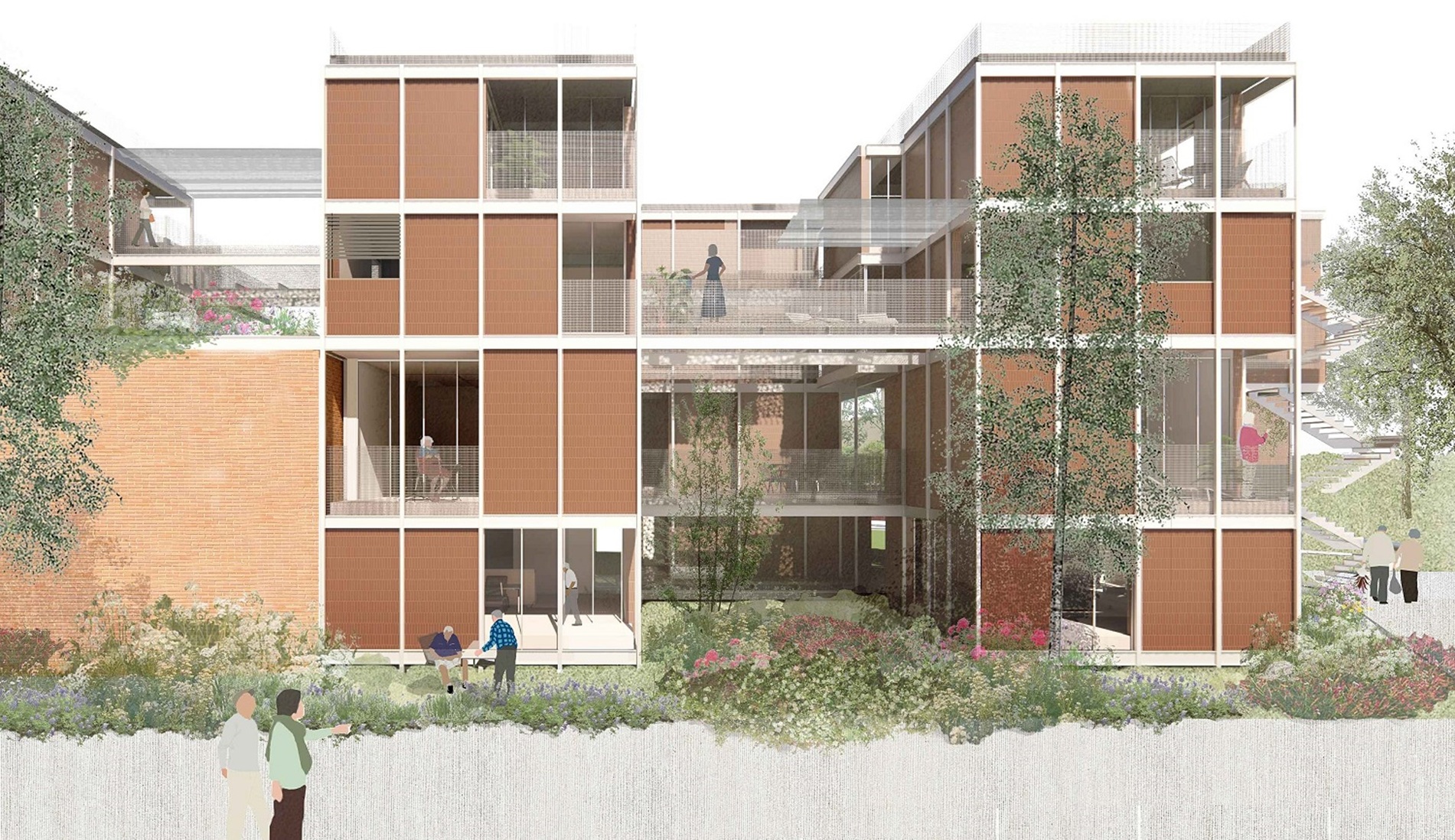
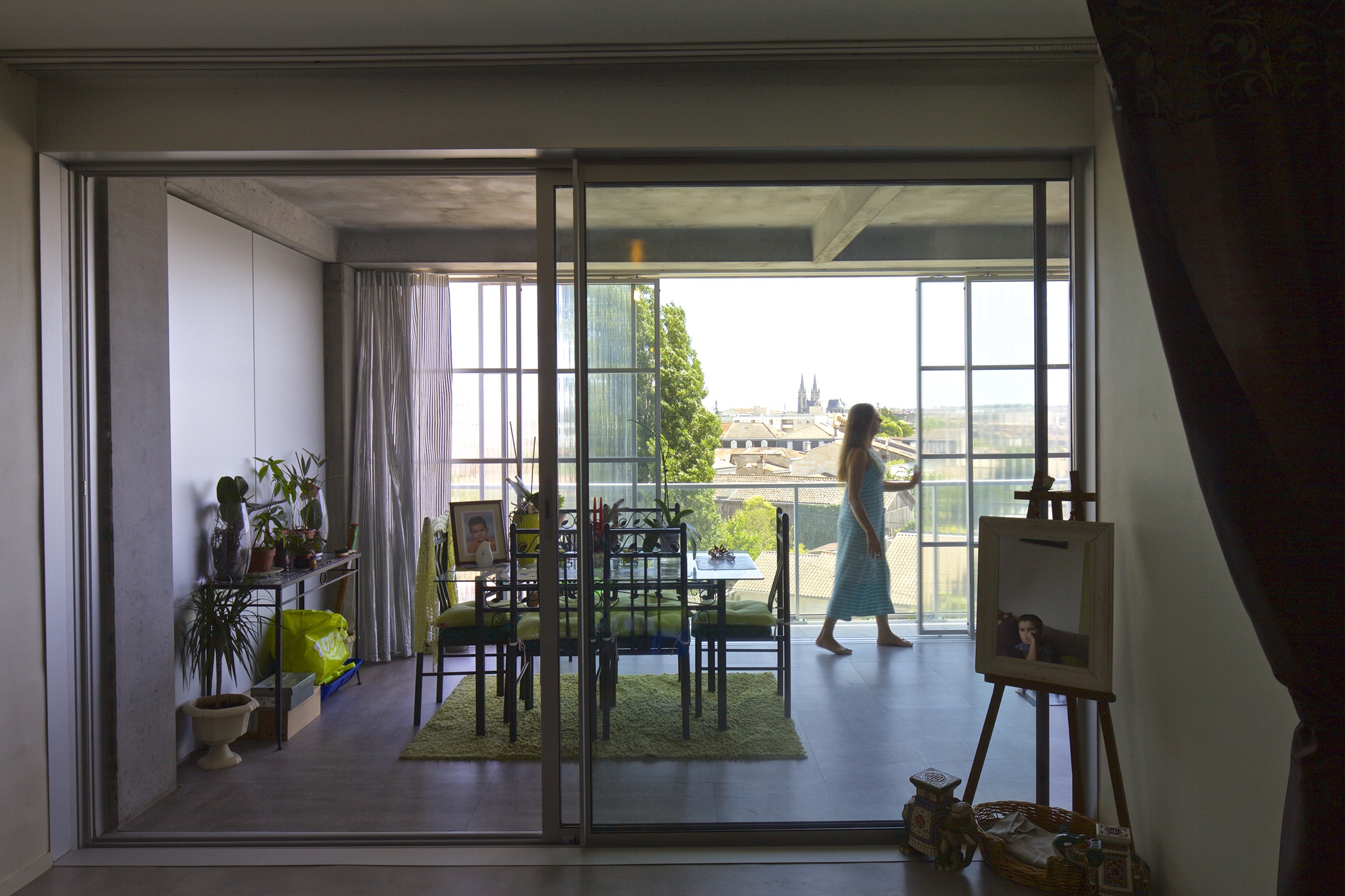
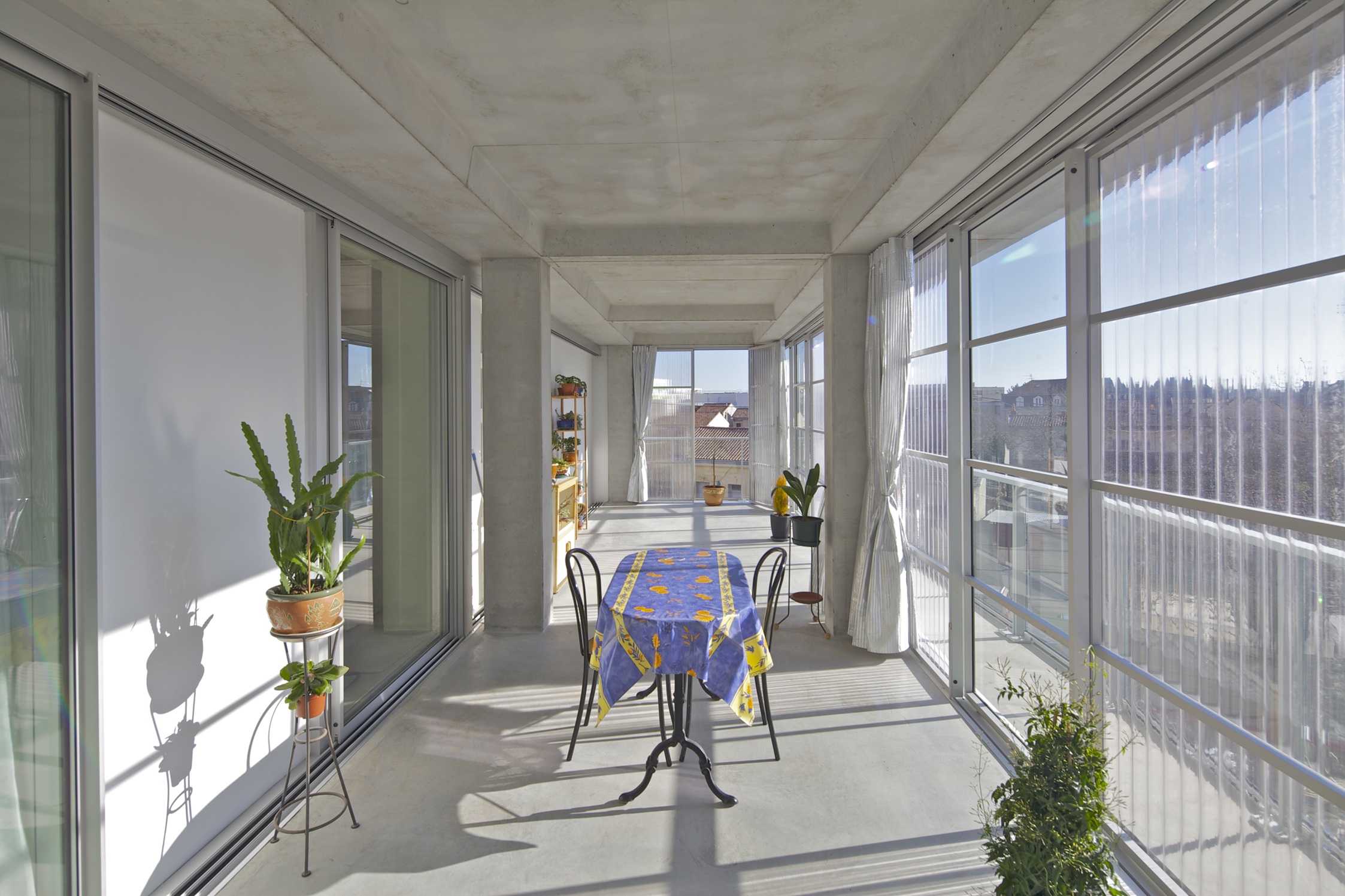
Instead of demolishing the buildings, the project retained their structural frame while extending every apartment through generous winter gardens and balconies. These new spaces significantly increased usable floor area while providing passive environmental buffering that improved energy performance throughout the year.
Residents remained in their homes during construction. This decision reduced disruption, avoided expensive temporary relocation and preserved neighbourhood relationships. Construction was carefully phased so improvements could be delivered while maintaining normal daily life.
The design deliberately focused on quality of living rather than solely on technical energy upgrades. Apartments received substantially more daylight, improved ventilation, greater flexibility and stronger visual connections with surrounding green spaces. Outdoor space became an extension of everyday domestic life rather than an optional luxury.
The project demonstrated that architectural quality and affordability are complementary objectives rather than competing priorities. By investing in adaptation instead of replacement, Grand Parc - Bordeaux achieved significant environmental improvements while preserving the social value already embedded within the neighbourhood.
Today the project is recognised internationally as one of Europe's leading examples of large-scale occupied housing retrofit and has influenced housing policy, architectural practice and regeneration strategies across many countries.
Lesson learnt
Quality of life should be the primary measure of successful retrofit
Grand Parc - Bordeaux demonstrates that successful housing renewal depends upon improving the everyday experience of residents rather than simply achieving technical performance targets.
Several transferable lessons emerge from the project:
- Existing buildings frequently contain significant structural value and should be carefully evaluated before demolition is considered.
- Additional living space can produce greater improvements in wellbeing than many conventional refurbishment measures.
- Winter gardens, balconies and passive environmental buffers provide multiple benefits by improving thermal comfort, daylight, flexibility and resident satisfaction simultaneously.
- Residents should remain in place whenever possible. Avoiding displacement preserves social capital while reducing both financial and environmental costs.
- Retrofit programmes should include surrounding public spaces as part of neighbourhood improvement rather than treating buildings in isolation.
- Success should be evaluated through resident comfort, liveability, health and wellbeing alongside reductions in energy consumption.
The project also demonstrates that good architecture has an important role in affordable housing. Design quality should not be viewed as an optional enhancement but as a fundamental component of resilient, inclusive housing policy.
Impact
Grand Parc - Bordeaux generated significant environmental, social and economic impacts.
Environmentally, retaining the existing structures avoided substantial embodied carbon emissions while improving operational energy performance through passive environmental design. The project extended the useful life of three major housing blocks and reduced construction waste associated with demolition.
Socially, residents gained larger homes, better daylight, improved thermal comfort, enhanced outdoor space and greater flexibility without losing their homes during construction. Community continuity was preserved and overall perceptions of the neighbourhood improved substantially.
Economically, the project demonstrated that comprehensive retrofit can deliver excellent value compared with demolition and rebuilding. Investment focused on extending the life of existing assets while improving affordability through lower operating costs and reduced displacement.
Its wider influence has been considerable. Grand Parc - Bordeaux has become an international reference for housing providers, architects and policymakers seeking practical models for combining affordability, sustainability and architectural quality. The project continues to shape debates around housing renewal across Europe by proving that transformation through adaptation can produce outcomes equal to—or better than—complete redevelopment.
The Grand Parc Bordeaux project was funded through French public housing investment and urban renewal programmes.