Interaction schemes for artists and local communities
20 Art-Technology-Society Interactions addressing eco-social challenges
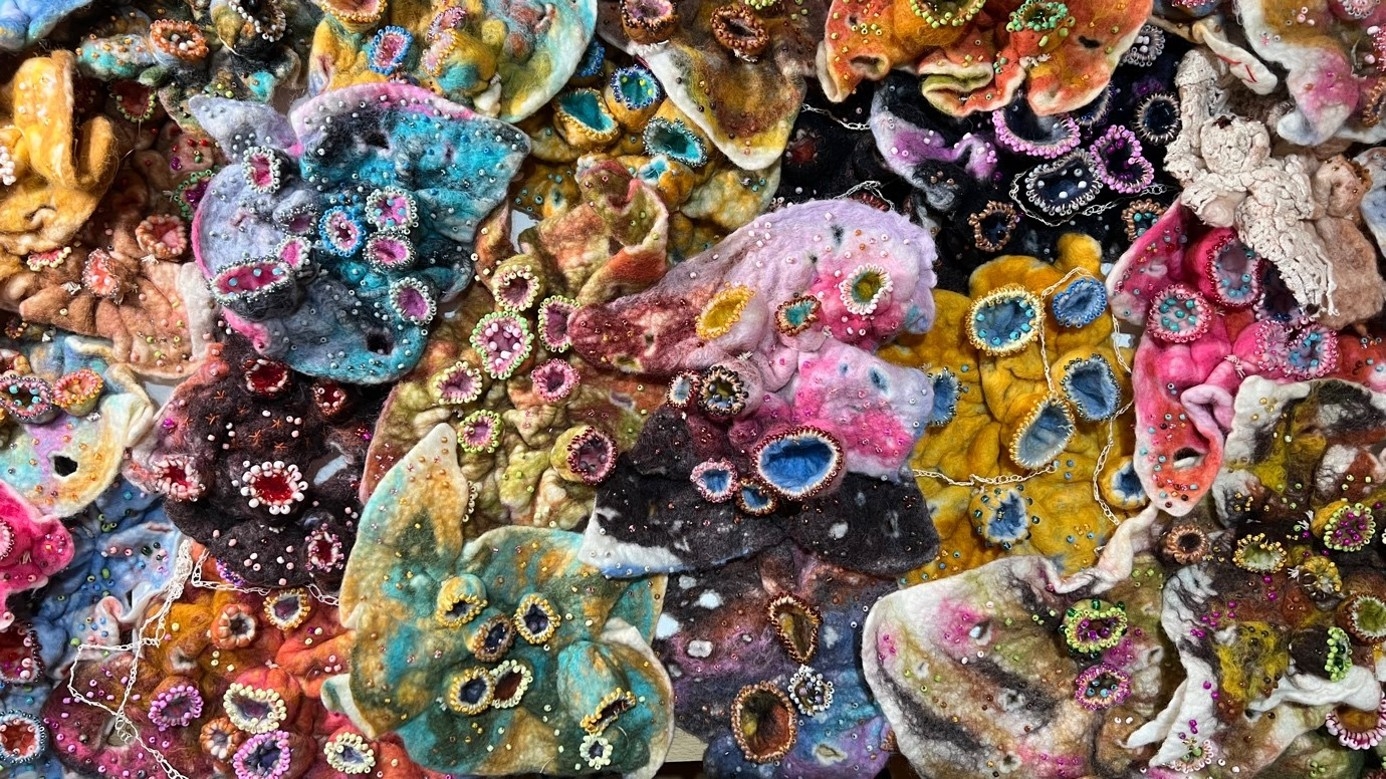
Credit: Anna Dumitriu - Greening the Lab
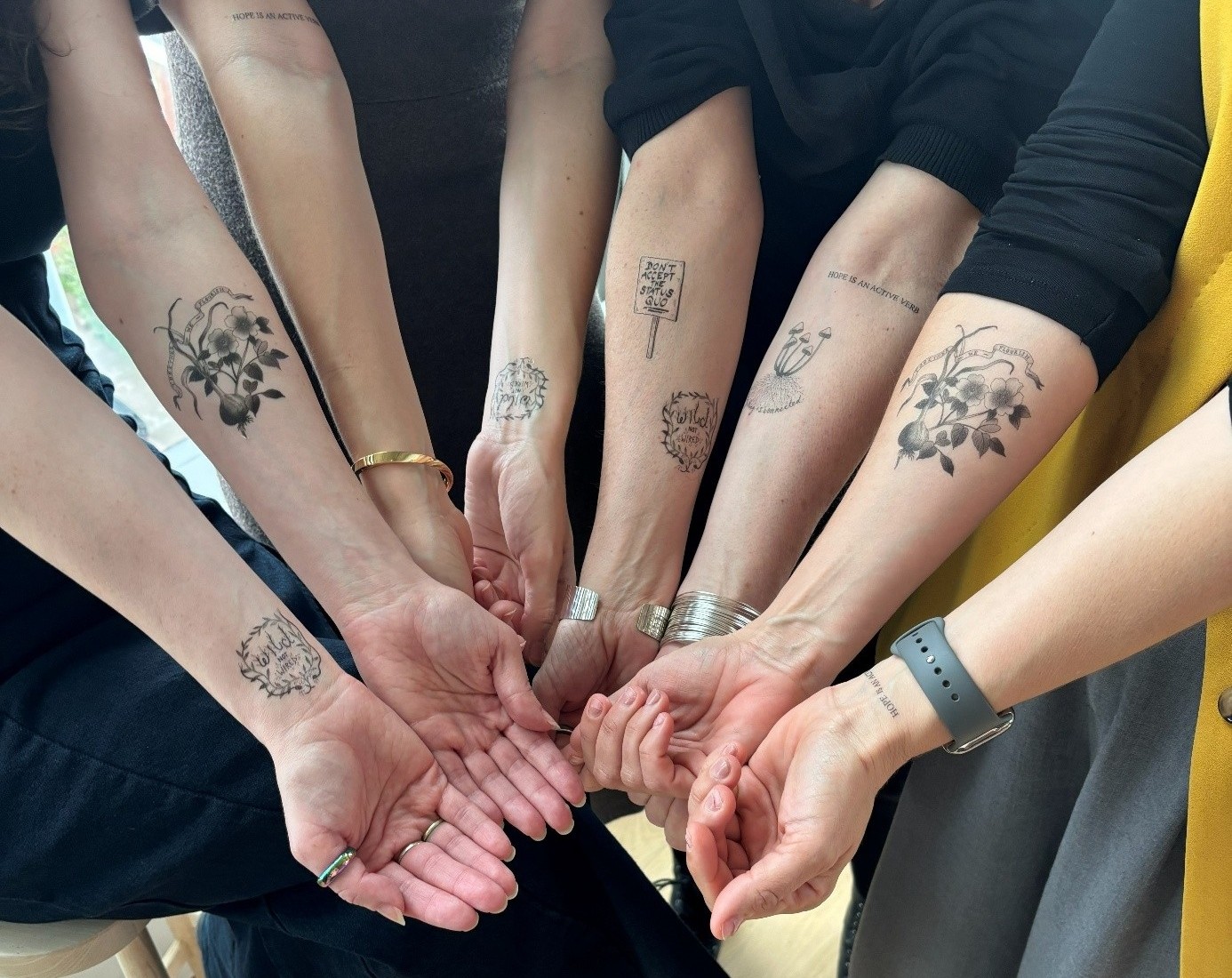
Credit: YARA+DAVINA: Mobile Tattoo parlour
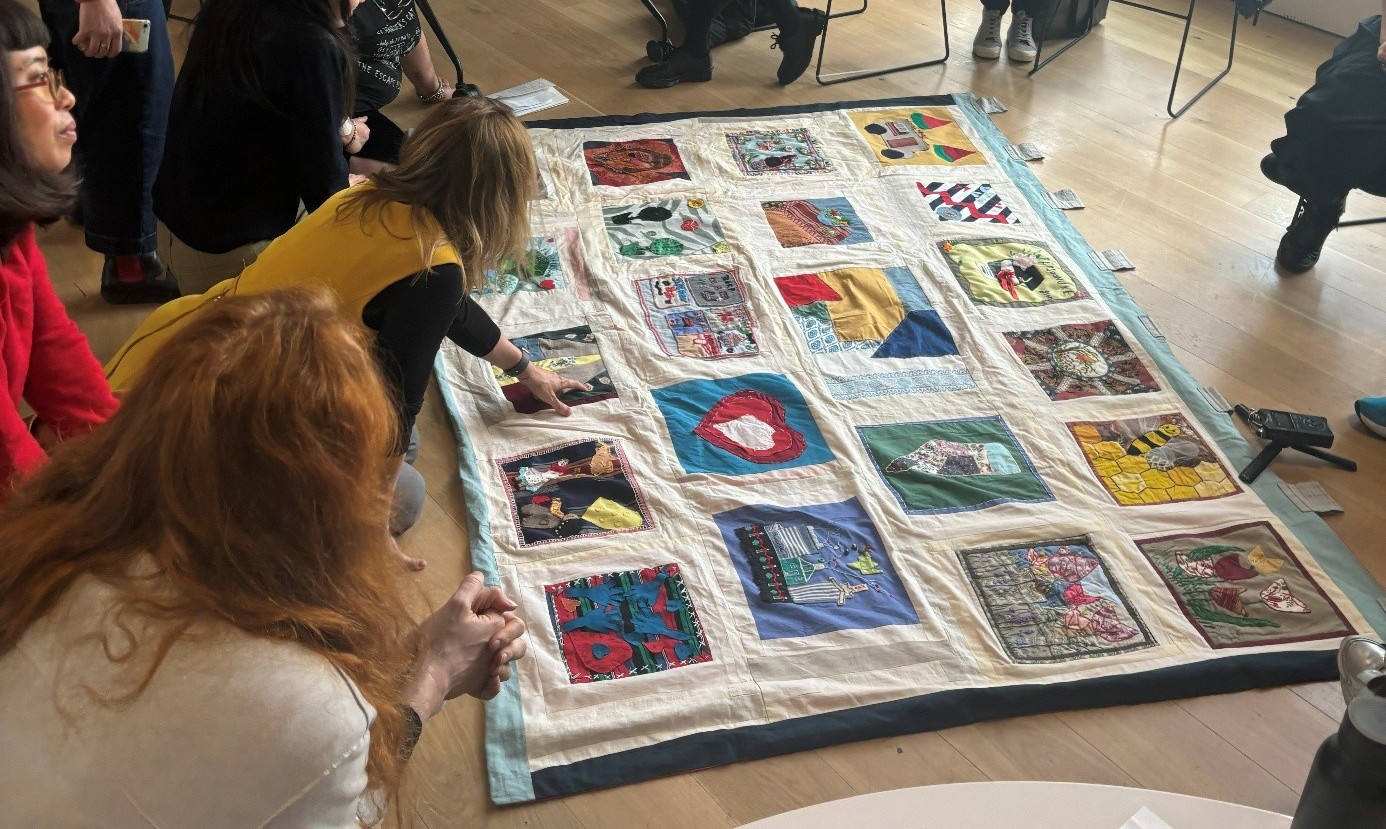
Credit: Nadja van der Weide and Hanna Steenbergen-Cockerton: Fabric of Us
Resource
Context
Encouraging Citizen Engagement Using Artist-Led Innovation
Can art help tackle climate change and strengthen communities?
This question lies at the heart of VOICE, an EU-funded project that explored the power of eco-social art to address environmental and social challenges together. By bringing artists, citizens, researchers, public authorities and local organisations into a shared creative process, the project encouraged communities to imagine and build more resilient futures.
Across Europe, 20 artist-led initiatives demonstrated how creativity could foster dialogue, strengthen participation and inspire new ways of caring for both people and the environment.
From those experiences, VOICE draw a set of lessons learnt that was shared in the form of a catalogue of Art-Technology-Society Interactions (ATSI). It showcases 20 real-life artist-led initiatives that brought together artists, citizen and local organisations to address challenges related to the environment, the community, and their resilience.
This resource aims to be inspirational for people and organisations seeking to better understand the role that artists can play in addressing eco-sociological issues. It also targets artists and collectives that wish to work with community-based interventions.
The resource in a nutshell
20 successful examples of Art Technology Science Interactions
The 20 Art-Technology-Society Interactions described and analysed in this report address socio-ecological challenges that are grouped in five categories:
- Water & Flow: Combating pollution, industrial pressure on waterways, and the "legal invisibility" of rivers while protecting biodiversity, such as the Atlantic salmon.
- Soil & Resilience: Tackling heavy metal and microplastic contamination while healing the emotional disconnect between urban communities and the earth.
- More-than-Human Agency: Giving voice to non-human species, like bees and trees, to combat the "extinction of experience" and foster ecological empathy.
- Sustainable Production: Challenging waste-heavy industries, specifically fashion and biomedical science, by promoting circular, "soil-to-soil" systems.
- Social Cohesion: Using artistic co-creation to fight gentrification, address climate anxiety, and design inclusive spaces for neurodiverse or marginalized group
These projects engage with a large range of local communities, often sidelined in traditional innovation: from indigenous Sámi fishers in Scandinavia, to elderly women farmers in rural Germany, and migrant and neurodiverse groups in Spain and the UK. Projects also engage urban residents in major hubs like London and Amsterdam, and specialized cohorts, like beekeepers and youth leaders to medical professionals.
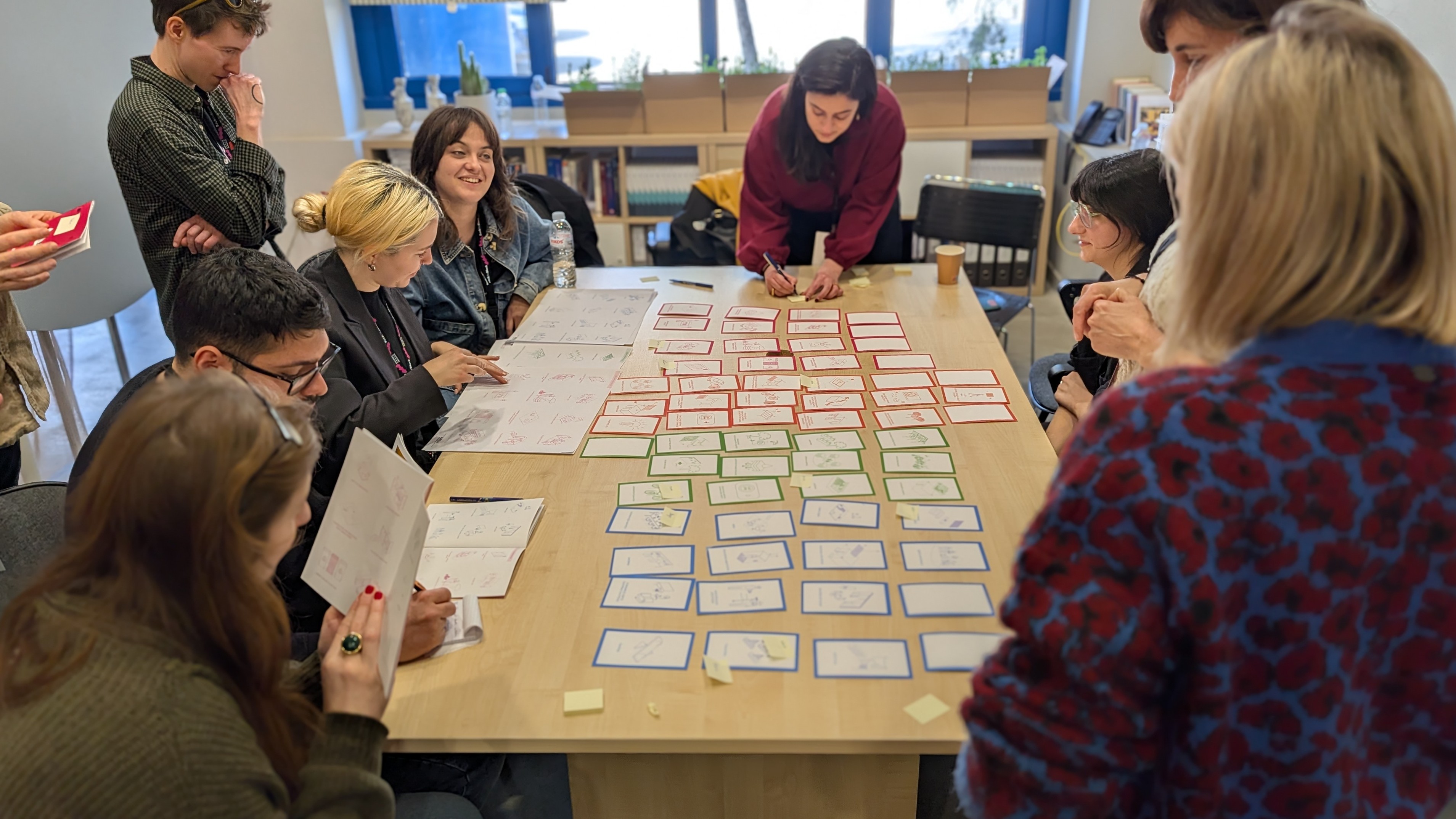
In these 20 initiatives, artists, mentors, host organisations and local communities benefited from a collaborative learning environment where knowledge was built through experimentation, co-creation and reflective practice.
The process strengthened artists' ability to lead complex collaborations while developing new skills and highlighting the importance of adaptability, ethical engagement, trust and mentorship in socially engaged art.
This project was funded by the European Union under the Horizon Europe Framework Programme.