Retrofitting 20th century buildings in a UNESCO site in Italy
When energy-efficiency meets architectural heritage
Credit: https://prizes.new-european-bauhaus.europa.eu/past-applications/retrofitting-unesco-site-ivrea
Credit: https://prizes.new-european-bauhaus.europa.eu/past-applications/retrofitting-unesco-site-ivrea
Credit: https://prizes.new-european-bauhaus.europa.eu/past-applications/retrofitting-unesco-site-ivrea
Case Study
Context
Industrial and modern heritage was generally built prioritizing the design over the energy efficiency.
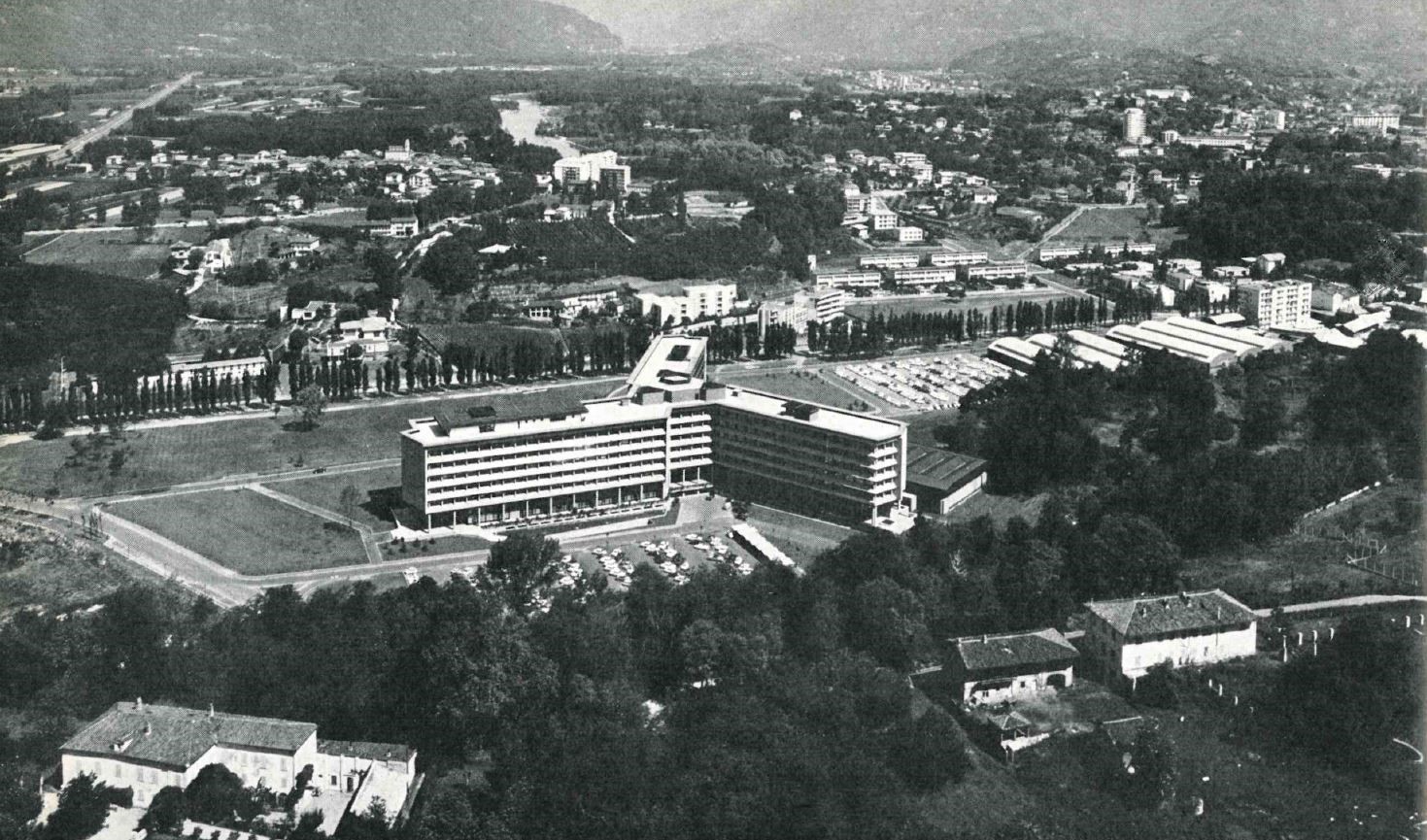
Ivrea is an industrial area in the Piedmont region in Italy, which architectural goal was to spotlight the relationship between industrial production and architecture. This city was designed mostly between the 1930s and the 1960s and is part of the 2% of the UNESCO asset belonging to the 20th century.
Existing buildings count for 40% of European Union final energy consumption, and 36% of CO2 emissions. Modern buildings constructed in the second half of the 20th century are a main target to improve these statistics, as they were generally built with low energy-efficient materials, if compared to current standards. Nowadays, those buildings suffer from a lack of maintenance and obsolescence.
Major energy savings could be reached by implement retrofit solutions and energy technologies, but with a significant impact on the preservation of the original architectural features. That’s why the renovation of modern heritage is challenging.
Moreover, citizen opinions about the architecture of Ivrea are diverse: some think that this is a symbol of a golden age and some think that this is a foreign design in a new urban context.
Story
Defining a retrofitting methodology to improve energy efficiency while preserving valuable architecture.
Looking at the study of the safeguard of the Cité du Lignon in Geneva, the Ivrea project focuses on three buildings of its UNESCO site, which are the Mattoni Rossi factory, the ICO complex, and the first Olivetti head office. The main challenge is to preserve the original architectural features of these buildings while reducing their environmental impact linked to their poor energy efficiency.
In the process, a methodology emerges from five axis:
- Architectural Inquiry;
- Technological analysis;
- Thermal Diagnosis;
- Design proposition;
- Matrix comparison.
It began by questioning the very concept of sustainability. While it can mean preserving the existing building components, it can also involve transforming an energy system into a renewable one or upgrading the current system to improve its efficiency. Extending the lifespan of a building is, in itself, a sustainable strategy: by preserving what already exists, it avoids the embodied energy associated with producing, transporting, maintaining and disposing of new building components. In this project, preserving the building’s architectural character was a key priority. Rather than opting for drastic interventions, the team restored the external façades while redesigning the interior spaces to meet contemporary needs.
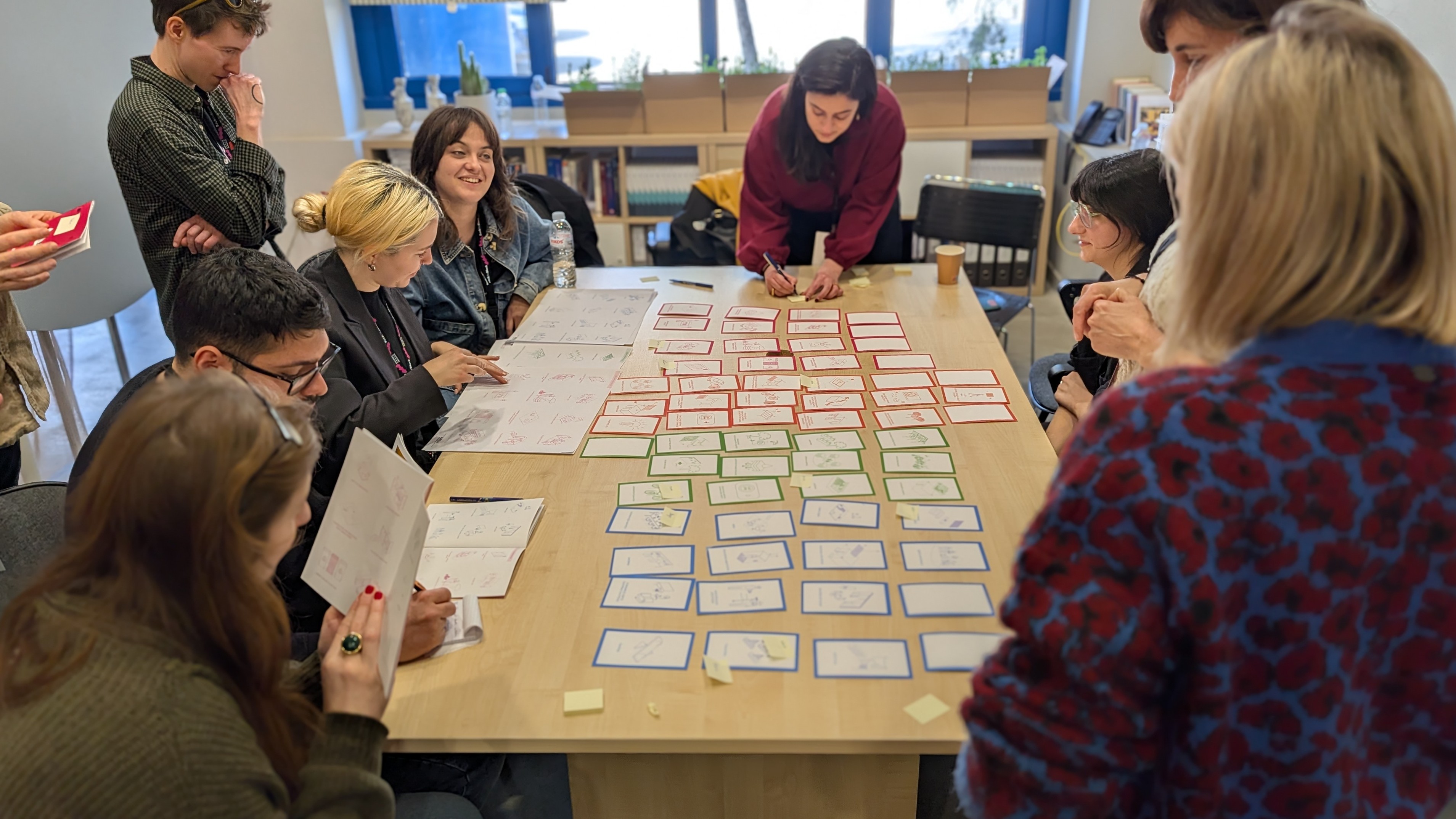
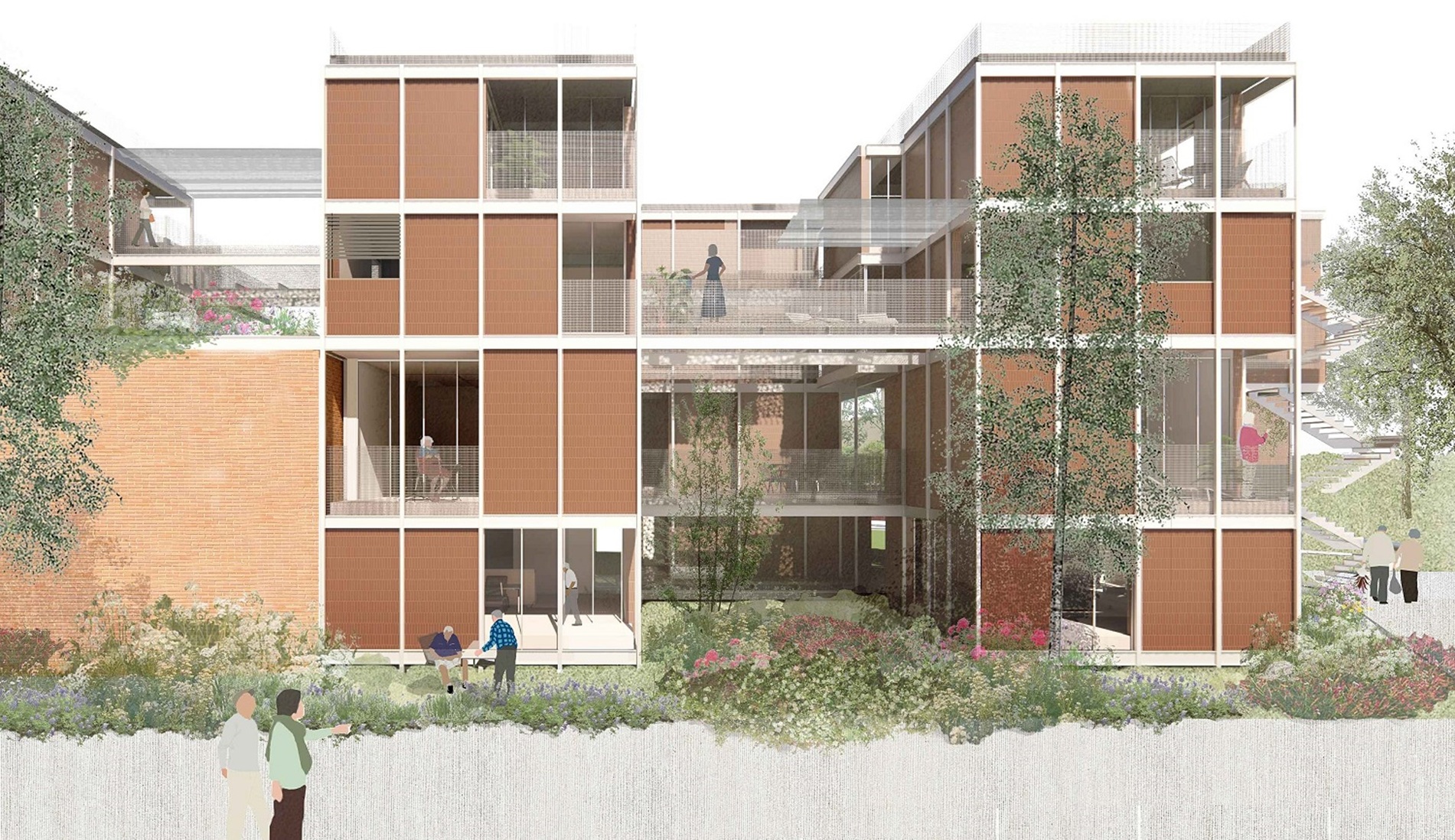
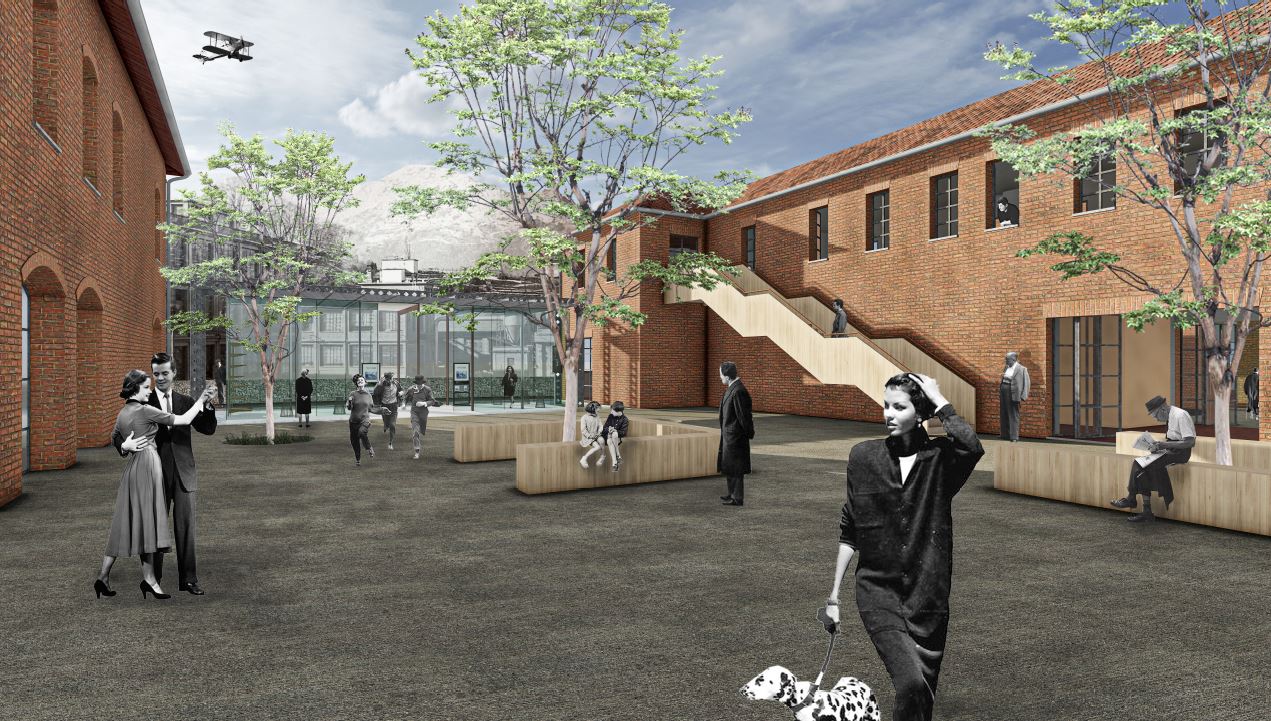
Citizens were involved throughout the entire process. To better understand local expectations, a survey was conducted in Ivrea, gathering around one hundred responses. The results became the starting point for discussions between the owners and the community, ultimately shaping the building’s new programme. The redesigned interior now combines public amenities—including bars, exhibition spaces and playgrounds—with offices and coworking areas. New circulation routes were also introduced to ensure the site is inclusive and accessible to all users.
Lesson learnt
Sustainability, energy-efficiency and preservation of buildings from Modern Heritage can coexist.
A major challenge was working within Italy’s first living UNESCO World Heritage site of the contemporary era. As no previous documentation or comparable experiences were available for this type of context, the team had to break new ground. Drawing on the UNESCO network, however, proved valuable in accessing expertise and lessons from similar heritage projects.
Bringing together a wide range of stakeholders was equally essential—and equally challenging. Different interests and perspectives had to be reconciled throughout the process. Yet by keeping the shared objective in focus—preserving architectural heritage while reducing environmental impact—it became easier to foster collaboration. This common purpose helped build a shared vision for the future of urban development.
Impact
The renovation approach is expected to reduce energy demand by between 55% and 65%, leading to corresponding reductions in CO₂ emissions. By reusing existing materials and preventing building abandonment, it also helped preserve valuable resources and promote a more circular approach to construction.
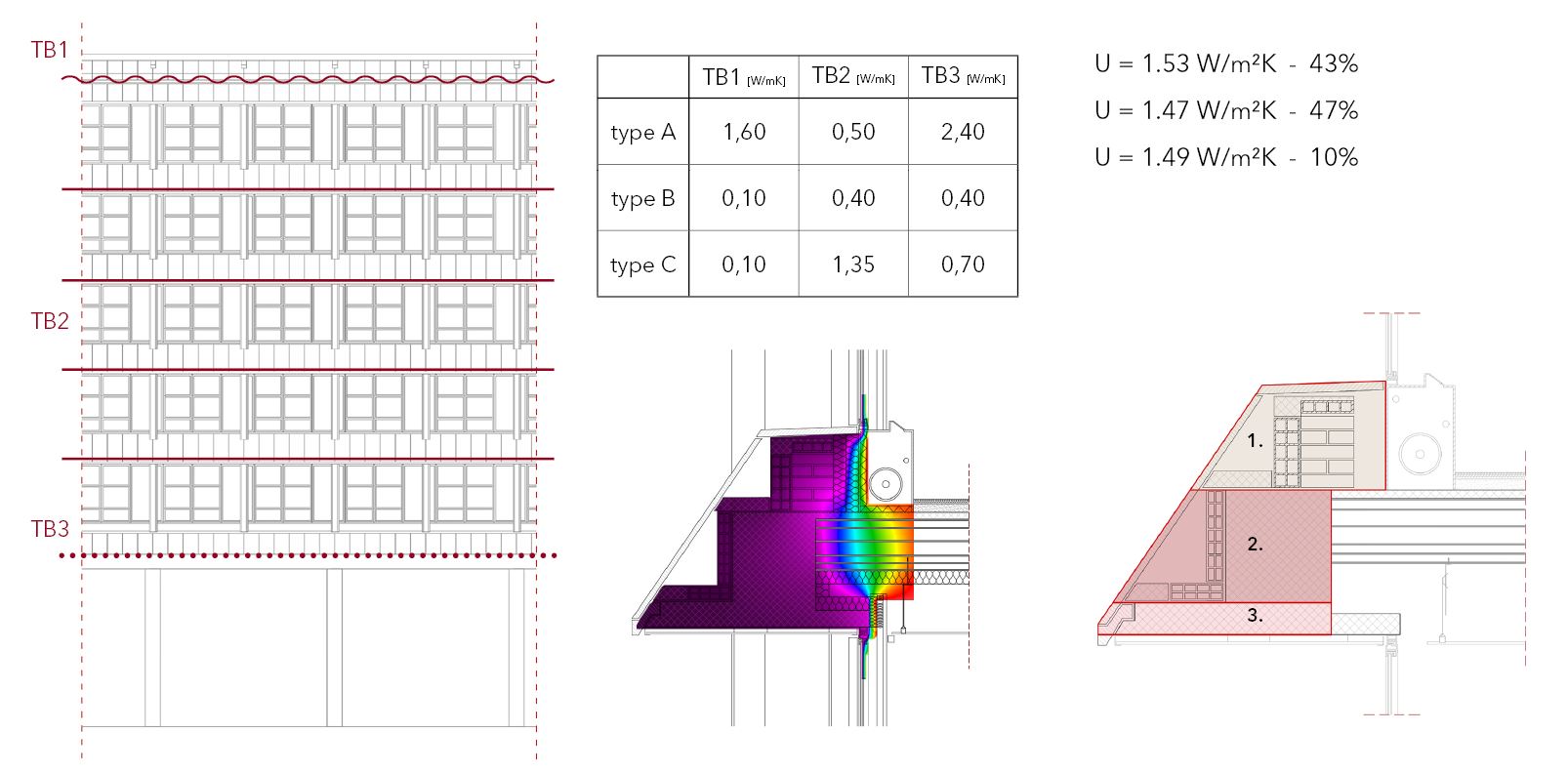
A key focus of the intervention was the building’s façades. Their redesign made it possible to improve both internal and external insulation while eliminating or limiting thermal bridges, resulting in 33% energy savings. Although the glazing could be replaced, the original aluminium window frames had to be retained, preserving the original materiality but limiting further improvements in energy performance. Despite this constraint, the project successfully achieved high energy reduction targets.
Beyond its environmental impact, the project strengthened public awareness of heritage conservation and modern architecture. It also increased the visibility of the Ivrea site, supporting cultural tourism and contributing to the local economy. The active involvement of local stakeholders throughout the process fostered lasting partnerships built on trust.
The project's impact extends beyond Ivrea. Through the UNESCO network and a strong partnership of organisations, other UNESCO sites can benefit from the experience gained. Numerous events brought together experts from across Europe, enabling knowledge exchange and collaboration. As a result, the methodology can be transferred to other UNESCO sites and further developed by researchers for future heritage renovation projects.
This project was awarded the NEB Prize 2025 in the category: Strand B /Rising Star.