Futures literacy: a toolbox
Empowering the youth to imagine their future

Credit: GreenCardShow from Pixabay
Credit: The Future is Now
Resource
Context
Futures Literacy: being aware of how imagining our future impacts our present
The concept of Futures Literacy comes from two observations. One: we all anticipate, but most of us don’t think about how we do it. Two: the future exists only in our imagination, so we can explore it in different ways.
Futures Literacy can therefore be defined as a set of skills that make us self-conscious about (1) how the future plays an active role in our present lives, and (2) how we do have some agency on that future.
Such skills are therefore critical for the youth to better understand the real-world effects of imagining futures; and how to articulate the differences between various uses of the future, depending on context and purpose.
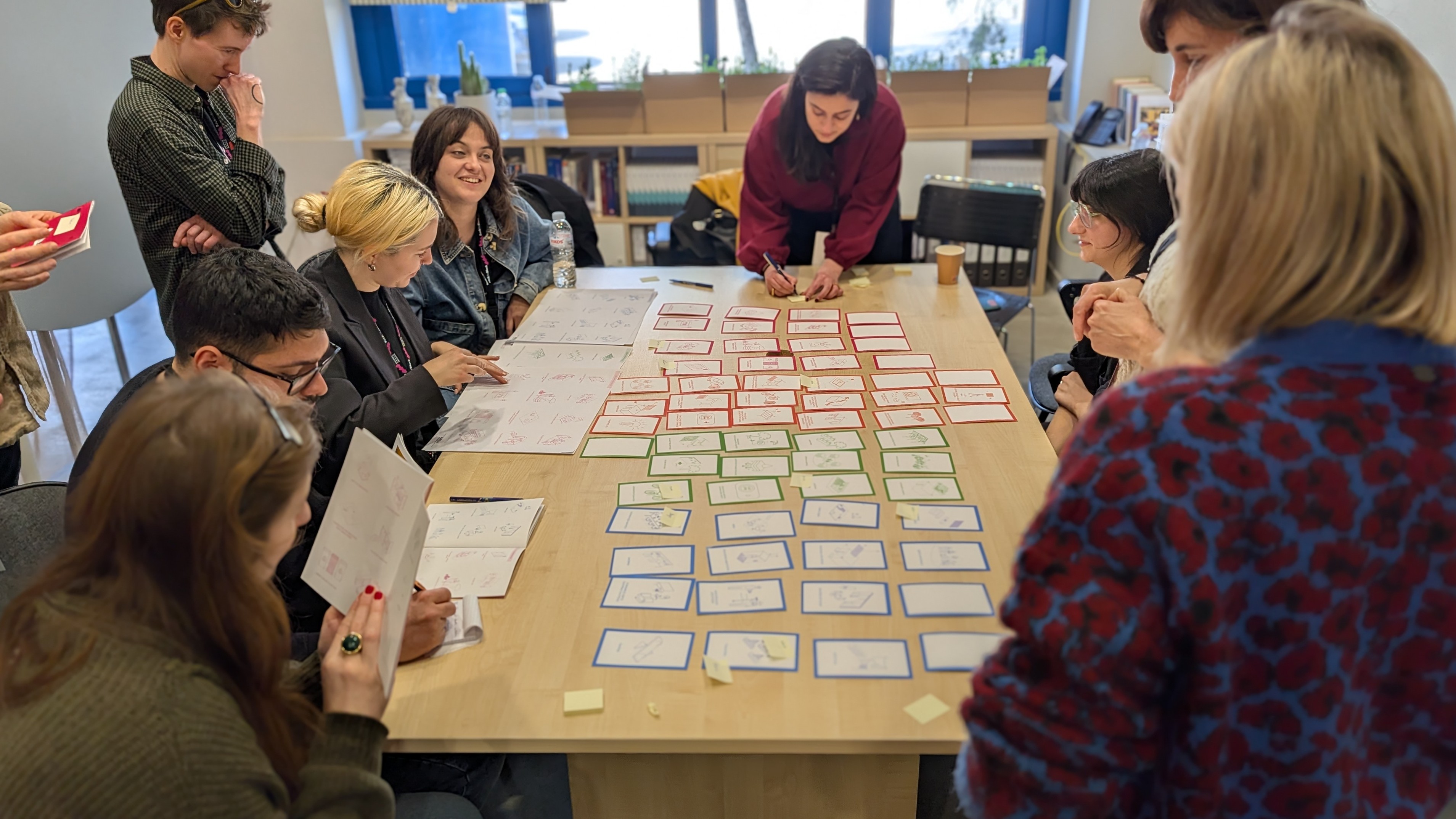
The project “The Future is Now” tested various futures literacy activities during a series of training sessions in Bratislava, Brussels and Paris. From this experience, they developed a toolkit for educators and youth workers to conduct activities involving accessing, creating, and discussing futures.
The resource in a nutshell
Progressive educational modules with practical examples
The toolkit provides a set of modules that can be used for courses, workshops, or any other group activity dealing with futures. It is primarily designed with young participants but can be used for other target groups.
The modules are structured in four progressive levels. For each stage, several games, templates and facilitation techniques are proposed.
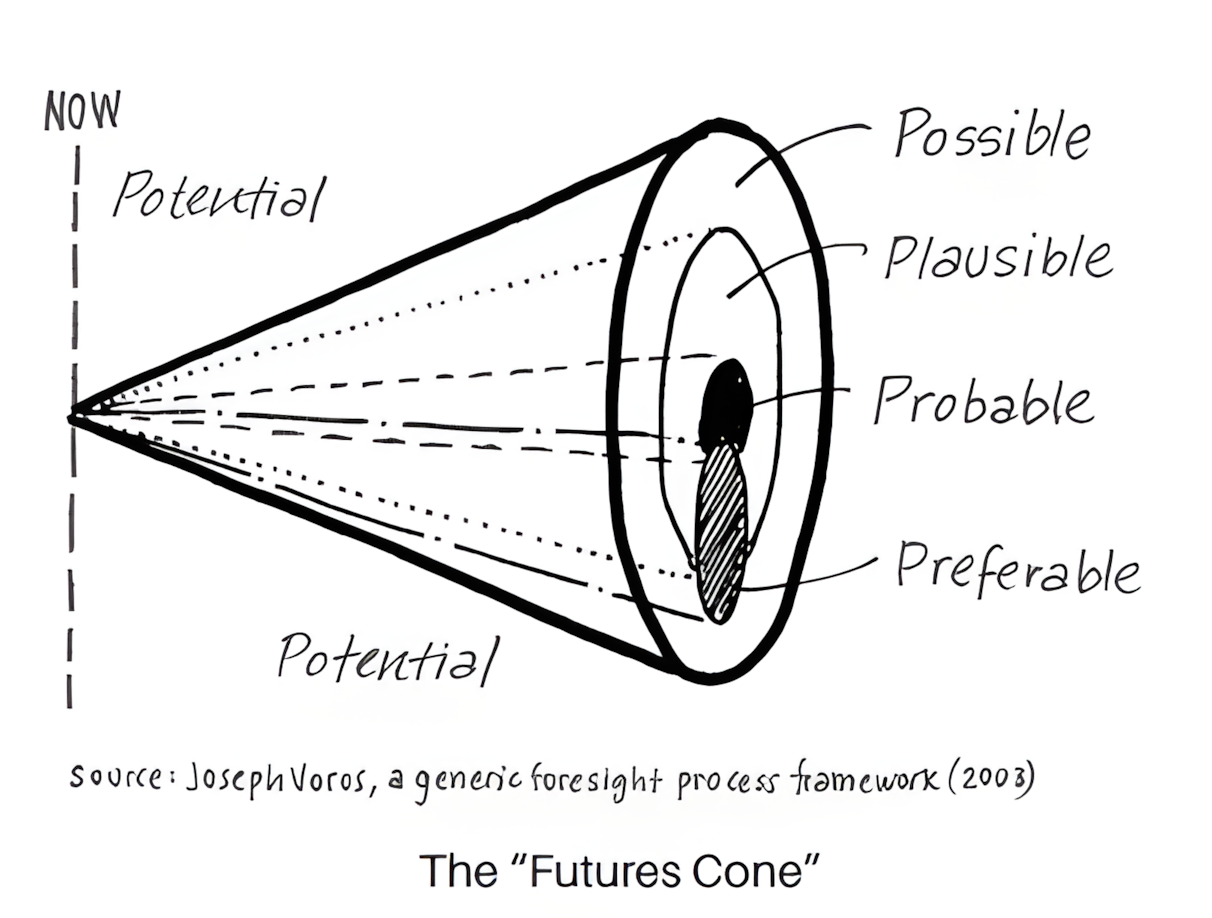
Level 1 is “Connecting to your inner future”: these initial modules aim to make participants become conscious of how they imagine the future, and understand the different possible “uses” of that future. Three different ways of “using” the future are considered: predictive futures try to reduce uncertainty; plausible futures accept uncertainty and consider multiple scenarios; experimental futures build images of alternative futures that bring change.
Level 2 is “Identifying trends, weak signals and factors of change”: it is about detecting of the forces of change (but also of continuity) that shape the future, and assessing their potential likelihood and impact.
Level 3 is “Crafting stories and images of the future”: it mobilizes our knowledge and imagination to collectively imagine different futures, including preferable futures that the working group aims at based on their values, goals, and aspirations.
Level 4 is “Your part in creating the future”: this last stage is about “becoming the change”, i.e. considering ourselves, individually and collectively, as actors in shaping this future.
From their experience in using this approach, the Future is Now project concluded that it equipped the young people with the skills, mindset, and agency required to face an uncertain world, shape their own future, and contribute to positive change for themselves and society.
This project was funded by the European Union’s Erasmus+ program.