Cultivating a Food-Smart City
Connecting the city and its rural surroundings through local food resilience and community knowledge.
Credit: All credits @Busola Trends
Credit: All credits @Busola Trends
Credit: All credits @Busola Trends
Case Study
Context
A coastal city where fragmented food actors rarely interact with rural areas.
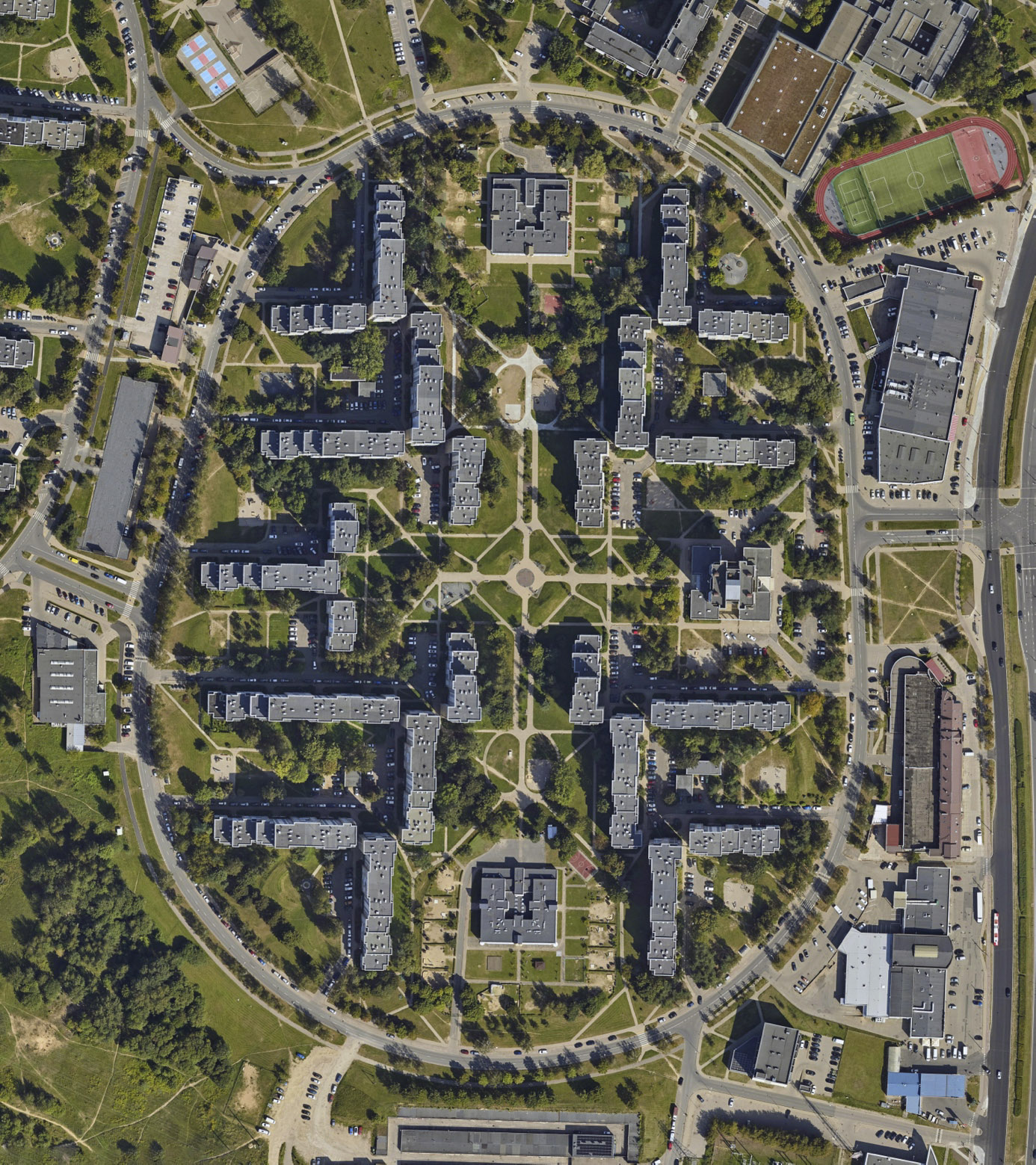
Gdynia is a port city on Poland's Baltic coast. Like many mid-sized cities, it sits at the intersection of urban density and surrounding rural landscapes. The city has a strong maritime identity and is surrounded by the agricultural traditions of the Kashubian region.
But the local food system is fragmented. Small-scale producers, allotment gardeners, consumers, businesses, and municipal institutions all operate in their own worlds. Allotment gardens (family plots cultivated by residents) alone cover around 228 hectares within Gdynia, but their users, often older residents, have limited access to formal agricultural training. Commercial producers, meanwhile, face rising costs, climate pressure, and poor visibility in local markets.
At the same time, there is growing interest in sustainable, locally sourced food. Consumers want healthier options. Producers want better connections. Yet the links between city and countryside remain weak. There is no shared platform for dialogue, and no long-term strategy for the local food system.
Story
Acting towards a highly connected urban-rural food system.
FURKAN Gdynia was a participatory project to strengthen the local plant-based food system, with a focus on plant-based food. It was led by Busola Trends, a Polish research and strategy studio, in partnership with the City of Gdynia and Fundacja Zatoka, a local foundation supporting community initiatives.
The project began with a systemic diagnosis. The team surveyed consumers, interviewed producers and experts, visited farms across the Kashubian region, spoke with allotment gardeners, and consulted food safety institutions. The diagnosis identified 30 key challenges across three areas: food safety and quality, environmental change, and cooperation.
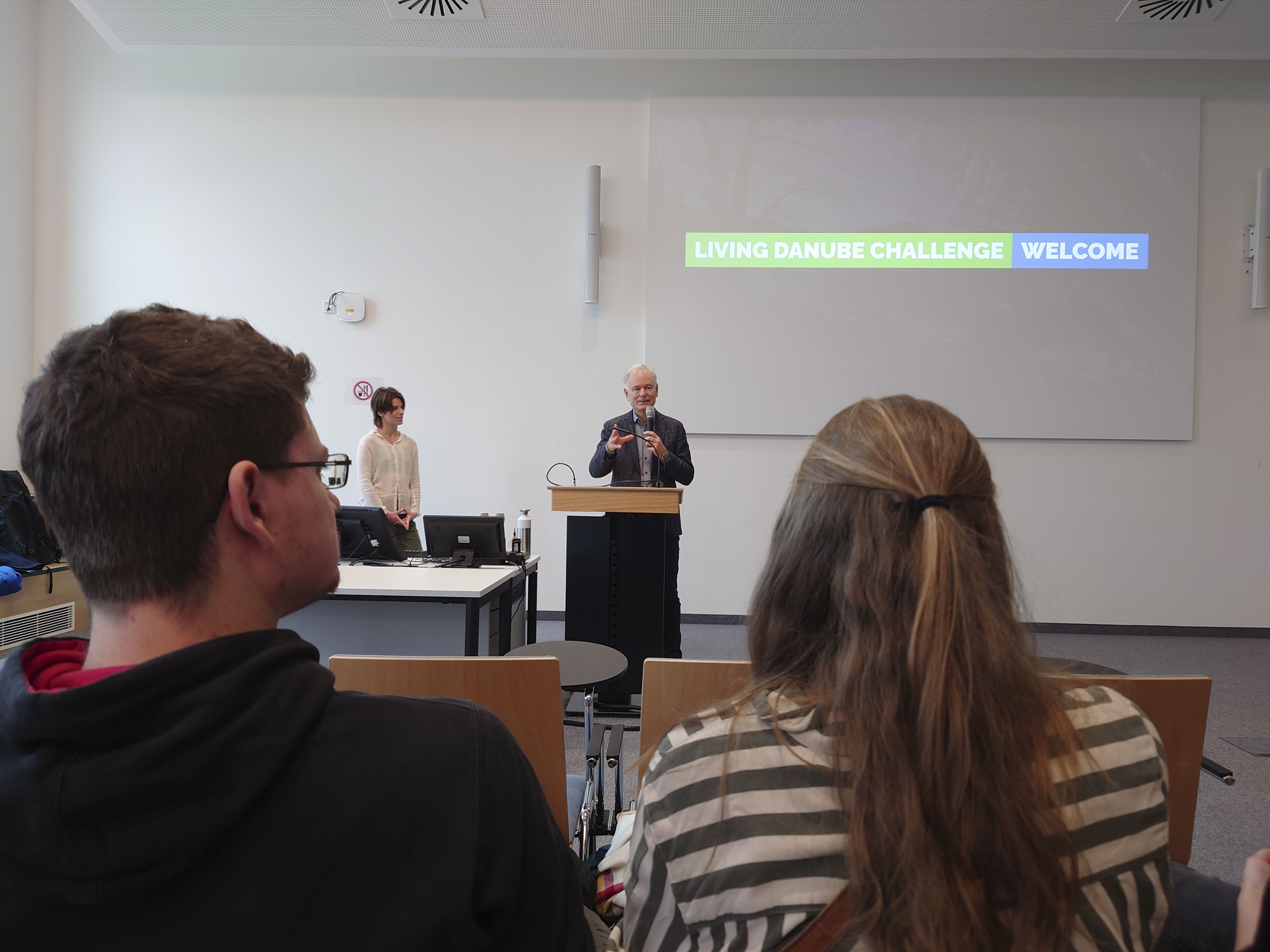
These challenges were then discussed in a series of co-creation workshops, bringing together producers, consumers, NGOs, municipal staff, and experts. Participatory methods such as World Café (rotating small-group discussions), dot-voting (prioritising ideas with stickers), and collective mapping were used to balance different perspectives. From the proposed practices, a set of good practices was selected for the educational publication.
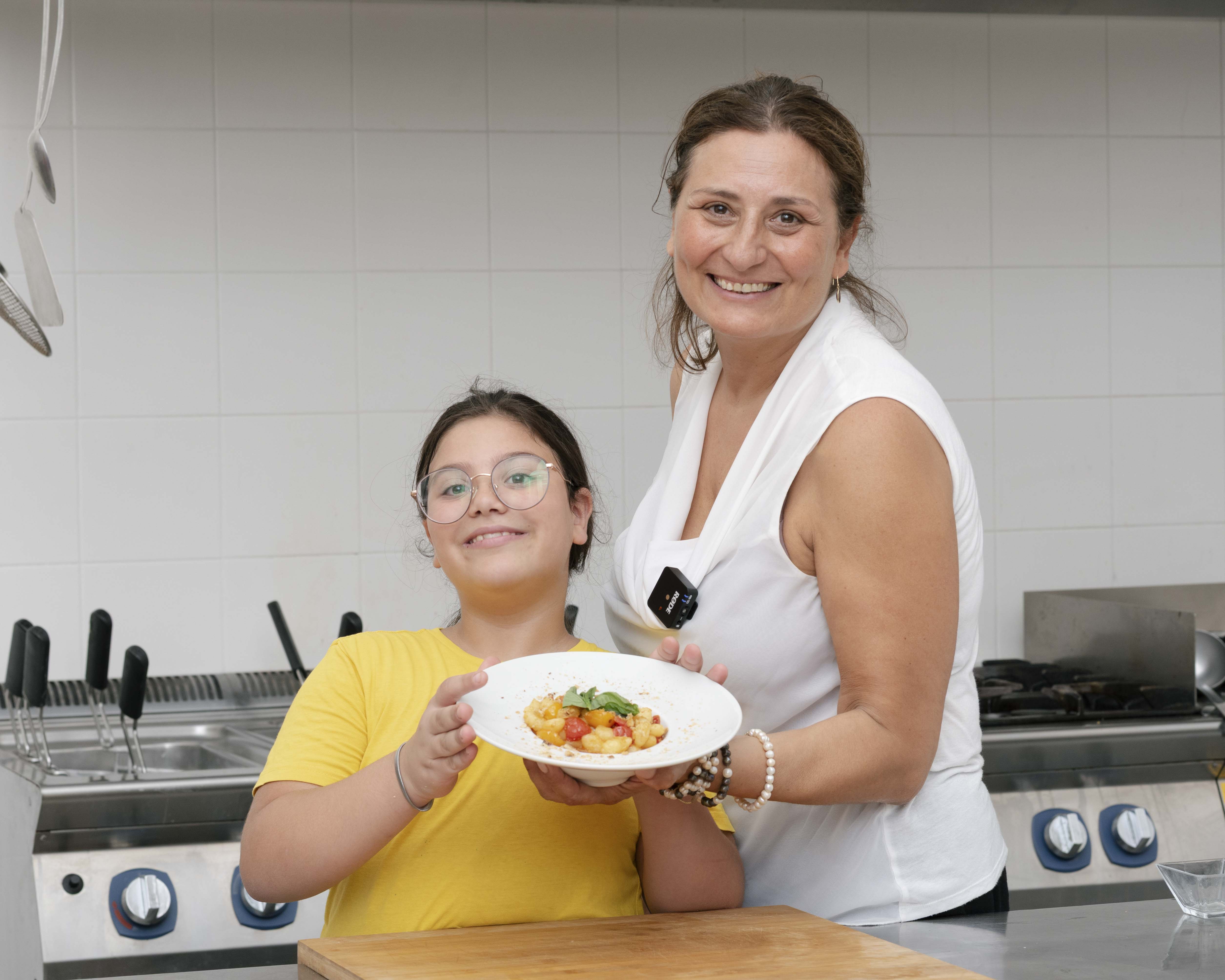
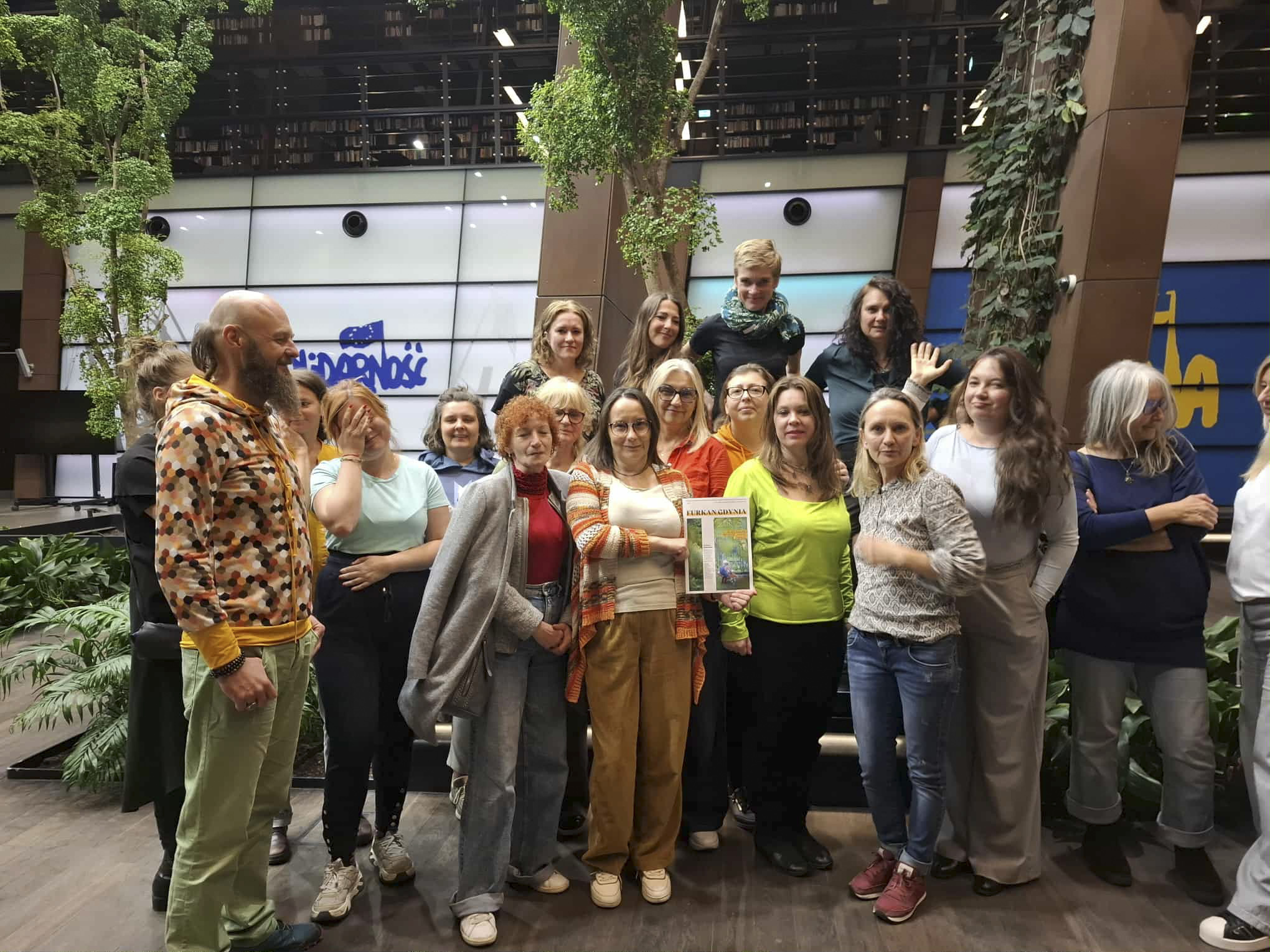
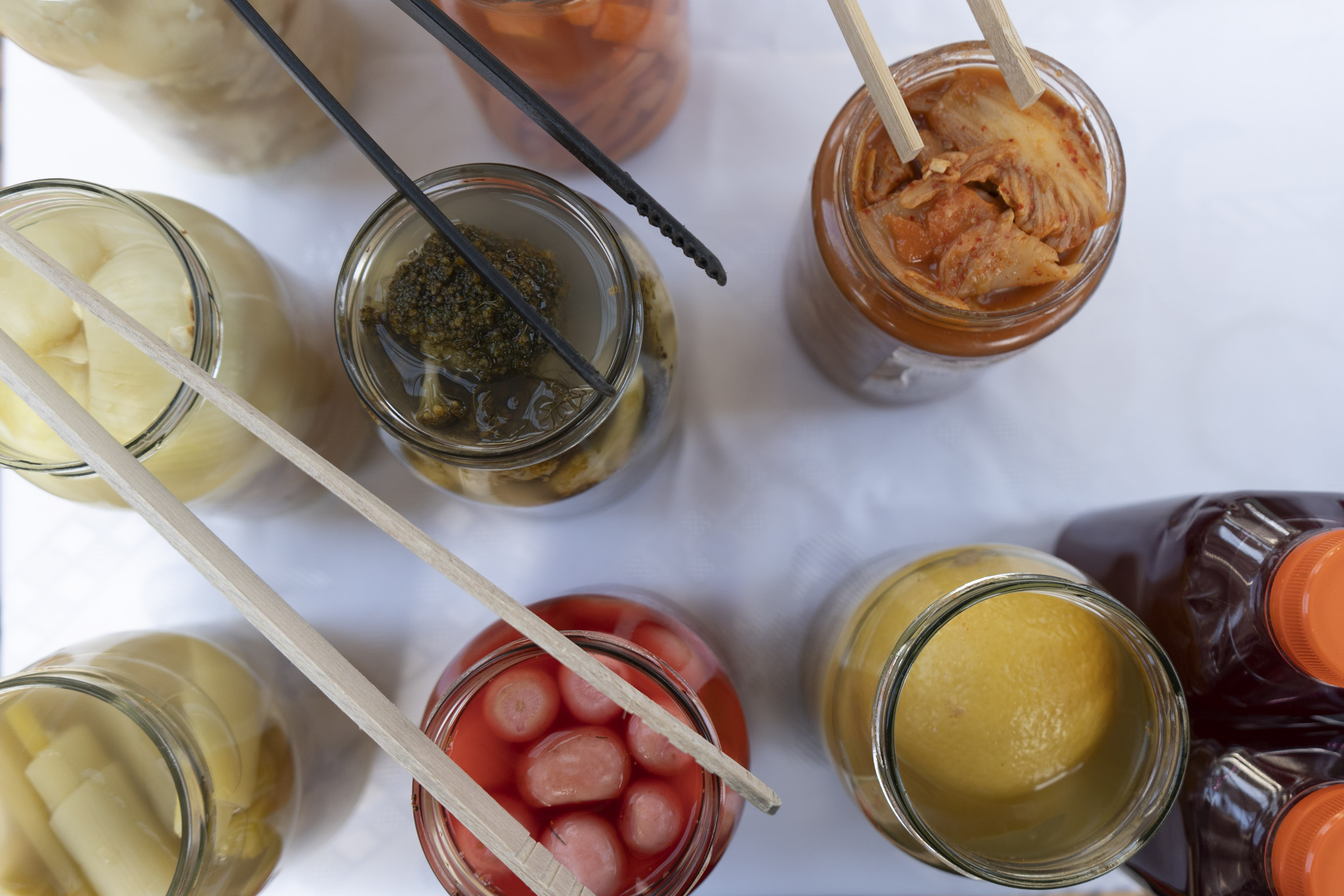
The project then launched the Food Urban-Rural Knowledge Ambassadors Network. The ambassadors received training and organised local educational events in their own communities, sharing knowledge and promoting sustainable food practices.. The project also created an educational trail in one of Gdynia's largest family allotment gardens. Five thematic boards were installed, covering topics such as natural pest control, companion planting, fertilisation, and the value of weeds. Alongside this, intergenerational workshops were piloted, bringing together children and seniors to learn natural plant protection methods and fermentation techniques.
Lesson learnt
Replication in a larger city brought wider reach and greater complexity. Maintaining relationships requires time and coordination.
One of the most significant lessons was the value of understanding a local food system through the people who shape it, as well as through its structures. Working in the coastal context of Gdynia and within the cultural landscape of Kashubia enabled deeper engagement with local identity, traditions, and everyday food practices. This dimension proved fundamental for building trust and meaningful cooperation with local actors.
The team also learned that replicating a model in a larger city is not simply a matter of duplication. Gdynia was much larger than the previous setting, and the scale of activities, visibility, and number of engaged stakeholders significantly exceeded initial assumptions. This required adapting the approach and managing a much higher level of complexity.
An important, unforeseen challenge was the scale of the network of relationships established through the project. FURKAN Gdynia brought together producers, consumers, municipal staff, NGOs, and experts, , and each new contact required follow-up, coordination, and ongoing communication.Maintaining these relationships took far more time than anticipated, and it became clear that this kind of network-building needs to be planned for from the start in future projects of similar scale.
Another important lesson concerned the Food Urban-Rural Knowledge Ambassadors Network. For participants who were more introverted or less experienced in public speaking and workshop facilitation, leading educational activities was initially challenging. Future editions of the programme would benefit from a stronger focus not only on educational content, but also on facilitation skills, communication, and confidence-building for educators.
Impact
The project delivered the first comprehensive diagnosis of the local food system in Gdynia's history. The diagnostic report, identifying 30 challenges, was formally distributed by the City of Gdynia and is now used by local stakeholders as a strategic reference document. It serves as an evidence base for the future development of a local food policy, which the City of Gdynia plans to elaborate.
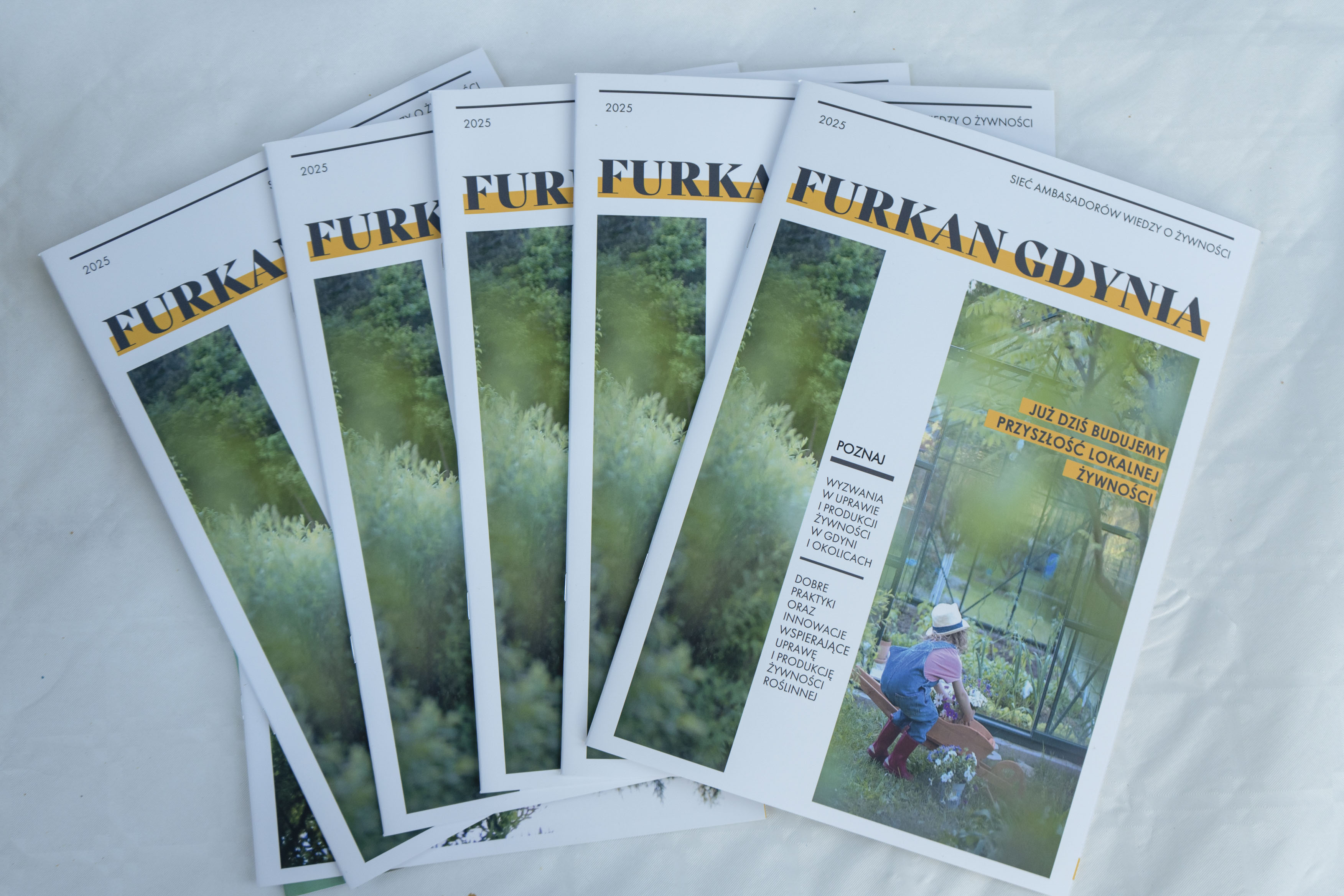
The project trained 23 Food Urban-Rural Knowledge Ambassadors Network, who delivered 29 educational events reaching 304 participants directly. Including indirect engagement through public events, the overall reach was close to 500 people. The educational publication was produced in 100 printed copies and made available online, with over 280 digital downloads.
The educational trail in the family allotment gardens provides accessible knowledge to allotment gardeners and small-scale growers, who may have limited access to formal agricultural training. The intergenerational workshops created space for knowledge transfer between older and younger residents, particularly on natural plant protection and food preservation techniques.
The project has laid the foundation for further scaling: the City of Gdynia and the Ambassadors themselves have expressed interest in expanding the network, and the FURKAN model, materials and tools are available on the project website for other cities wishing to replicate the approach.
The project was supported by the EIT Community NEB Programme and was finalist in the New European Bauhaus Prizes 2026, in the category “Enablers for New European Bauhaus Transformation”.