Escape Room KLIMA
An interactive learning experience combining teamwork, problem-solving, and environmental education
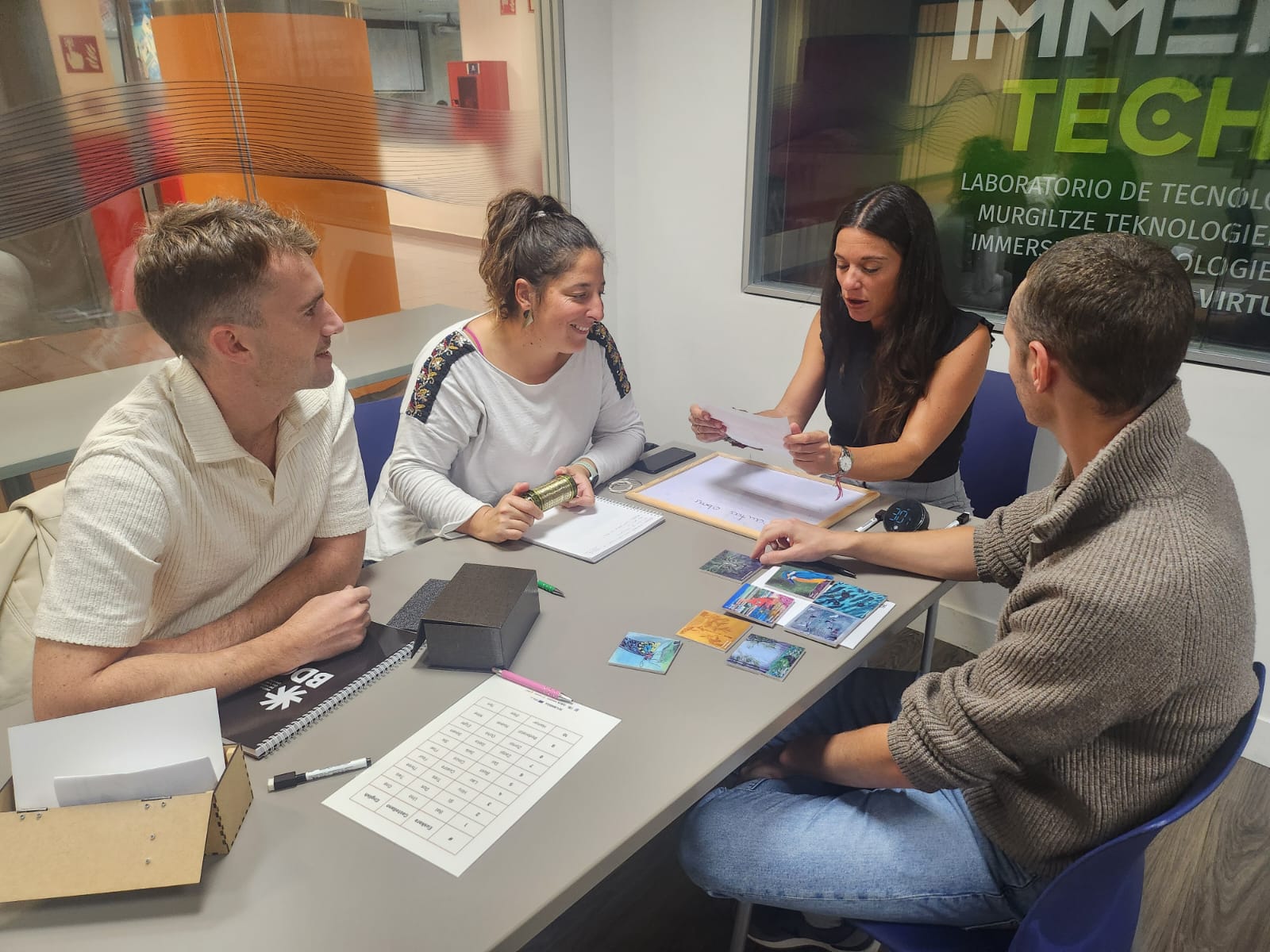
Credit: GAIA
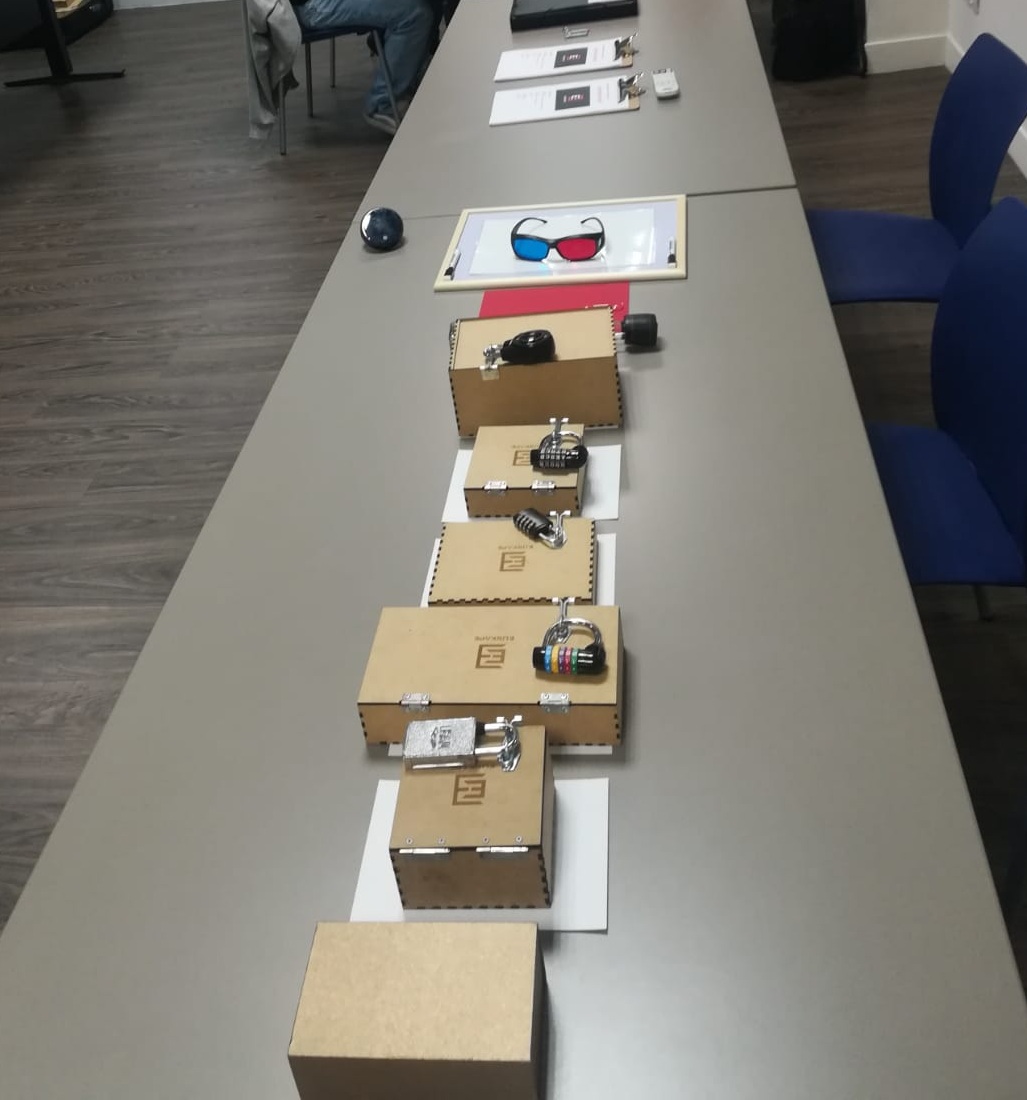
Credit: GAIA
Resource
Context
The Basque region developed new ways to engage citizens in the energy transition.
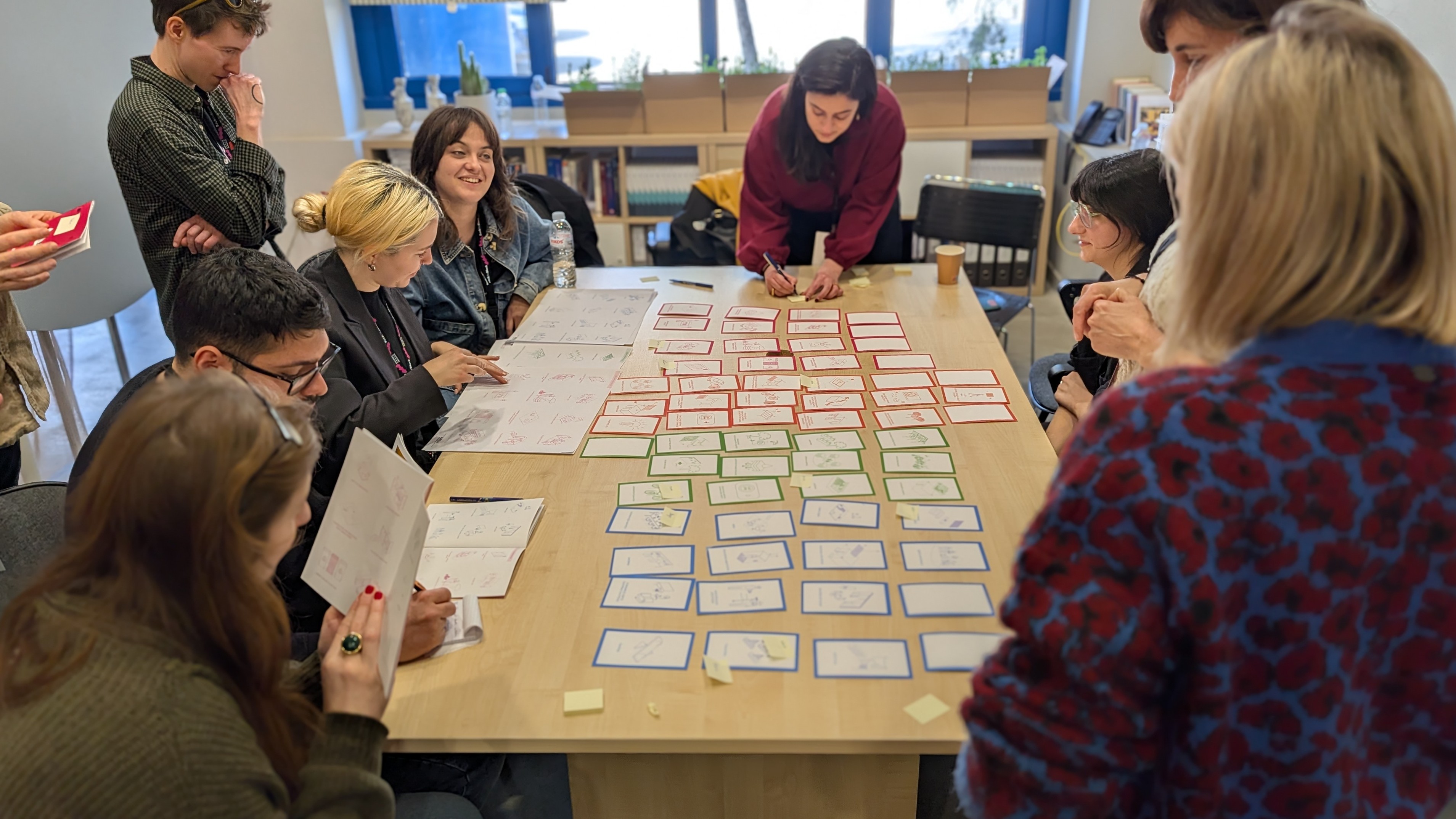
The Escape Room KLIMA was developed in Gernika-Lumo (Basque Country, Spain) within the ProLight EU project and the Gernika-San Fidel TEK renewable energy community. Coordinated by GAIA through the Basque Living Lab strategy, the initiative explored how art, creativity, and gamification can strengthen citizen engagement in the energy transition. Inspired by the methodology developed by the Interaction Seeds project, the activity transformed complex sustainability concepts into an immersive and accessible experience for students, families, teachers, and local stakeholders. Participants collaboratively solved challenges related to renewable energy, energy efficiency, carbon footprint reduction, and collective energy management through storytelling, physical artefacts, and AI-generated music. The activity aligns with New European Bauhaus values by combining sustainability, inclusion, aesthetics, and community participation to foster climate awareness and behavioural change.
The resource in a nutshell
Gamified artistic toolkit combining teamwork, problem-solving, and environmental education
The KLIMA Escape Room is a replicable gamified learning experience designed to engage citizens in climate action and renewable energy communities through art, storytelling, and collaborative play. Developed within the ProLight project for the stakeholders of the San Fidel TEK energy community in Gernika-Lumo, the activity combines physical puzzles, immersive narrative, AI-generated music, and sustainability education.
The experience is designed for groups of 2-8 participants (ideally 4-6), lasts approximately 60 minutes, and is available in Basque, Spanish, and English. Participants progress through six interconnected challenges focused on renewable energy, climate change evidence, CO₂ consumption, Sustainable Development Goals (SDGs), sustainable behaviours, and ethical lifestyles. Each challenge requires teamwork, logic, communication, and manipulation of physical objects such as coded locks, wooden boxes, UV lights, filters, and puzzles.
The narrative places participants in the role of “agents of adaptation” who must help communities respond to climate change. One challenge introduces the San Fidel TEK energy cooperative and its renewable energy model, while others explore carbon footprints, responsible consumption, and sustainable mobility. The activity concludes with a collective reflection encouraging participants to become active contributors to the green transition.
The methodology can be replicated by schools, municipalities, Living Labs, or energy communities by adapting the storyline and local sustainability challenges. Good practices identified include combining artistic and technological approaches, involving local stakeholders in co-creation, using portable and reusable materials, validating the experience with pilot groups, and integrating digital or AI-generated artistic elements to strengthen immersion and emotional engagement.
The KLIMA Escape Room was developed by the ProLight and Interaction Seeds projects, funded by Horizon Europe.