Cooperative housing in Valencia
A participatory pilot turning interested individuals into an empowered housing cooperative
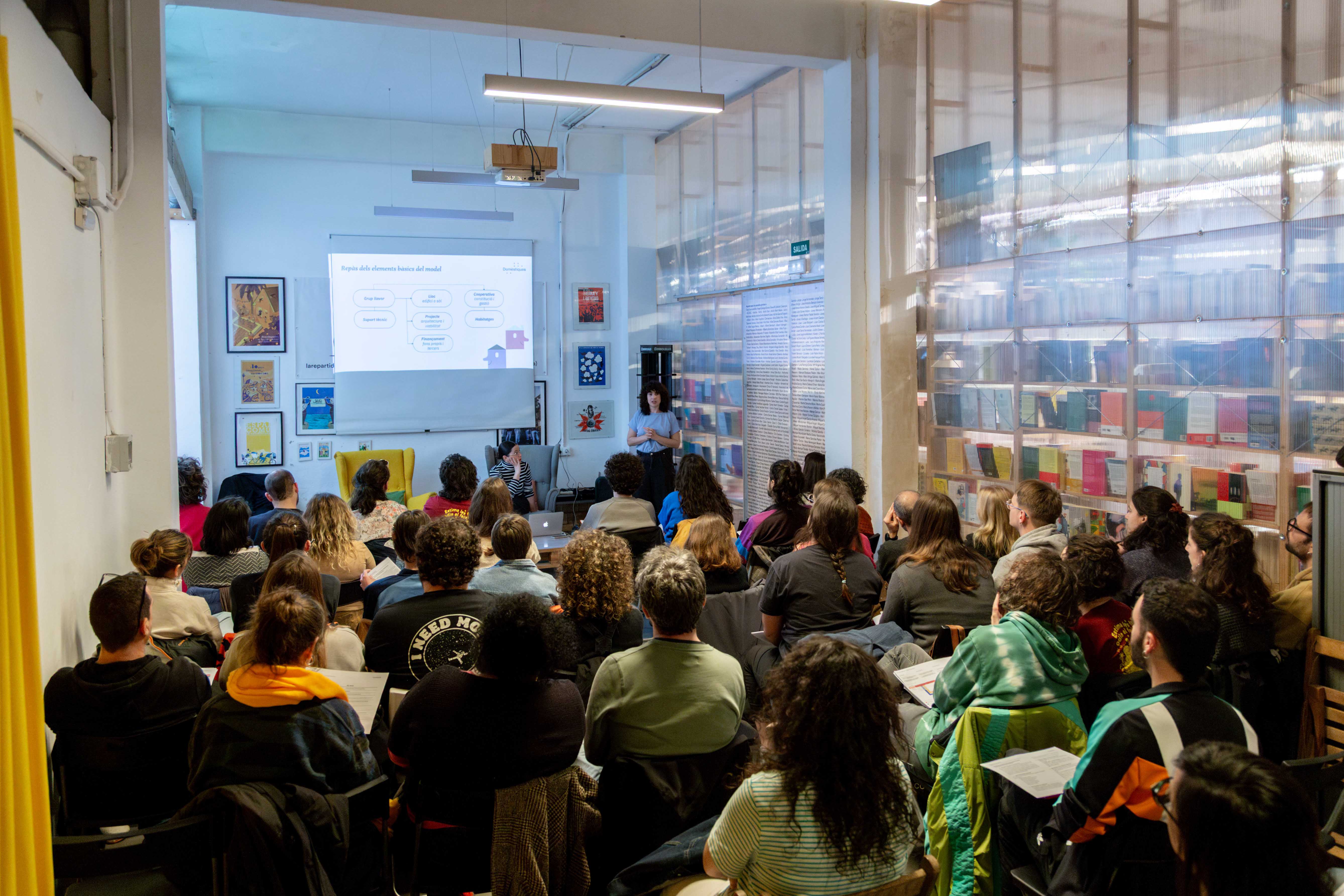
Credit: Training sessions - Clara Broseta
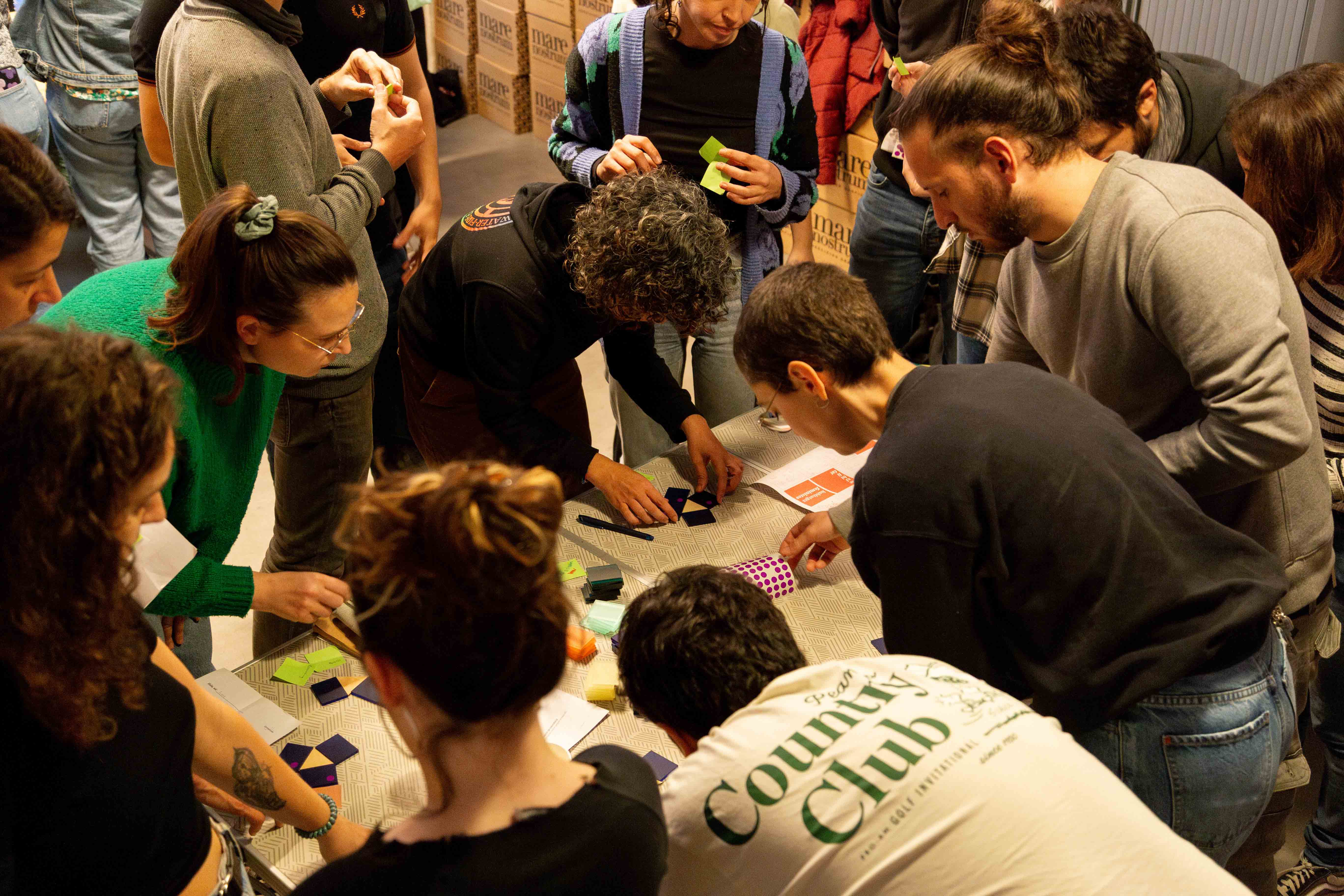
Credit: Co-design methodologies - Clara Broseta
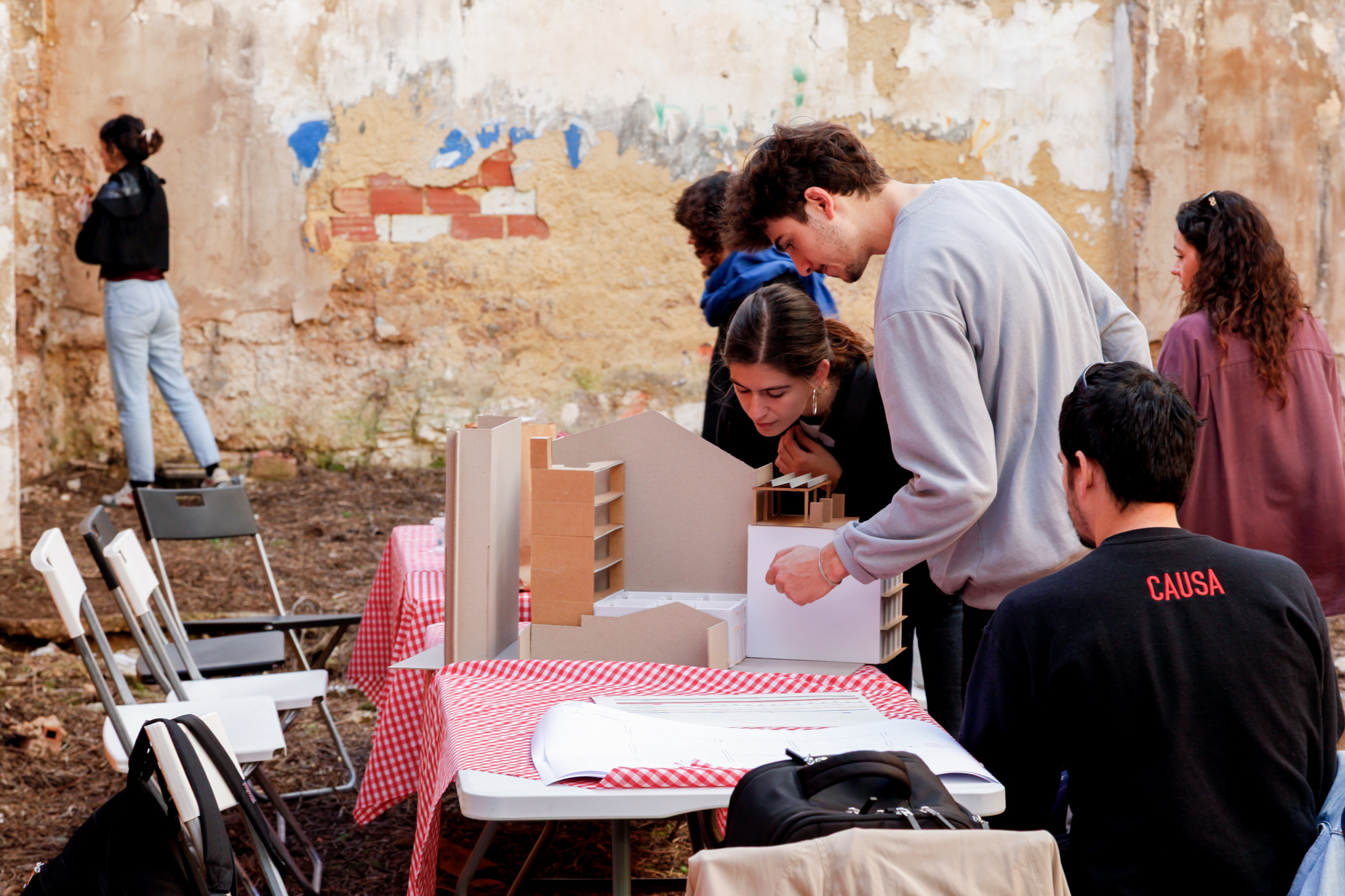
Credit: Pilot project celebration - Clara Broseta
Case Study
Context
Valencia's housing pressure meets cooperative solutions
Across Europe, access to affordable housing has become a growing challenge. Rising rents, stagnating wages, and the short-term rental market have put pressure on many cities. Young people are particularly affected.
In the Valencia region of Spain, 77% of tenants are between 30 and 40 years old. Housing costs have risen steadily, while the supply of social and affordable housing remains limited. In the city of Valencia, the Jesús district – a central but mixed-income neighbourhood – faces the same pressures as the rest of the city.
Cooperative housing exists elsewhere in Spain, but the model is still little known. Few citizens are aware of how it works or how to start such a project. There is currently no clear established pathway to turn interest in cooperative housing into concrete action.
The city administration has shown openness to innovation in housing, but practical tools and tested methodologies are still missing.
Story
How a Valencian cooperative turned housing curiosity into collective action
Faced with this gap, Crearqció, a Valencian cooperative of architects and urban planners, decided to take action. The organisation had already built a small community of people interested in cooperative housing through its previous activities, in partnership with El Rogle Coop. V., a law firm specialised in cooperative housing and the right to housing. Together, they run Domèstiques, a research and action lab that promotes cooperative housing in the Valencia region. They launched a pilot project to see whether curiosity could be turned into collective action.
They started with a list of 30 people from that community. When they opened the call wider, the list grew to 75. Interest was clearly there.
Three training sessions explained how cooperative housing works, what collective governance means, and why design matters. 49 people attended. A second round of three sessions went deeper into legal structures, economic models, and how to organise a group. 26 participants stayed on for that.
The group then moved from theory to practice and worked with architects from Crearqció to design not just a building but a way of living together. The methods were practical: evolving drawings that changed after each discussion, a physical model to understand volumes, and a collective exercise where pieces of paper represented square metres of shared space. One of the most effective activities took place on the actual plot, where the group marked out a full-size apartment on the ground. That helped everyone understand the real scale of the spaces they were designing.
At the same time, the group reached out to the neighbourhood. They met local associations, attended community events, and presented their project to the Architects’ Union youth section. By the end of the process, they were no longer just interested individuals: they had de facto become a promoter group. Fourteen people ended up actively shaping the project.
Lesson learnt
Build shared knowledge, then build together
The project showed that building a cooperative housing group takes time, and that you cannot rush from interest to action without a shared understanding. The training sessions were not just a formality: they gave people the same vocabulary and a realistic picture of the legal, economic and architectural constraints. Those who went through them were better equipped to make informed decisions later.
Technical language turned out to be a real barrier. Words like "cession d’ús" or "cooperativa sense ànim de lucre" mean nothing to most citizens, so the team had to translate constantly using visual materials, glossaries, and Q&A sessions. When people understand, they stay involved. When they do not, they drop out.
A permanent tension emerged between what participants wanted and what was financially realistic. The group aspired to quality, sustainability and beauty, but the budget had limits. Working with La Dinamo Fundació helped make these trade-offs explicit without discouraging the group.
Neighbourhood engagement was not optional. The group went out to meet local associations, attended community events, and presented their work to the Architects’ Union youth section. This did not happen by accident: it was planned and it worked.
Dealing with the city administration was difficult at first because the project was too new and too small. Once the group had a clear proposal and a track record, doors began to open. The pilot is now linked to the city’s innovation lab and was presented at the Sustainable Valencia Forum. Having a mature, well-documented project makes a difference when seeking institutional support.
Impact
The project reached 75 interested individuals, trained 49 people, and formed a core promoter group of 14 active members. Participants moved from being “individuals interested in the model” to recognising themselves as an emerging collective actor with shared governance structures and decision-making capacity.
All participants rated the training as “very good”. 90% stated that the sessions helped them better understand the cooperative housing model, and 90% reported an increase in their overall knowledge. 70% affirmed that what they learned would enable them to take concrete steps toward promoting a cooperative housing project. 100% expressed a desire to continue deepening their engagement.
The project also influenced local policy. It was selected as one of nine projects for the City Council’s Sustainable Valencia Forum. Discussions with VLC Innovation Lab estimated a potential impact of 300 homes in 20 projects over the next decade. The project laid foundations for the city to consider cooperative housing as a viable public policy tool for urban regeneration and affordable housing.
This project has been supported by the EIT Community NEB programme in 2025.