Inclusive Museums: Addressing Neurodivergence in Cultural Spaces
An initiative for more inclusive museums, developed by the InteractionSeeds project
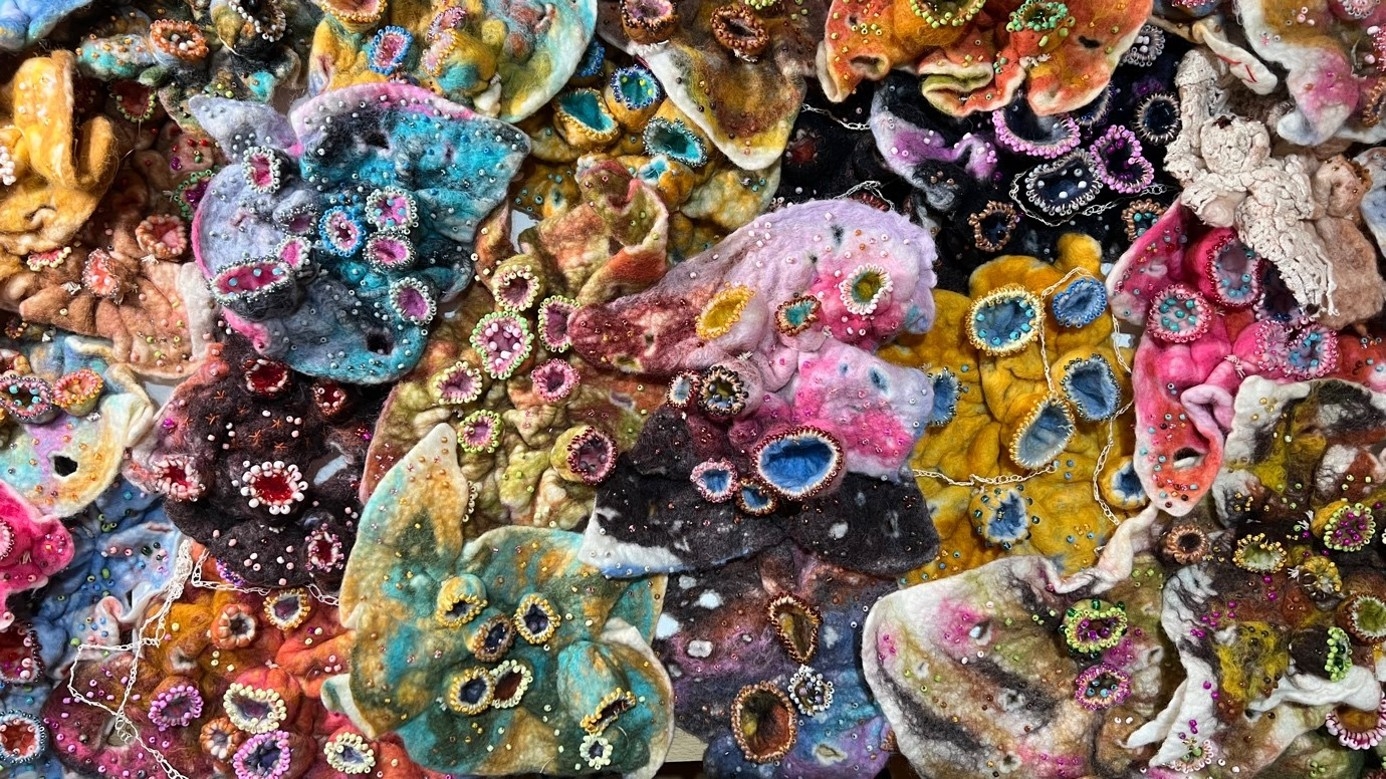
Credit: Yassamin Kouraichi
Credit: Stella Cohn
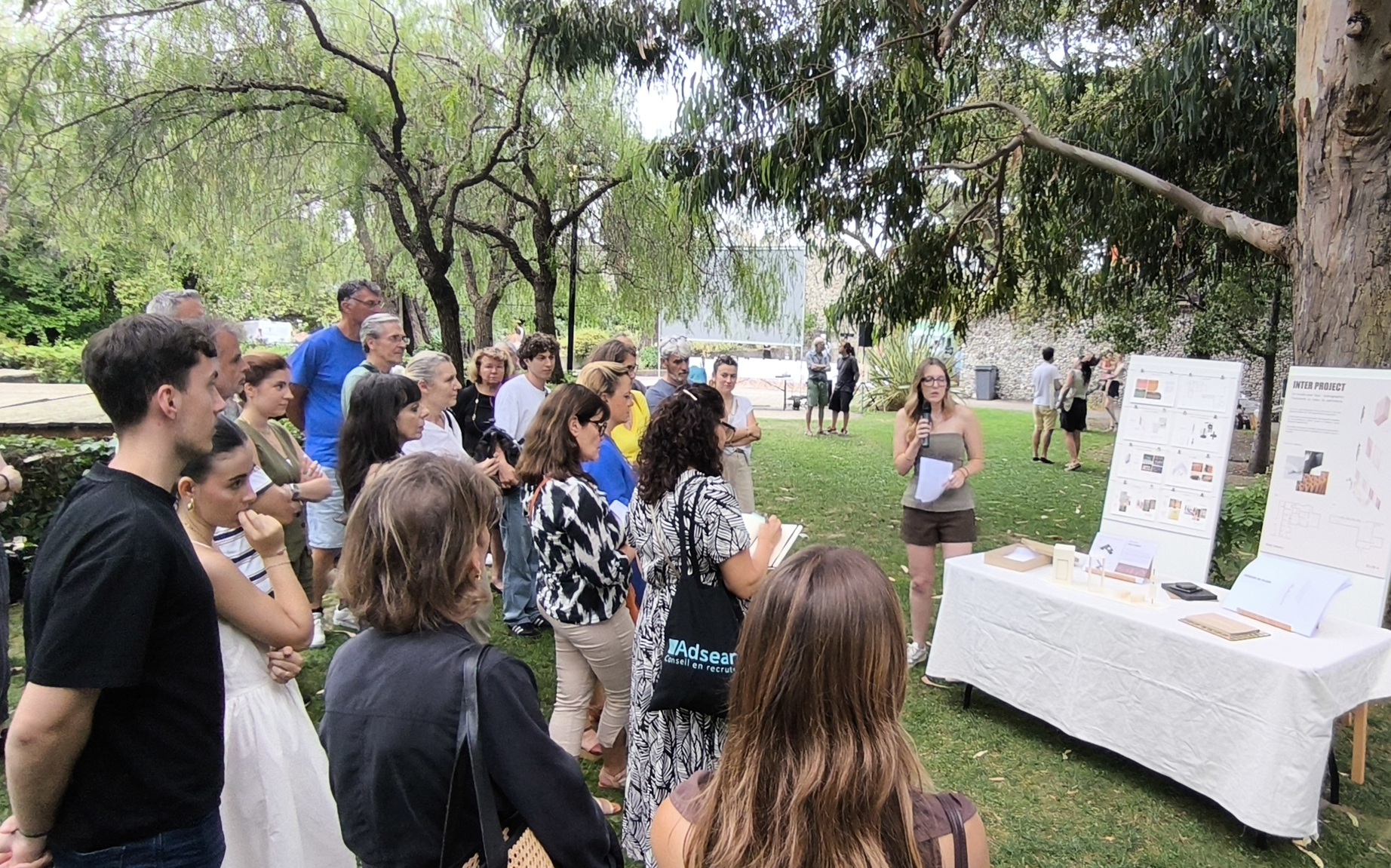
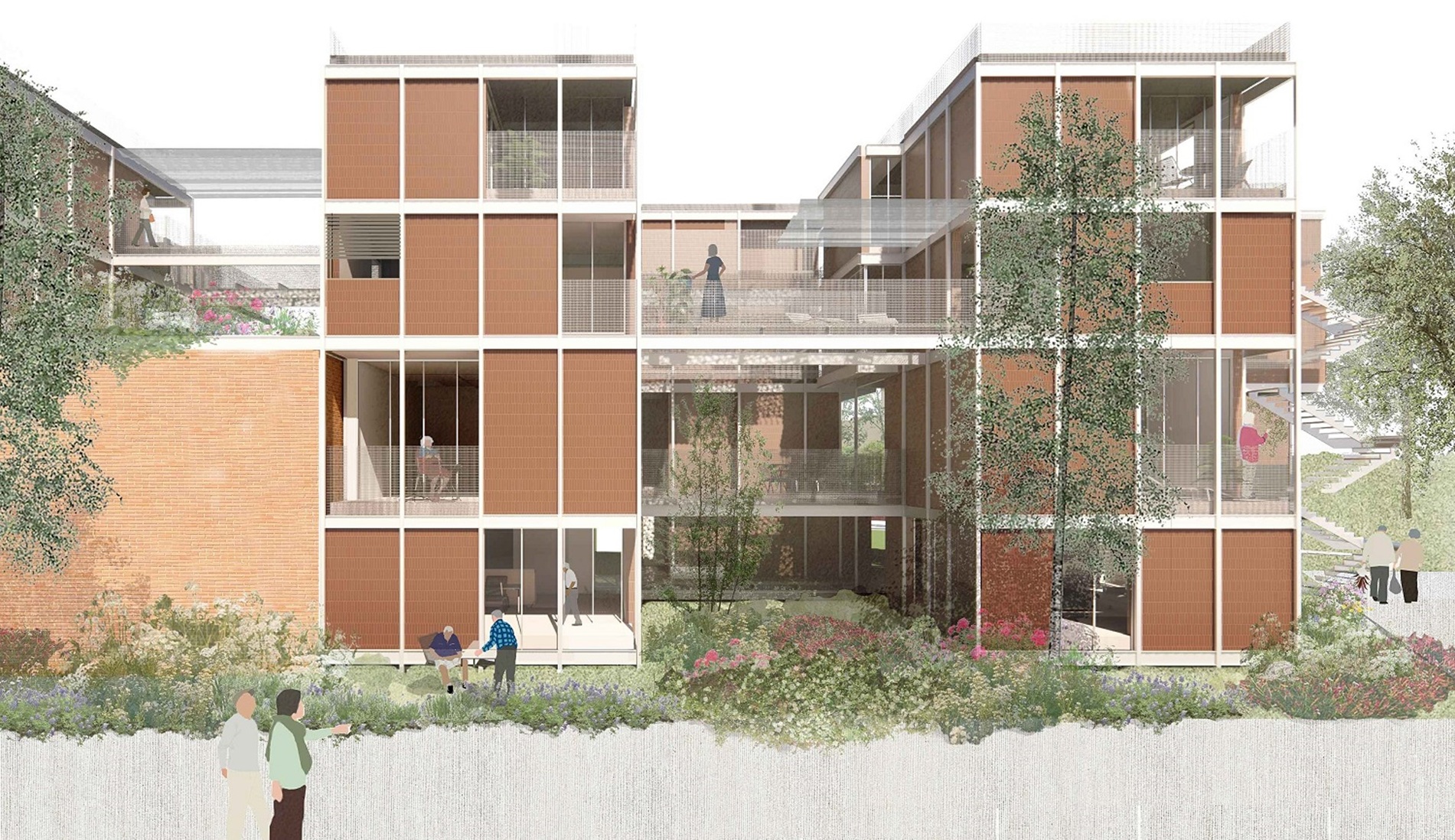
Credit: Yassamin Kouraichi
Case Study
Context
A pilot for more inclusive museums on the French Riviera
The « Inclusive Museums » initiative was developed to raise awareness about neurodiversity, specifically attention deficit hyperactivity disorder (ADHD), sensory processing differences (hypo- and hypersensitivity), and specific learning differences (commonly referred to as “DYS”), within an interdisciplinary ecosystem based in the French Riviera (Nice, France).
Museums are often considered safe, inspiring spaces where people can learn, explore, and engage with culture in meaningful ways. While this holds true for many, it is not the case for all. For some neurodivergent people with dyslexia, dyspraxia, ADHD, autism, or sensory processing differences, museums can be an overwhelming environment. Crowds, noise, lighting, textures, and traditional educational formats may create significant barriers to access, comfort, and learning.
Story
Piloting transdisciplinary approaches to promote neuro-inclusive cultural experiences
The “Inclusive Museums” initiative was developed as part of the InteractionSeeds project, coordinated by Dowel Innovation, whose objective was to bridge the gap between art, science and citizens thanks to small-scale, locally grounded interactions.
The “pilot was developed to raise awareness of cultural and educational institution and foster inclusive spatial design practices for neurodivergent audiences, with a focus on museum accessibility. It brought together an unusual alliance of partners: cognitive neuroscience researchers, special educators, a performing artist, a cultural institution, a biomedical start-up specializing in neurodevelopmental diagnostics and 48 space design students. It combined scientific knowledge, capacity-building, artistic practice, and design education to promote neuro-inclusive cultural experiences.
Grounded in the principles of Universal Design for Learning (UDL), the initiative promoted multiple modes of representation, engagement, and expression to meet the diverse learning needs of all participants, including neurodivergent visitors.
The following main activities were performed:
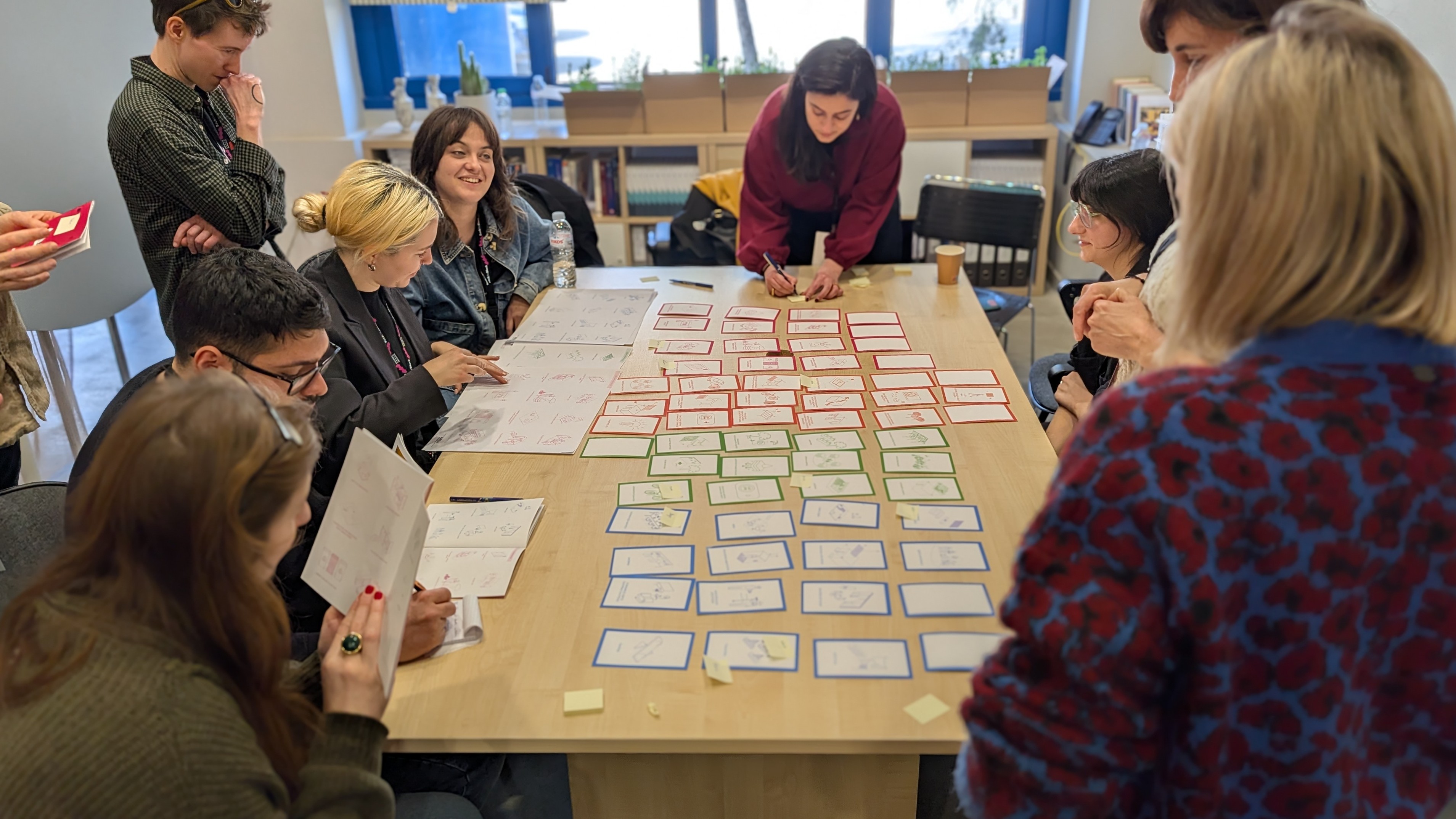
- An awareness-raising and training session for 48 design students, aimed to help them understand neuroatypical experiences before starting their projects.
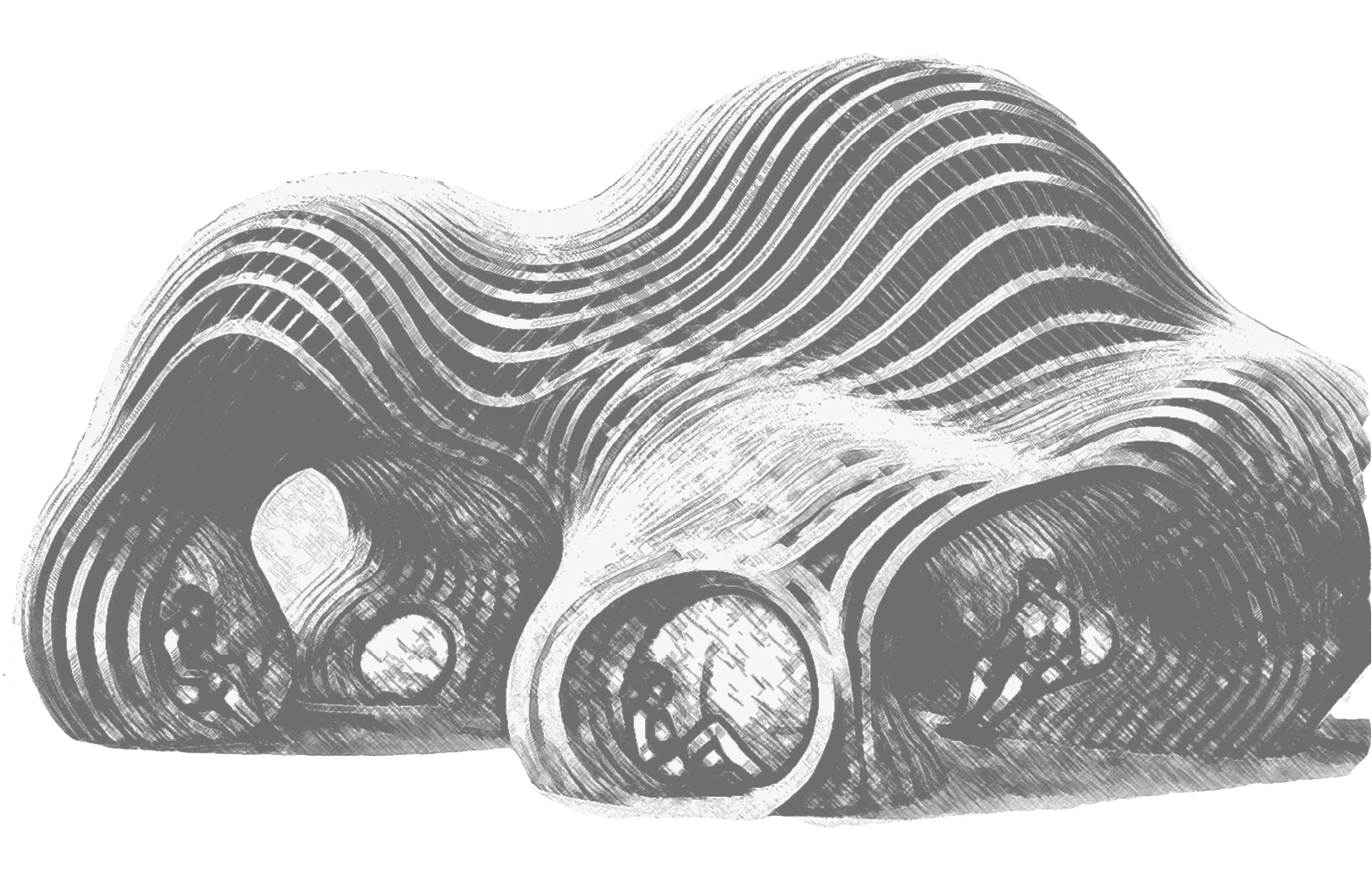
- A space design challenge where 48 first-year space design bachelor students developed, over five weeks, inclusive scenographic solutions adapted to an exhibition.
- A scientific conference by a biomedical start-up, mediated by an artist who transformed complex content into an engaging, imaginative performance, with 80 participants.
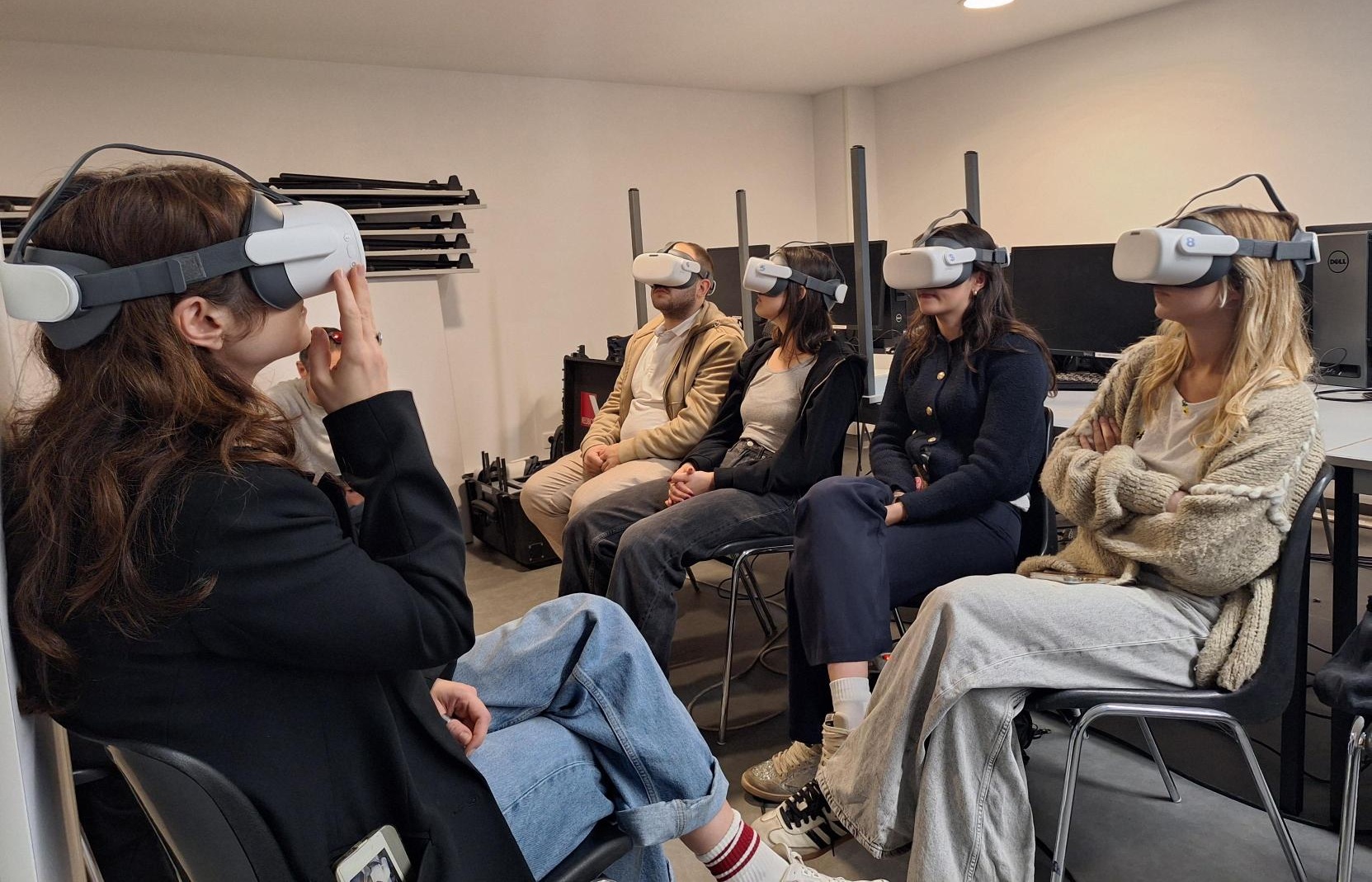
- Virtual reality experiences simulating dyslexia (88 participants in total).
The artistic activities carried out across the phases of the project were central in fostering empathy, understanding, and creative engagement with neurodiversity.
Lesson learnt
More meaningful and inclusive solutions thanks to collaboration across disciplines
By uniting experts from neuroscience, special education, design, curatorial practice, and the arts, the program highlighted how collaboration across fields can lead to more meaningful, innovative, and human-centered solutions. Throughout the initiative, the artist’s role was essential, not as decoration but as a translator of complexity.
This initiative also demonstrates that inclusive design is not a one-off gesture but an evolving practice: one that benefits from interdisciplinary expertise, and sustained institutional engagement. By embracing these principles, museums and cultural institutions can become more equitable, more responsive, and more deeply connected to the diverse publics they serve.
While shaped by the specific local collaborations and resources available, the methodology and objectives were designed to be transferable to other contexts where similar expertise can be mobilized. Recommendations for successful replication include:
- Encourage interdisciplinary collaboration.
- Leverage local networks and institutions, partner with established regional organisations to build trust
- Incorporate immersive, empathy-building tools such as virtual reality
- Bridge science and sensory learning, with hands-on workshops led by special education professionals to complement theory
Impact
The project provided hands-on experience and new skills to students in space design on how to address real-world challenges faced by neurodivergent visitors. Many described the experience as transformative, not just for their knowledge, but for their design practice.
It also brought together museums and cultural institutions and encouraged them to collaborate and sustain inclusive practices at the local and regional levels. As a result of this initiative, the design school and cultural institution involved in the initiative have both made clear commitments. Teachers reported new sensitivity to their neurodivergent students, and museum staff committed to rethinking how they welcome neurodivergent visitors.
The InteractionSeeds project was funded by the Horizon Europe programme.