Sustainable and inclusive library renovation in Zoersel
A new multifunctional library building that strengthens social cohesion in Zoersel, Belgium
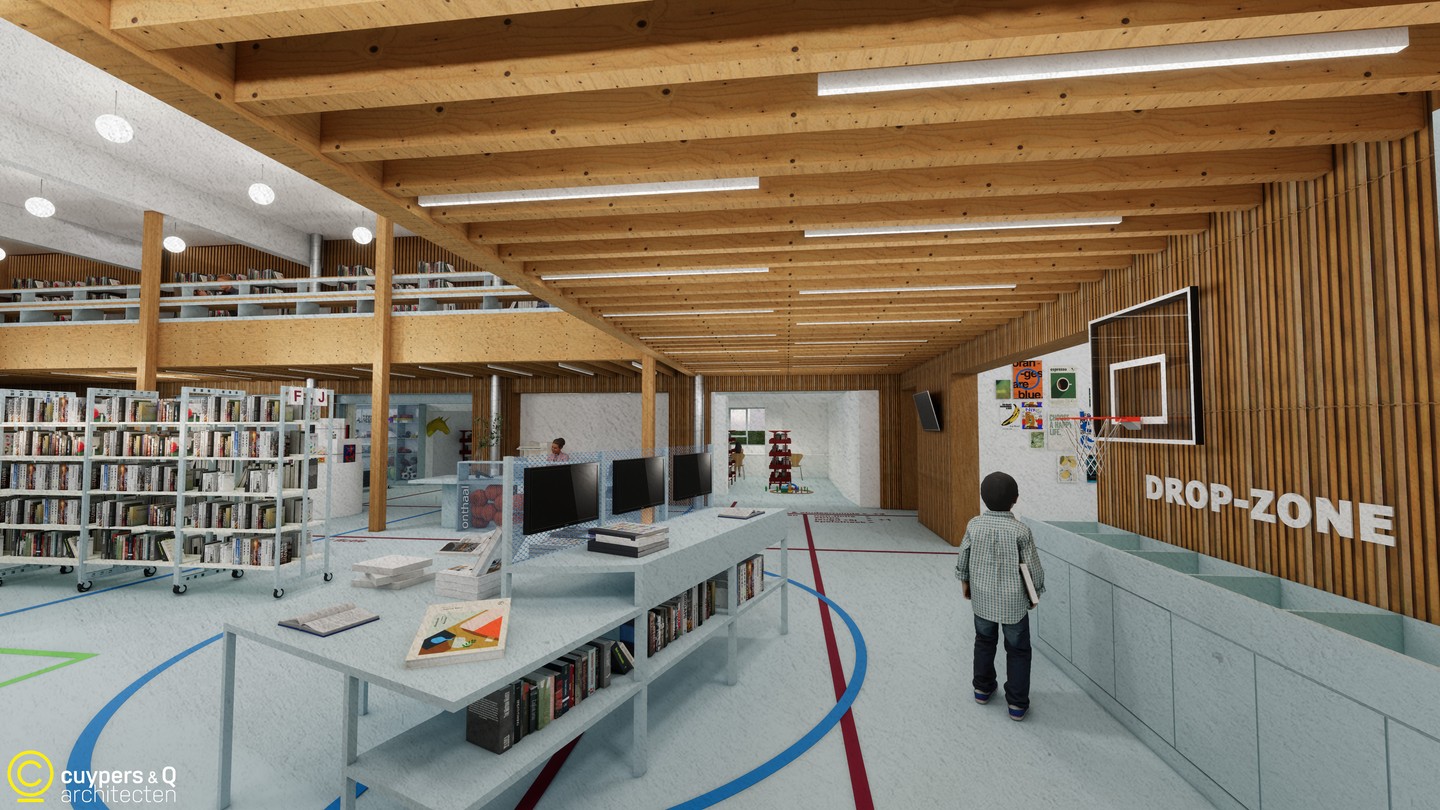
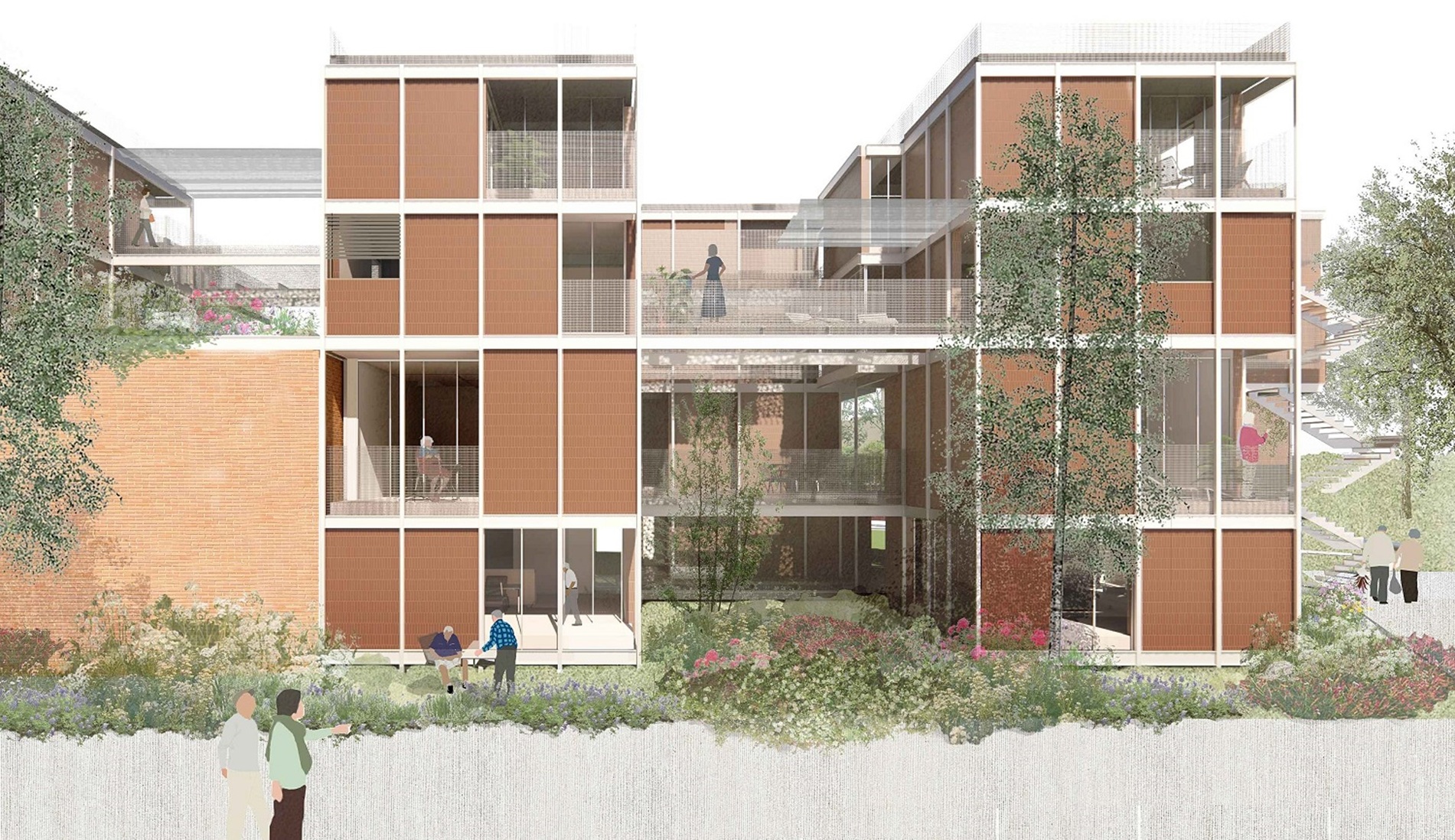
Credit: cuypers & Q architects
Case Study
Context
Renovated library and social housing to improve the attractiveness of Sint Antonius neighbourhood
As part of the EHHUR NEB Lighthouse project, the Zoersel municipality (in the province of Antwerp) developed three solutions to improve the attractiveness of its most densely populated residential area: Sint Antonius. These solutions encompass the sustainable, circular, and inclusive renovation of the local library, the development of affordable housing, and the creation of a Citizen Energy Community (CEC). The objective of these solutions was to reinforce the social cohesion of the district through the conversion of existing buildings.
EHHUR allowed the municipality to kick-start the project and to benefit from strong research support to co-design and refine the solutions. At this date, the city council has selected the architects and approved the design for the new, multifunctional library in Sint-Antonius. If all goes according to plan, the place will open in 2026.
Story
Co-creating and procuring a sustainable public space with its users
The EHHUR project aims to support cities’ green transitions, while considering local heritage and social context. As one of the project’s seven lighthouses, the Zoersel municipality chose to test the approach in renovating a library with a greener building and an inclusive purpose. Besides the library, thought as an inspiring place to learn, develop and meet others, the building will accommodate seven inclusive social housing units.
Designing and procuring a community space with the residents
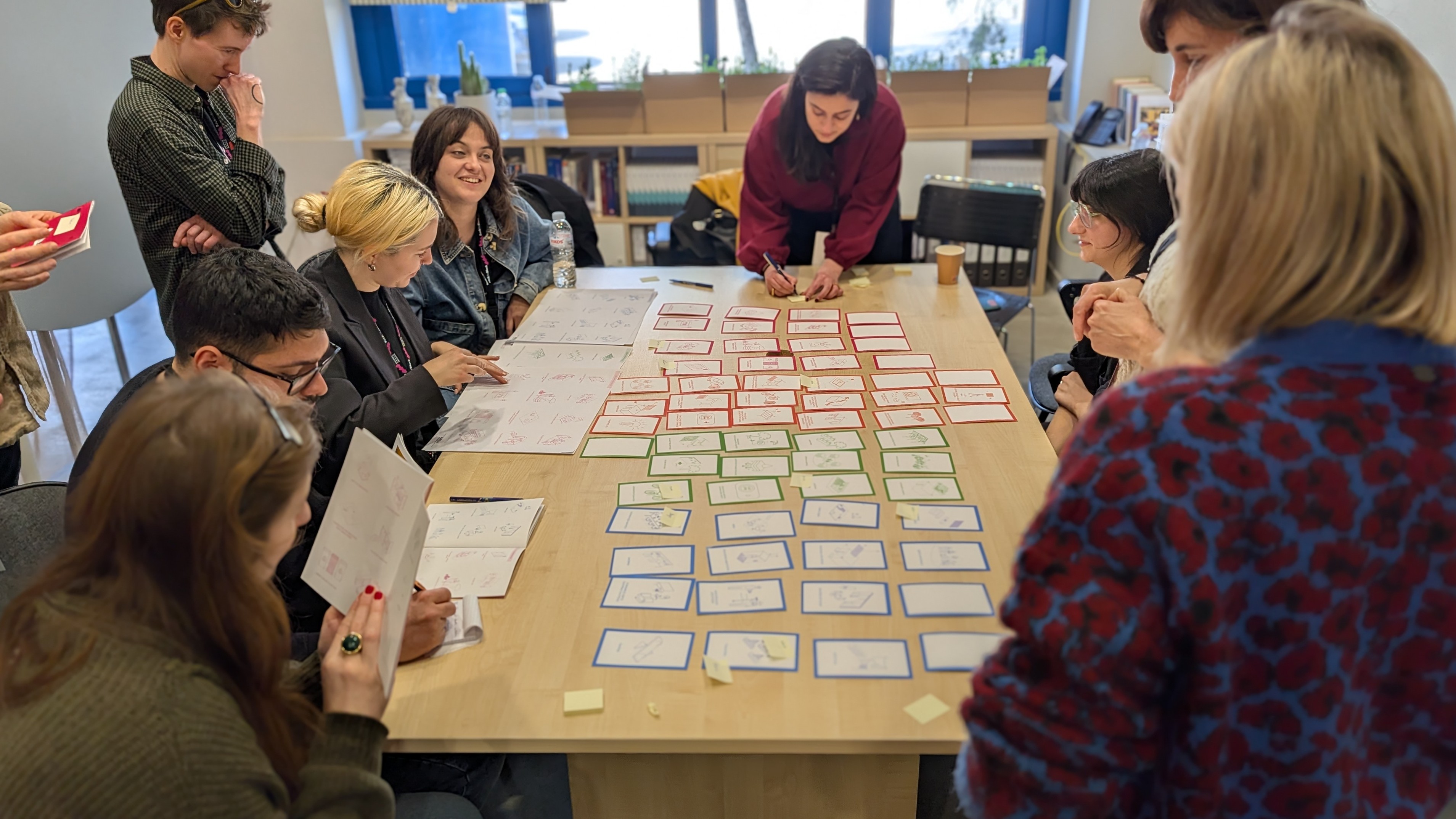
A series of masterclasses, workshops, and an inspiration café were organised in the library. The project's ambition was clarified and discussed in consultation moments with library users, social partners, the social housing company, schools and the Municipality. An online survey completed this consultation and gathered input from more than 350 stakeholders, including town councils, associations and library users, to understand their needs and preferences, focusing on interest in circularity and mobility patterns. The outcomes of these interactions were then used to define the functionalities of the library and its surroundings. Capacity building sessions and information sessions were also organised targeting construction companies and professionals to raise awareness about sustainable construction practices and encourage participation in the tender process.
On top of direct interactions with the users of the space, data visualisation (e.g., with the PLANHEAT tool) has been used as a powerful tool for the municipality to analyse the neighbourhood of the library and propose solutions based on the local usages.
The results of the co-creation processes were integrated into the tender procedure for the selection of architects, ensuring community input was considered in the project. Finally, the design of the new library was co-chosen by a jury of city councilors, experts, and residents.
A sustainable renovation
Through EHHUR, energetic and economic/financial studies have been performed to dimension the PVs that will be installed on the rooftop of the library. These will feed the library, the social apartments, and the citizens investing in the PV installation. The surplus of electricity will be shared with other infrastructures of the municipality and sold to a green energy provider, once the building will enter in function.
Lesson learnt
Strong political and social engagement leads to success
This case study demonstrates that small municipalities can also successfully implement the NEB principles. These results have been made possible thanks to a strong local political ambition and the visibility offered by the European project. The choice of the building also created a social momentum around the library’s renovation, which was presented as a driver of decarbonisation, social wellbeing, and economic resilience. This was strengthened by the engagement and integration of citizen and stakeholder preferences throughout the process.
During the process, the municipality also experimented that the complexity of circular construction might lead to quality, supply, and pricing challenges. Indeed, complex circular projects are prone to delays, which can account for up to 50% of cost increases, often more than the added cost of circular specifications themselves.
Finally, the availability of knowledgeable staff at the municipal level is also key. Though it might be challenging in smaller municipalities, capacity can be built through partnerships. For example, as part of EHHUR, Zoersel was working together with Kamp C, a partnership that proved effective in guiding procurement and connecting with suppliers.
Impact
The renovation of the library is expected to bring a positive impact at different levels:
- Improved use and quality of built environments through participatory, sustainable and regenerative design approaches, allowing easy repairs and changes in the destination of the building overtime, for example by turning parts of the library into apartments.
- Reduce greenhouse gas emissions and improve climate mitigation through sustainable energy and environmental interventions (Estimated reduction in GHG emissions: ~250 tons CO₂/year avoided in total)
- Improve energy efficiency and reduce energy consumption in buildings and public infrastructure (with expected annual energy savings amounting ~200,000 kWh/year saved through (roof/floor) insulation & relighting)
- Reduce construction and demolition waste and increase reuse, recycling, and circular use of building materials and resources
The Eyes Hearts Hands Urban Revolution (EHHUR) project was funded by the European NEB Mission programme.