Inclusive renovation process for a housing block in Riga, Latvia
Co-creating a sustainable and inclusive renovation with vulnerable communities
Credit: Benjamin Hesselholdt
Credit: Hanne Kokkegaard, DTU Compute
Credit: Rudis Rubenis, Riga Municipality
Case Study
Context
An old Soviet housing block, empty since 2018, in need of renovation
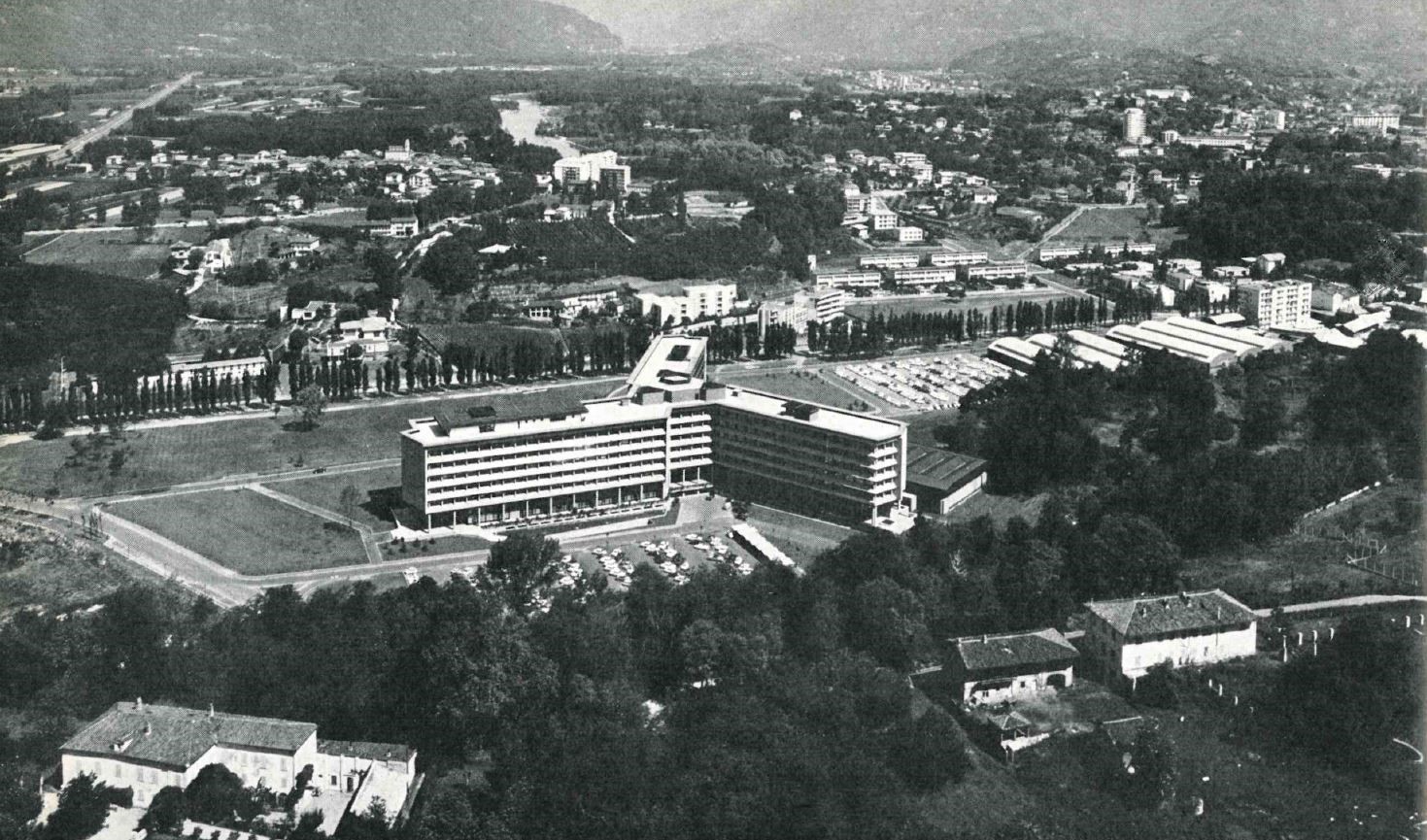
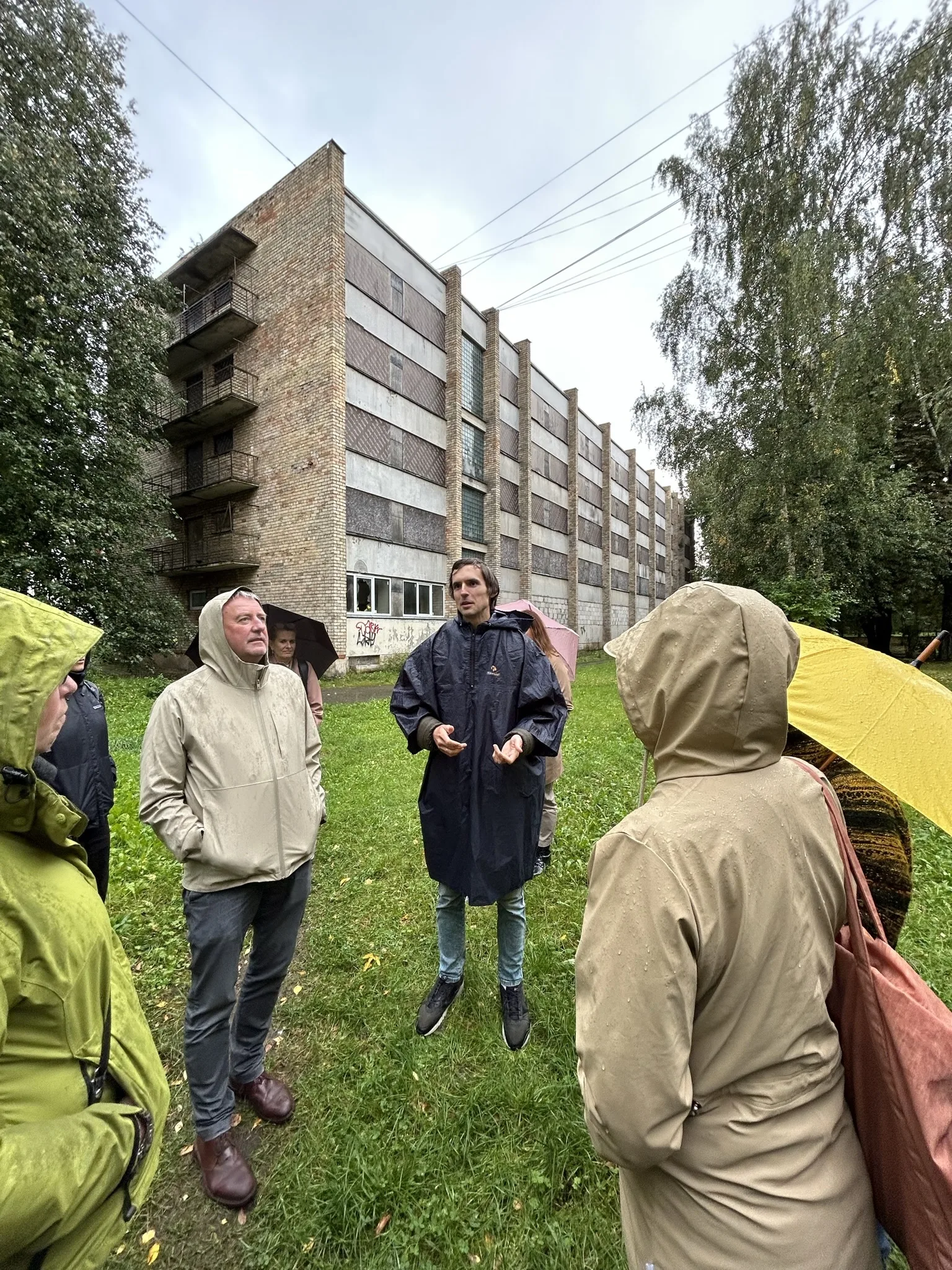
As part of EU funded project Desire, Riga municipality is focusing on the renovation of the Ziepju 11 housing block, a municipally owned Soviet-era apartment complex. Built in 1970 as a service hotel and later used as a shared house for different socially challenged people, the five-story brick and panel building has been empty since 2018. In 2018, the decision was made to rebuild it into a multi-apartment residential building.
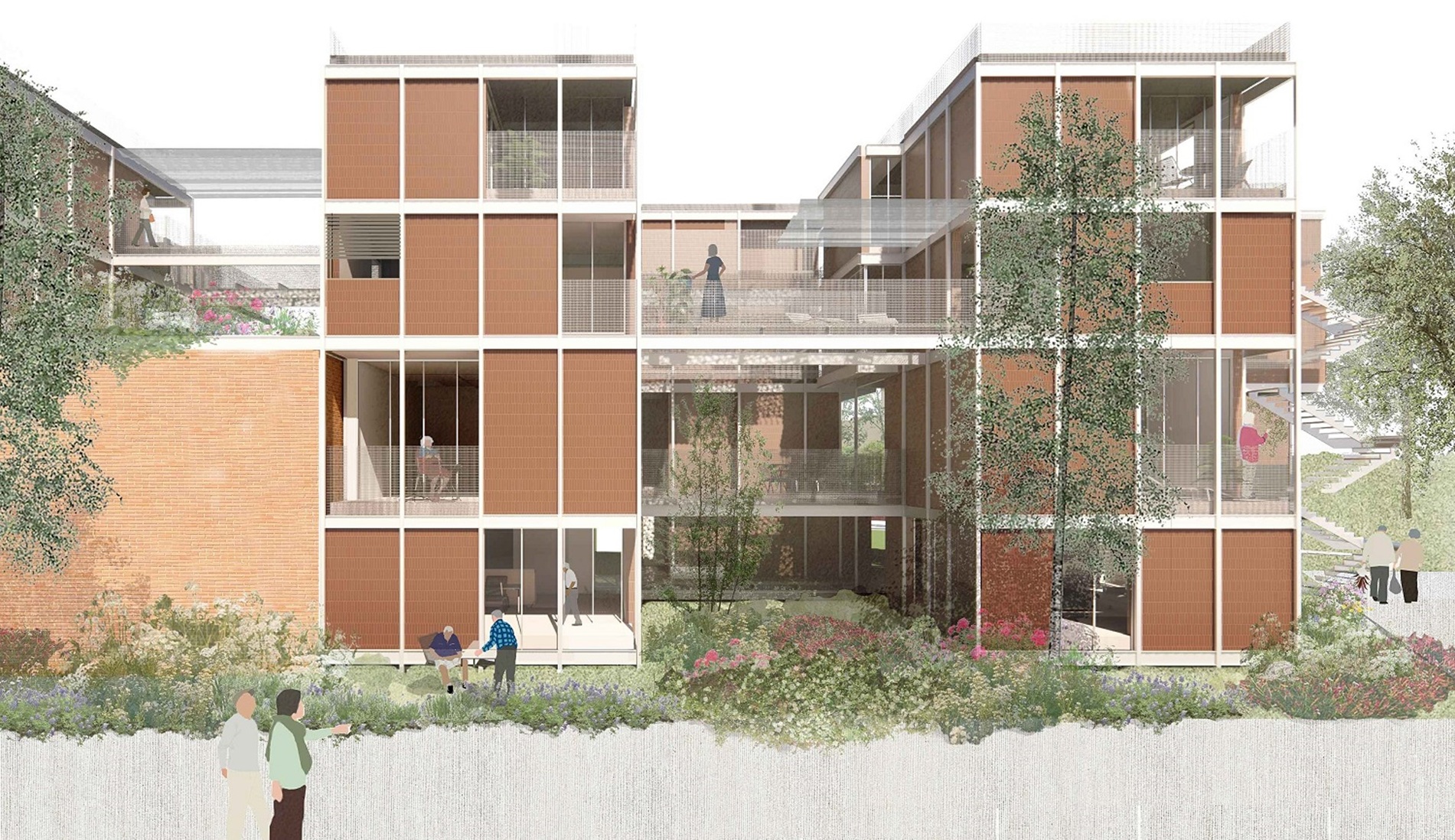
The project aims to transform a neglected building into an attractive residential building for social housing with two daycare centers for children and people with mental disabilities. It will serve as a model for the renovation of approximately 6,000 similar housing blocks in Riga, most of which are privately owned and in poor condition.
Within Desire, the site’s representatives chose to focus on the principles of aesthetics, biodiversity and belonging.
Story
Fostering and maintaining active citizens engagement to co-create an attractive green urban space
The project aims to encourage active citizen participation in the renovation process, which is a novel approach for Riga. The participatory approach is intended to change the community’s mentality from reliance on centralised systems to active engagement in creating their own living environment, and co-create an attractive, green urban space where people can be together.
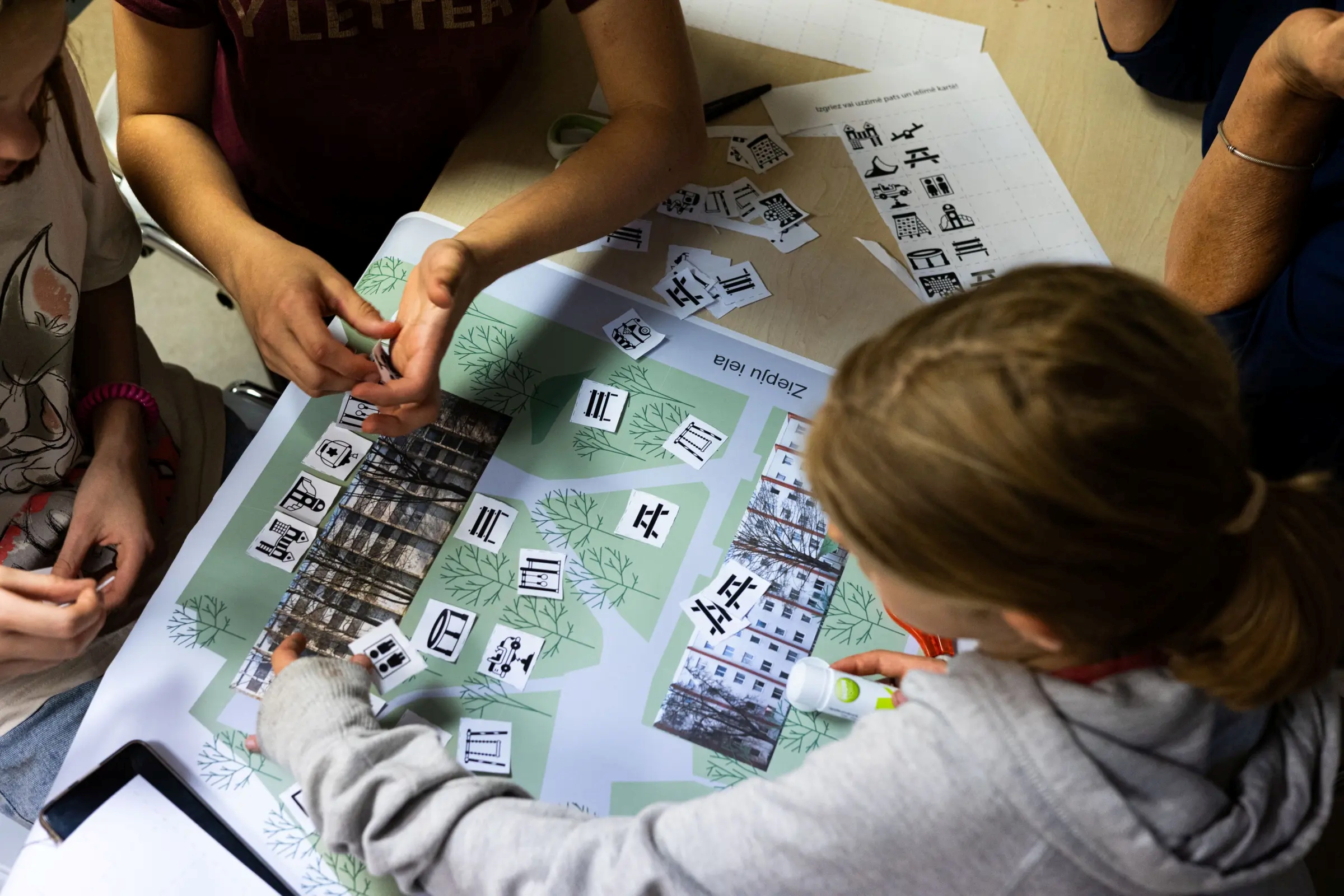
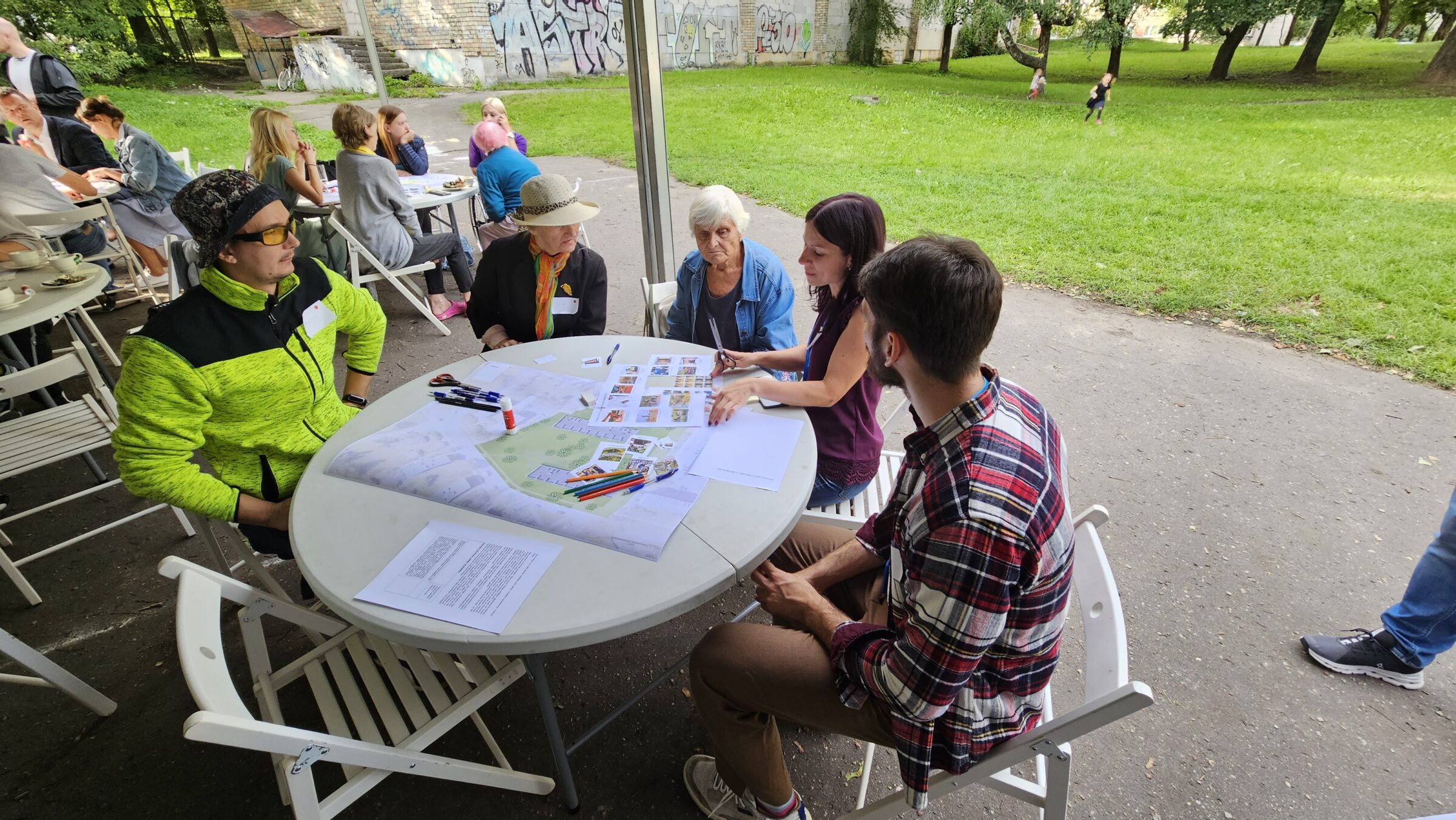
Workshops and meetings, surveys and questionnaires were used to gather detailed feedback, while visual aids such as maps helped residents visualise the proposed changes and contribute with ideas. Additionally, community engagement platforms were used for continuous communication with residents throughout the project.
To facilitate this process, two specific approaches developed by Desire were employed.
- Co-creation methodology for citizens with no prior experience of involvement
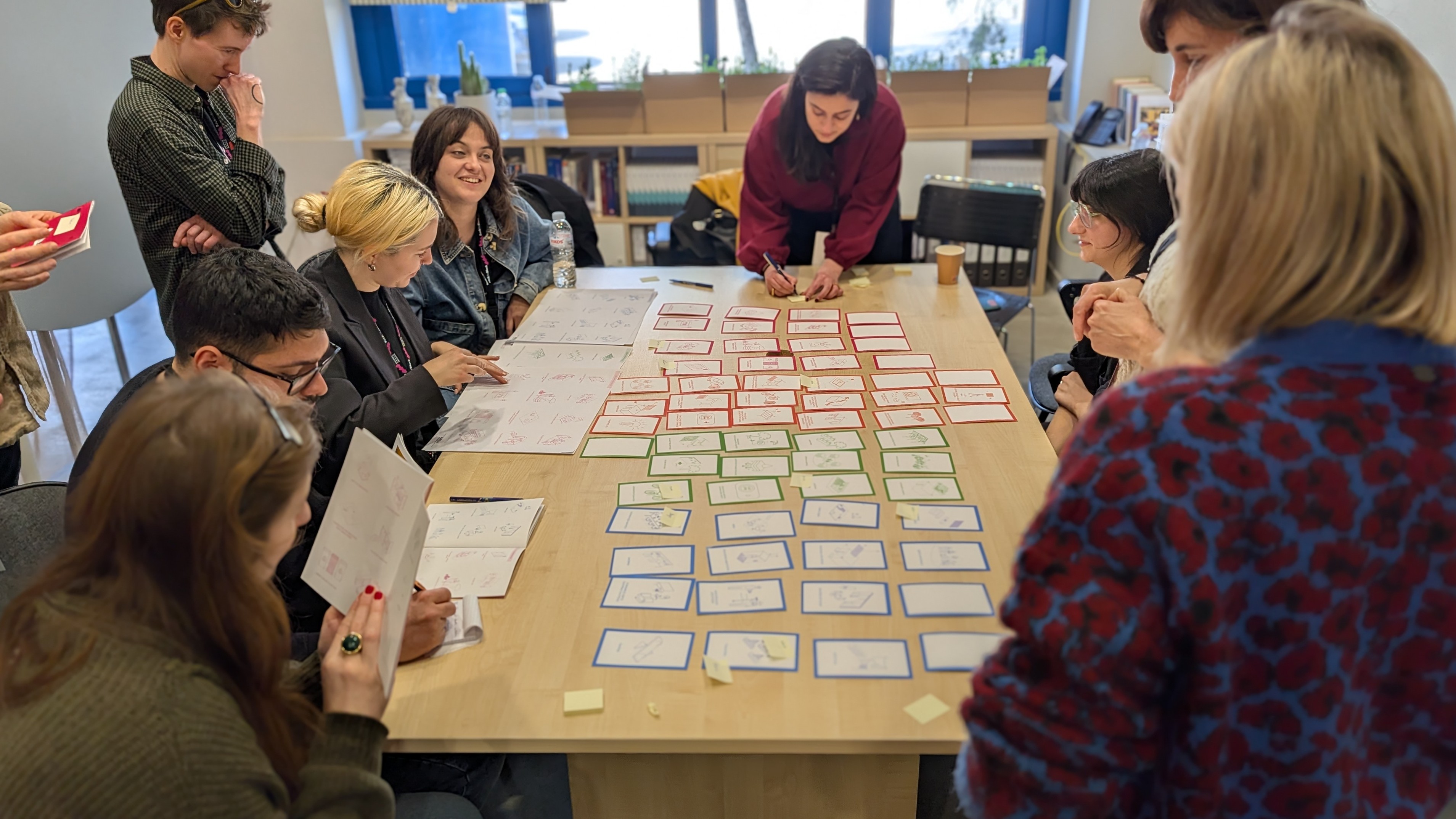
The municipality organised workshops for the residents of the neighbouring apartment block to ask them for ideas on how to transform the outdoor area. Children, young people, adults and older people all took part, although they had no prior experience of becoming involved.
These workshops have demonstrated that residents are willing to participate and provide valuable insights when given a voice, fostering a sense of ownership and responsibility. Discussions with stakeholders, including workers from a local daycare centre for disabled individuals, also enabled to reveal concerns regarding accessibility. For instance, pavement raised issues for wheelchair users, while the need for consistent environmental arrangements was critical for residents with mental disabilities.
- Outdoor space mapping
Outdoor Space Mapping is a tool developed by Desire and employed to engage citizens in envisioning how the outdoor space of a local site could look like. Workshops using outdoor space mapping were held to collect visual and auditory resident input and facilitate discussions about the renovation plans. These plans were crafted based on the discussions and workshops with the various stakeholders to ensure that their diverse perspectives – ranging from children to seniors – were considered. All plans were finally combined into one ‘concept plan’.
In addition, a procurement process was initiated to engage designers for the redesign of the building and surrounding areas. Six designers applied, expressing interest in revitalising the complex. However, the process faced delays and communication challenges, particularly in conveying the intricacies of the procurement format to the various stakeholders. Nevertheless, the activities related to procurement have brought significant benefits. The co-creation of the new procurement format in close collaboration with various municipal and NGO parties—such as the Riga Energy Agency, the Department of City Development, the Association of Latvian Architects, and others—has already been a great achievement. The establishment of this new network may ultimately prove to be even more valuable in generating future procurement ideas than the current procurement itself.
Lesson learnt
Strong and lasting stakeholder support and engagement needed from the outset
The project has highlighted several key learnings and reflections.
- Overcoming initial scepticism required persistent engagement and demonstrating the tangible benefits of the renovation. The active involvement of residents in the design process led to innovative ideas and a stronger sense of community ownership.
- Clear, consistent communication was essential to build trust and encourage resident participation, addressing concerns and providing regular updates on the project’s progress. Changing the deeply ingrained mindset of reliance on centralised services to one of proactive community involvement was challenging but
achievable with persistent effort. - It is also key to keep stakeholders committed throughout the project’s duration. Engaging stakeholders in the project idea, aligning goals, and maintaining focus are essential, especially as priorities may shift with each year's budget.
- Additionally, challenges emerged when trying to communicate the new procurement format to different stakeholders such as municipality departments, lawyers, and designers.
Impact
The intervention at Ziepju street 11 in Riga has already had an impact and is expected to generate further changes, both at institutional and citizens' levels.
At institutional level, a new procurement format has been tested and already created an impact by showcasing how ‘procurement through dialogue’ incorporates an innovative approach for the development of physical spaces and infrastructure. The development of the new procurement format was done through co-creation, involving local agencies and NGOs, and for Riga City Council the establishment of this network created so much value that it may even exceed the potential value of procurements in the future. It also impacts the ambition to move towards procurements based on other parameters than the lowest price which was the case when Desire started. Further, the tested approaches in Desire influenced the update of the Riga Housing Policy, pointing to a potential broader policy impact in the future.
At citizens level, the co-creation workshops with social housing residents, children and people with mental disabilities had an important effect on overcoming the Soviet-rooted mentality of passive citizenship. Building relationships with the representatives of local authorities and with other local citizens created trust and recognition across the community. It also sparked a shift in perspective towards community-building and self-governing and led to a belief that even in relatively disadvantaged social housing conditions in Riga, the formation of vibrant local community is possible. For Riga City Council, the engagement of local residents offered insights that informs their future perspective on how to design physical and social spaces to promote sustainability, belonging and active citizenship.
The DESIRE project (Designing the Irresistible Circular Society) was funded by the Horizon Europe programme.