drOp Integrated Methodology for Neighbourhood’s Renovation (IRM)
Regenerate social housing into inclusive smart districts via phased transformation
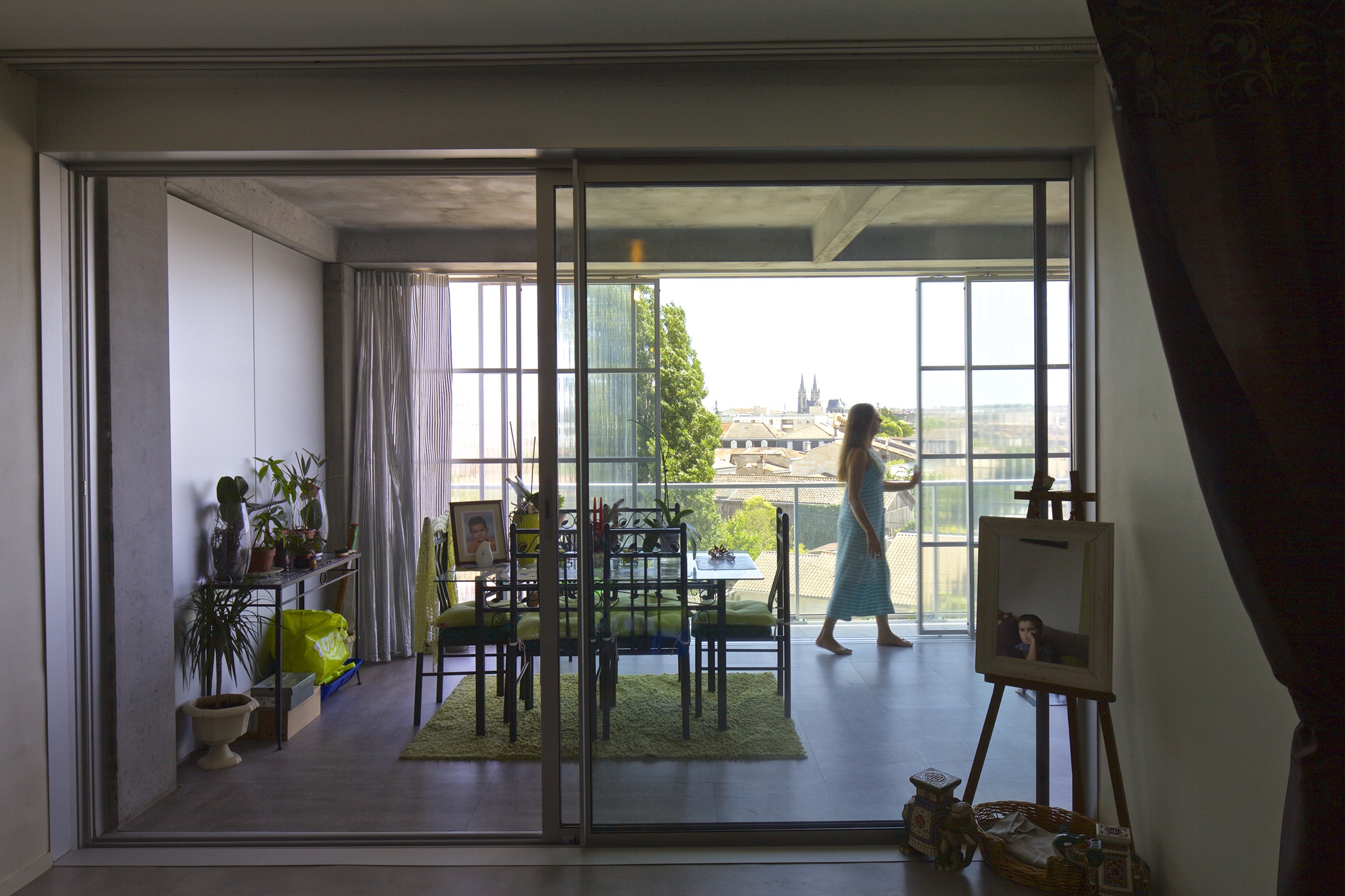
Credit: drOp project

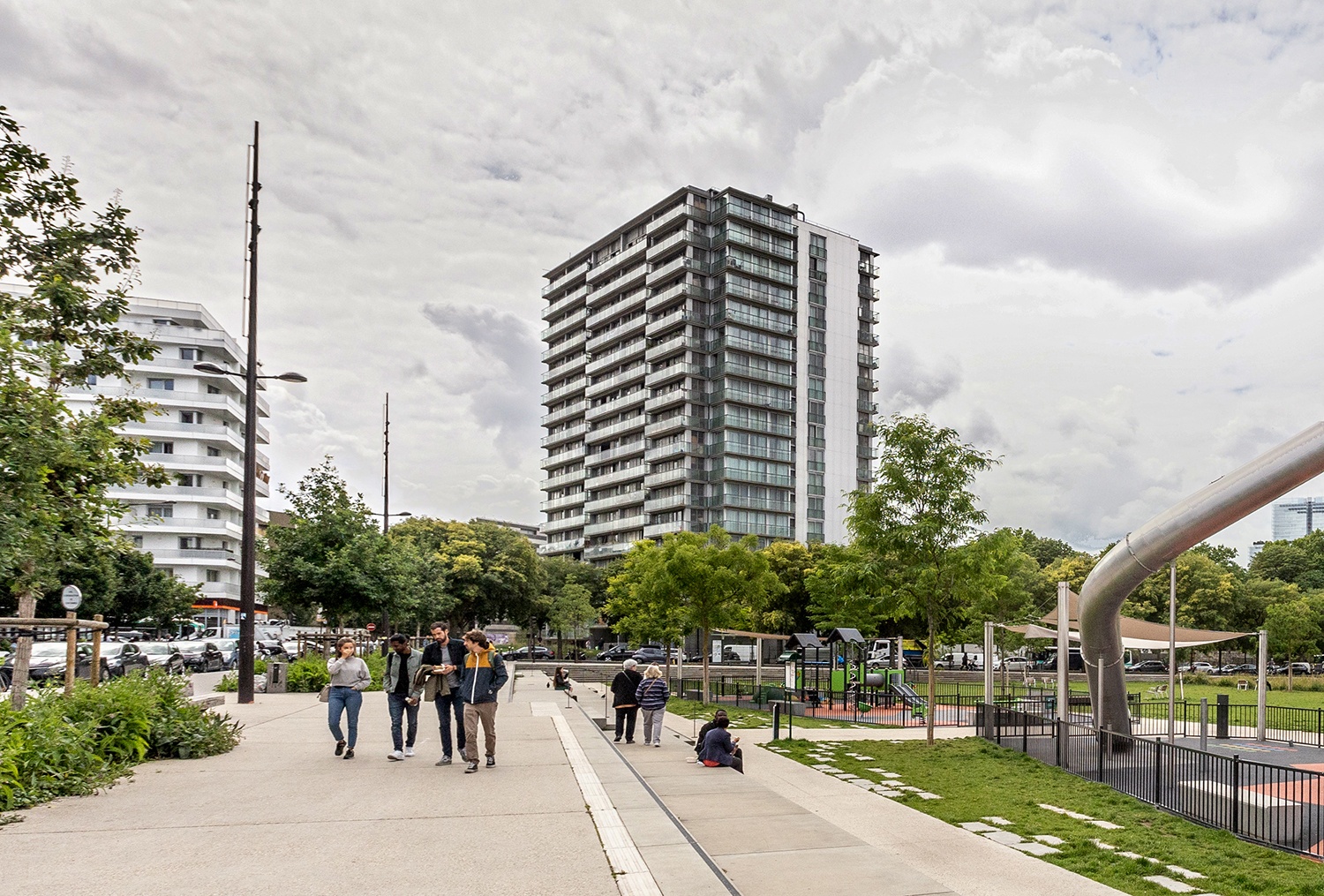
Credit: drOp project.
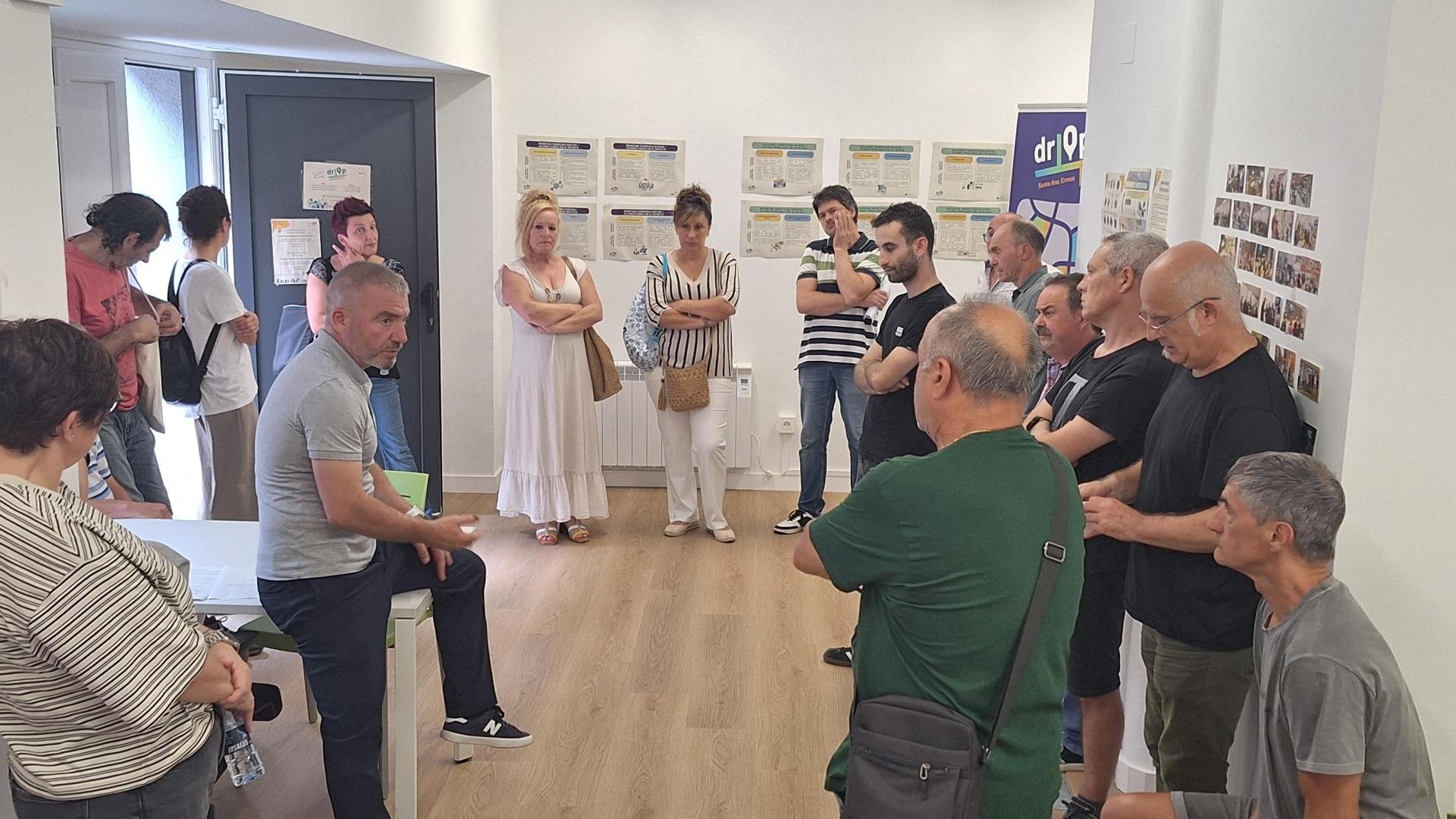
Credit: drOp project.
Resource
Context
The IRM developed in drOp wants to support cities in the regeneration of their neighbourhoods
drOp – short for Digitally enabled social district renovation processes for age-friendly environments driving social innovation and local economic development – is a Horizon Europe initiative that developed a holistic renovation approach to turn ageing social housing districts into inclusive, smart neighbourhoods.
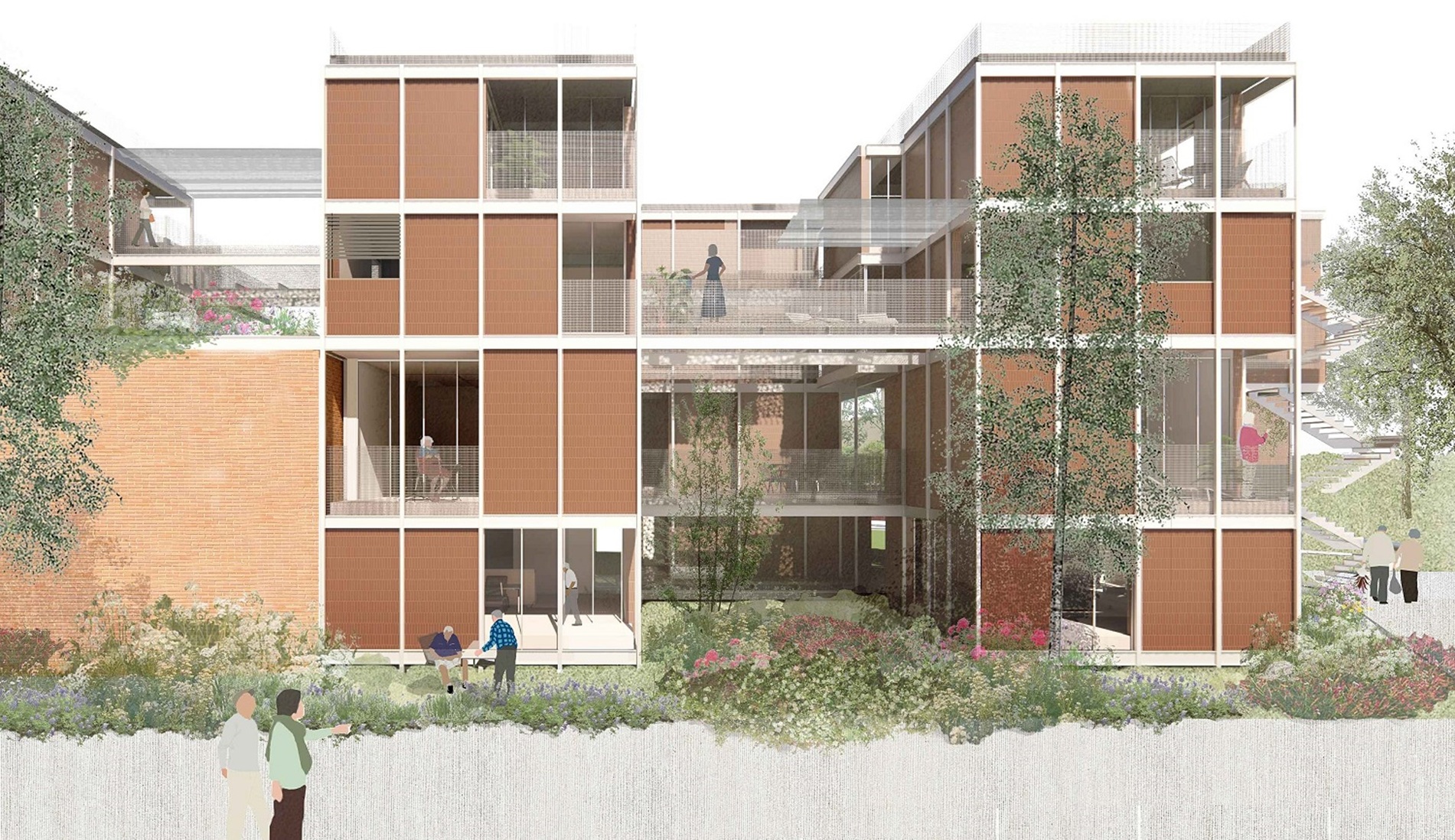
At the centre of this journey lies the creation of what we call the Integrated Renovation Methodology (IRM). This methodology tackles these challenges of social housing districts focusing on the constructive, energy and digital updates of neighbourhoods. The objective is to improve the urban space, accessibility, and quality of life for all the residents, and to guarantee the connectivity of these neighbourhoods in the physical, social, and digital areas.
Our methodology adopts an integrated approach: social innovation and local economic development are key drivers of the IRM, while trends such as digitalisation and the rise of cultural and creative industries (CCIs) act as catalysts for transforming social housing districts.
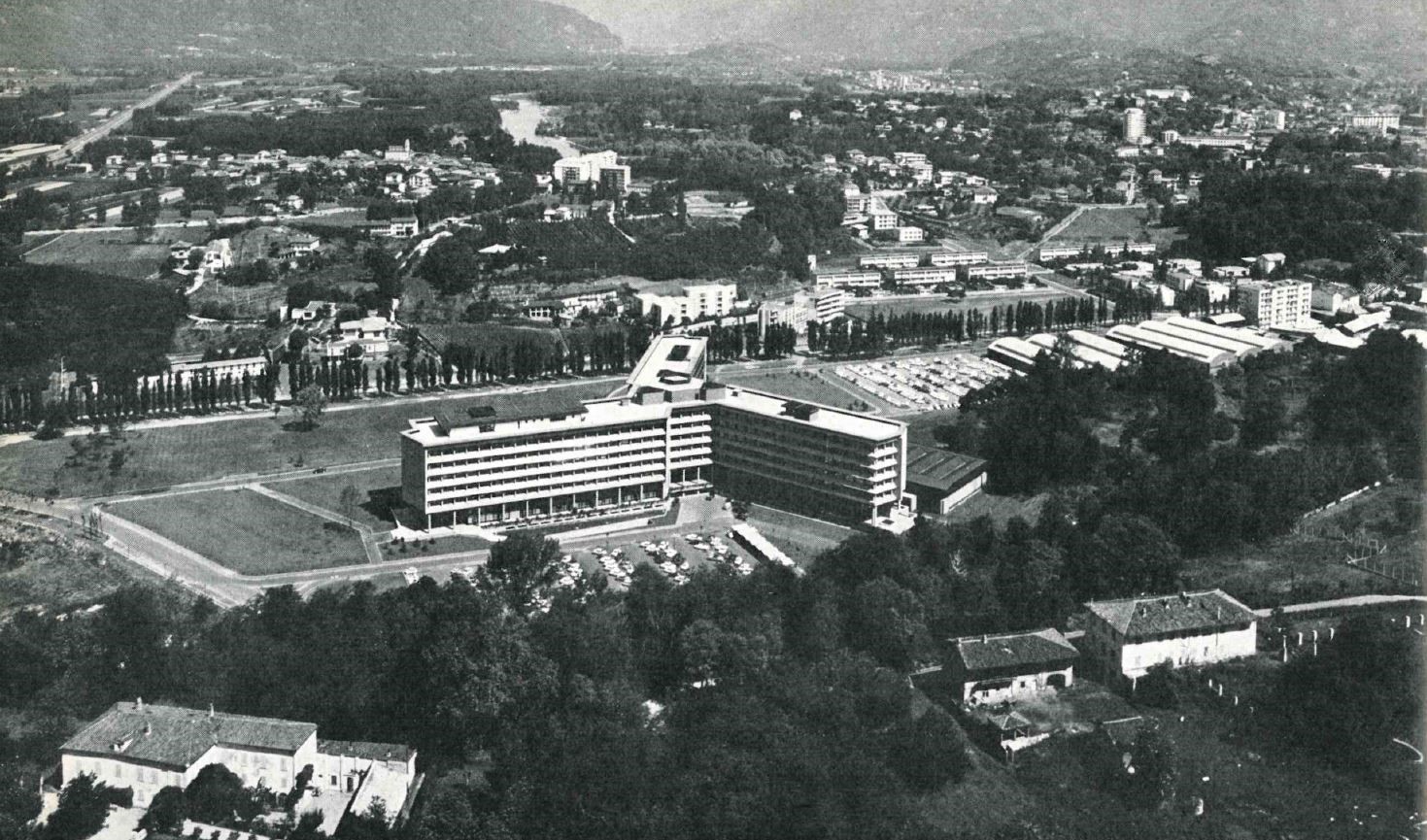
The methodology was successfully tested in a pilot in the Santa Ana neighbourhood of Ermua, Spain. Supporting and learning from this transformation were two peer cities: Matera, Italy and Elva, Estonia.
The resource in a nutshell
A multi-level methodology and guidelines for holistic transformation of social housing neighbourhoods
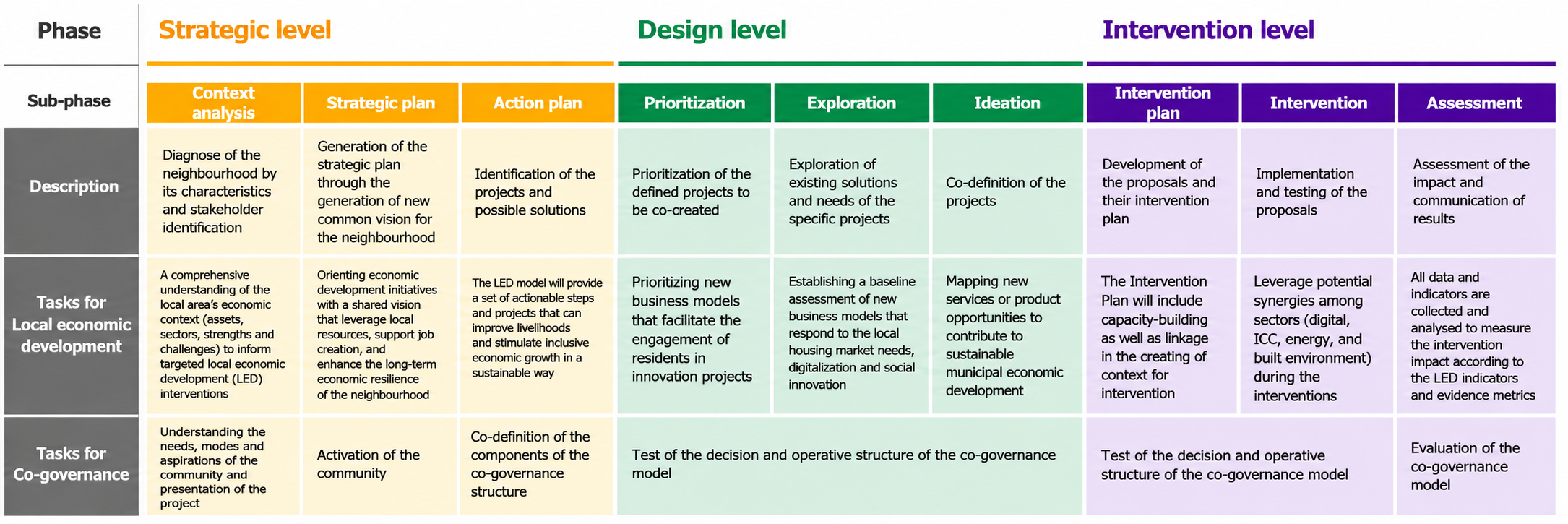
The Integrated Renovation Methodology (IRM) for Social Housing Neighbourhoods is presented as a guideline document designed to support cities in transforming vulnerable districts into inclusive, smart communities. It is structured around three interdependent levels:
- Strategic Level: Defines the long-term vision, maps stakeholders, and prioritizes challenges and opportunities.
- Design Level: Focuses on co-creating solutions, feasibility studies, and developing innovative business models.
- Intervention Level: Plans and implements actions, monitors impacts, and fosters cross-sector synergies.
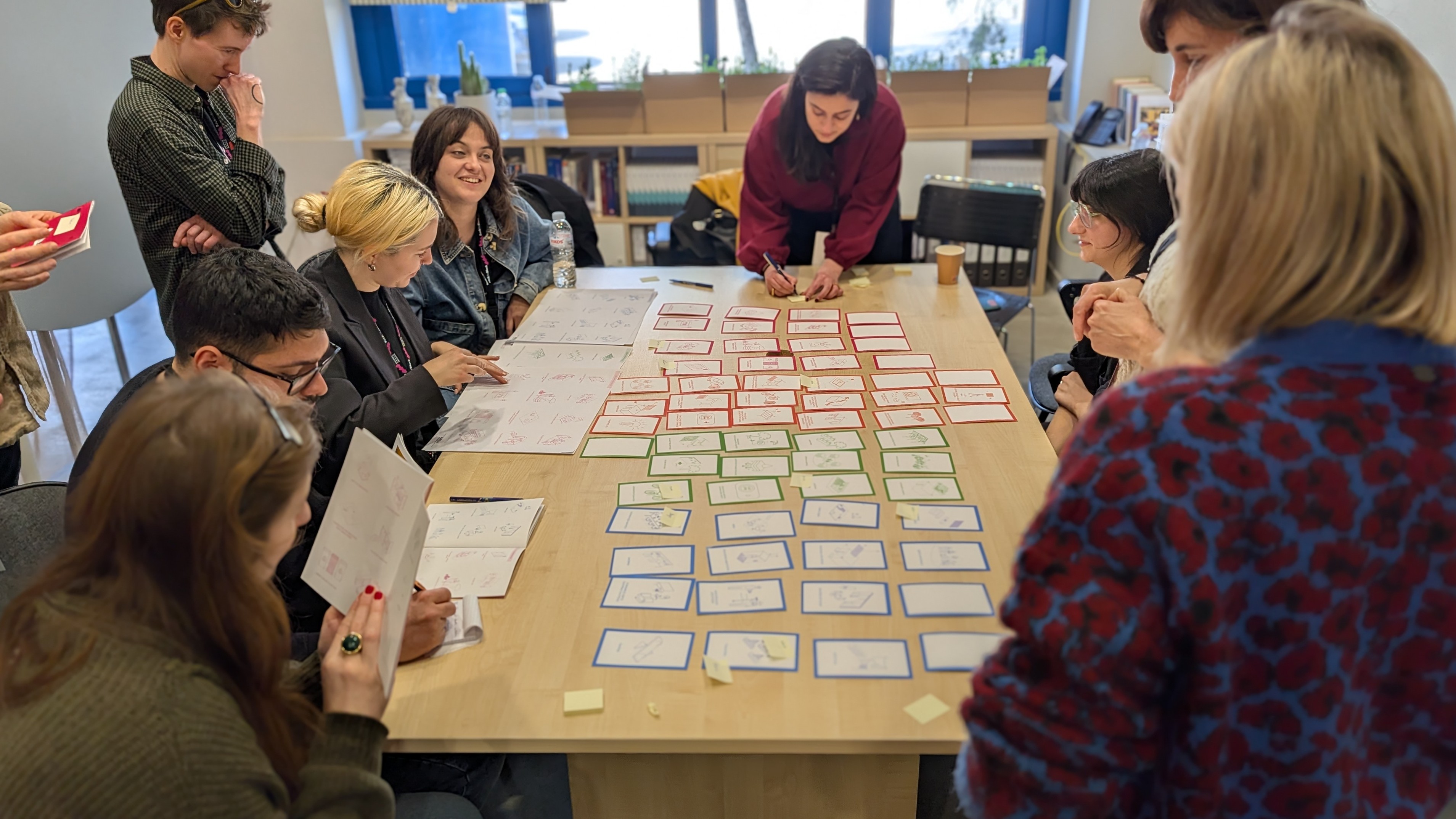
The IRM adopts a co-creation approach, ensuring active involvement of residents, public authorities, private actors, and social entities at every stage. It serves as a practical roadmap for neighbourhood regeneration, producing outputs such as:
- Strategic frameworks for revitalisation, including innovation domains like housing renovation, participatory public spaces, and social engagement.
- Action plans for energy efficiency, accessibility, and digital transformation (e.g., IoT-based smart district solutions).
- Impact assessment tools for evaluating social and economic progress.
A city can use the IRM to implement energy-efficient retrofits or deploy digital platforms for citizen participation. Potential users include municipal administrations, urban planners, NGOs, and neighbourhood associations. While applied at the neighbourhood scale, the methodology aligns with city-wide strategies for sustainable urban development.
The replication of the IRM is supported by a Replication Roadmap. This Roadmap provides an easy-to-understand overview of methodologies (what they do and why they are useful), present how these methodologies were actually applied in real life contexts, and collects the lessons learned as well as tips and tricks from the participating cities. It features many photos from the project’s activities and outputs, and is also available in Spanish, Basque and Estonian.
The drOp project was funded by the HORIZON EUROPE programme.