Geodesic Dome Housing: Sustainable Modular Living
Eco-friendly dome homes for energy-efficient and affordable housing
Credit: geodesic.life
Credit: geodesic.life
Credit: geodesic.life
Resource
Context
Addressing affordable housing and environmental impact through alternative construction models
The construction sector is a major contributor to global carbon emissions and resource consumption, while access to affordable housing remains a growing challenge worldwide. Conventional building methods often rely on material-intensive processes, generating waste and limiting accessibility due to high costs.
Geodesic.Life, a Ukrainian deep-tech construction startup, responds to these dual challenges by proposing a new housing model combining affordability, sustainability, and efficiency. The project builds on the biomimetic principles of geodesic architecture, known for its structural strength and material efficiency, to rethink how homes can be designed and constructed.
The resource in a nutshell
Deep-tech parametric platform and modular dome system for low-emission living
Geodesic.Life offers a comprehensive design-to-manufacturing platform and a prefabricated housing system based on geodesic dome structures. By integrating proprietary parametric software, Geodesic.Life automates the engineering of complex, non-linear dome geometries, generating production-ready CNC files instantly.
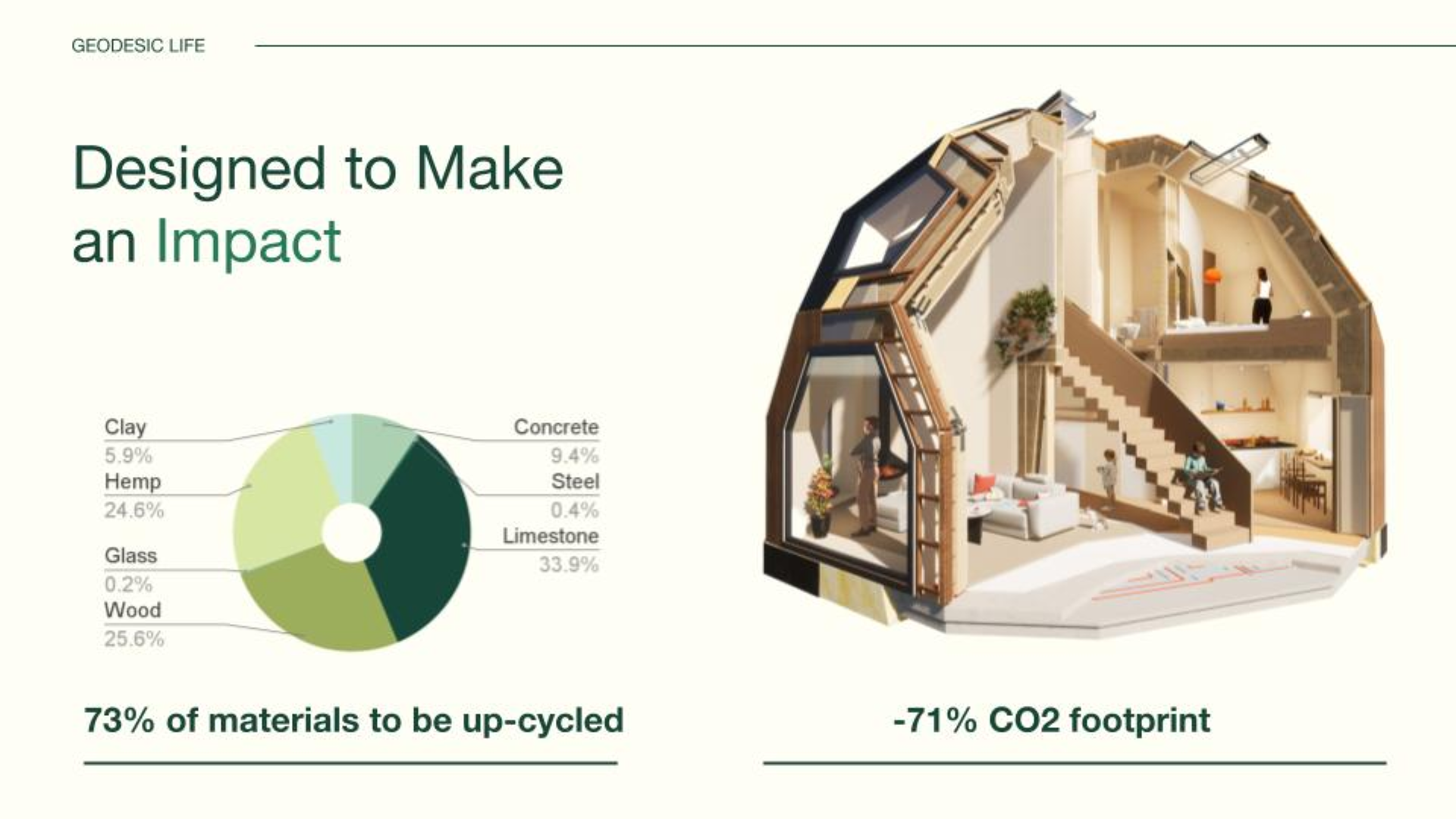
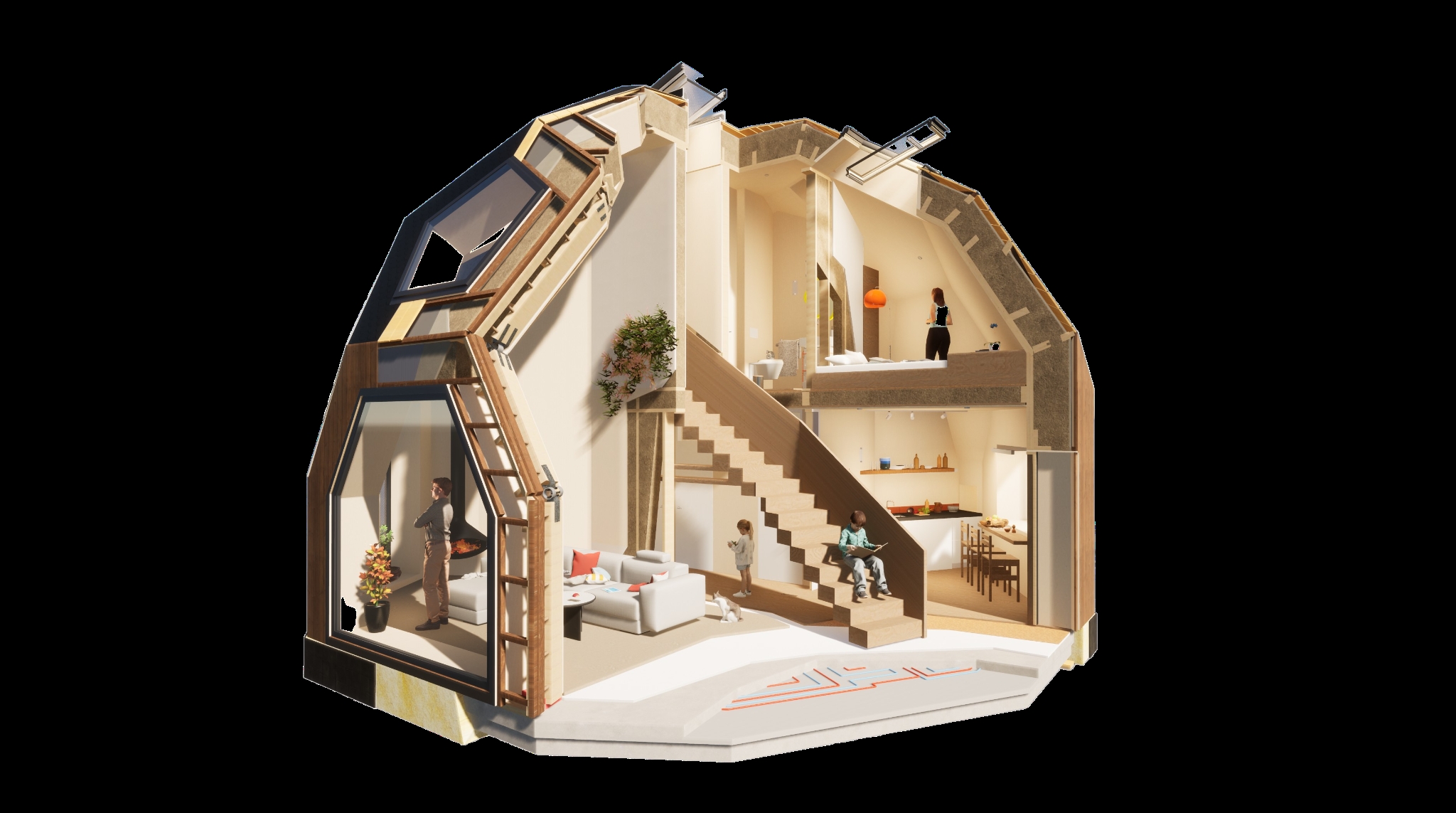
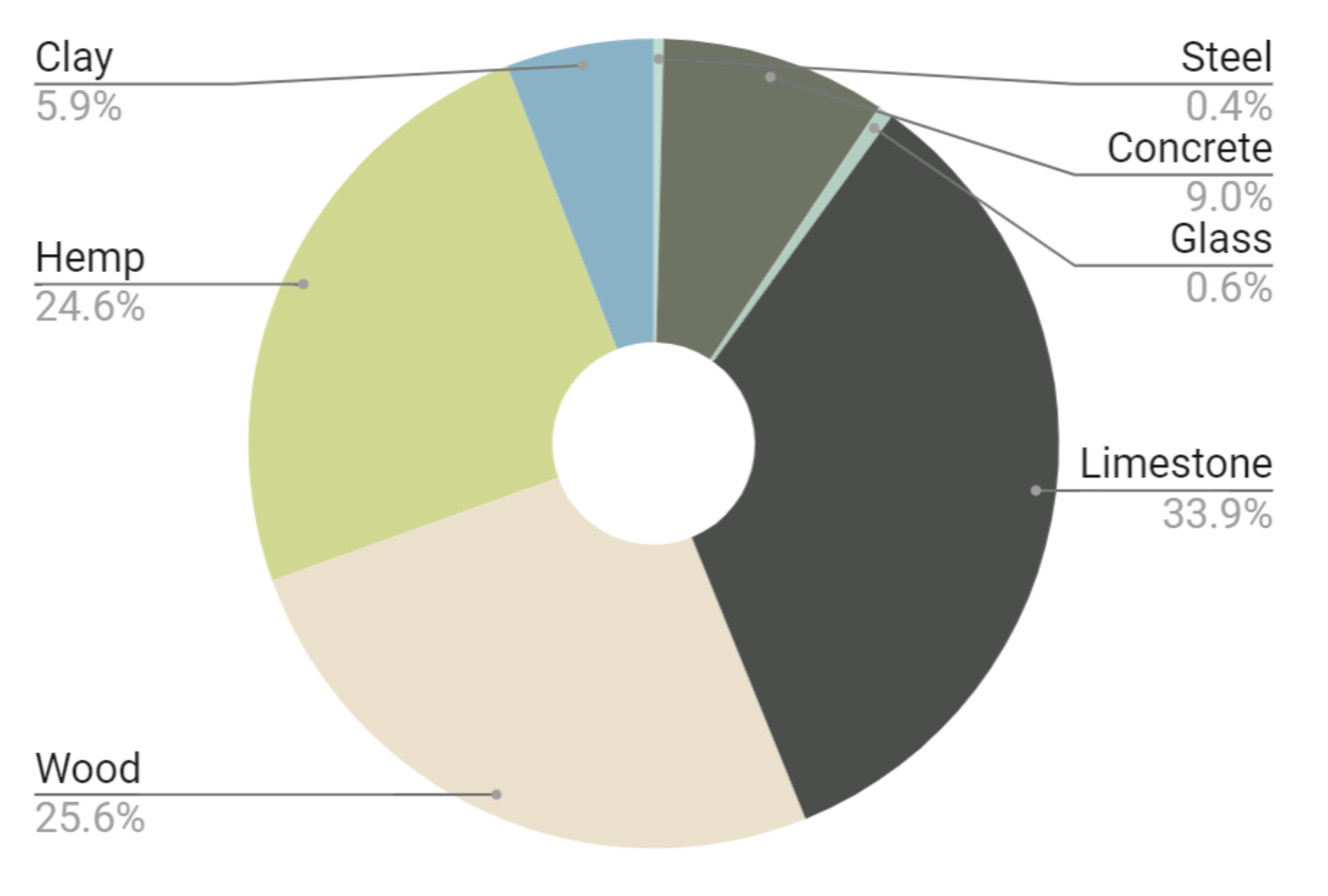
The physical building system utilizes a patent-pending, all-wood click-assembly joint, Cross-Laminated Timber (CLT), and regenerative hemp-lime insulation. This unique geometry allows for optimal distribution of structural forces while minimizing the amount of construction material required.
Compared to conventional buildings, the dome structure uses up to 33% fewer materials and energy, and achieves a 71% lower CO2 footprint.
The homes are manufactured as modular units and assembled rapidly on-site from the inside out, without the need for heavy external cranes, significantly reducing construction time and costs. This scalable prefabrication approach can be used for a variety of contexts, including affordable housing developments, rural revitalisation projects, eco-tourism, and modular community hubs.
The Geodesic.Life project was supported by the EIT Community NEB under the NEB Booster 2.0 programme in 2023.