De Korenbloem: A care campus that blends into the neighbourhood
Reimagining collective living for people with early dementia, stroke-related disabilities and somatic disorders
Credit: Stefan Müller
Credit: Danko Stjepanovic
Credit: Stijn Bollaert
Case Study
Context
Sint-Janswijk, one park and two villas to create a home for vulnerable residents
Across Flanders, the population aged 65 and over will rise from 18% today to 28% by 2050. To meet the needs of this ageing population, 300,000 extra dwellings must be built.
Meanwhile, people with early-onset dementia, stroke disabilities and somatic disorders are often placed in isolated institutions, cut off from society. Traditional care models tend to prioritise safety over social contact, worsening isolation.
In 2012, the Flemish Government Architect and the Minister for Welfare launched a call for innovative care infrastructure. Five interdisciplinary teams were selected. De Korenbloem was one of these "Pilot Projects for Invisible Care".
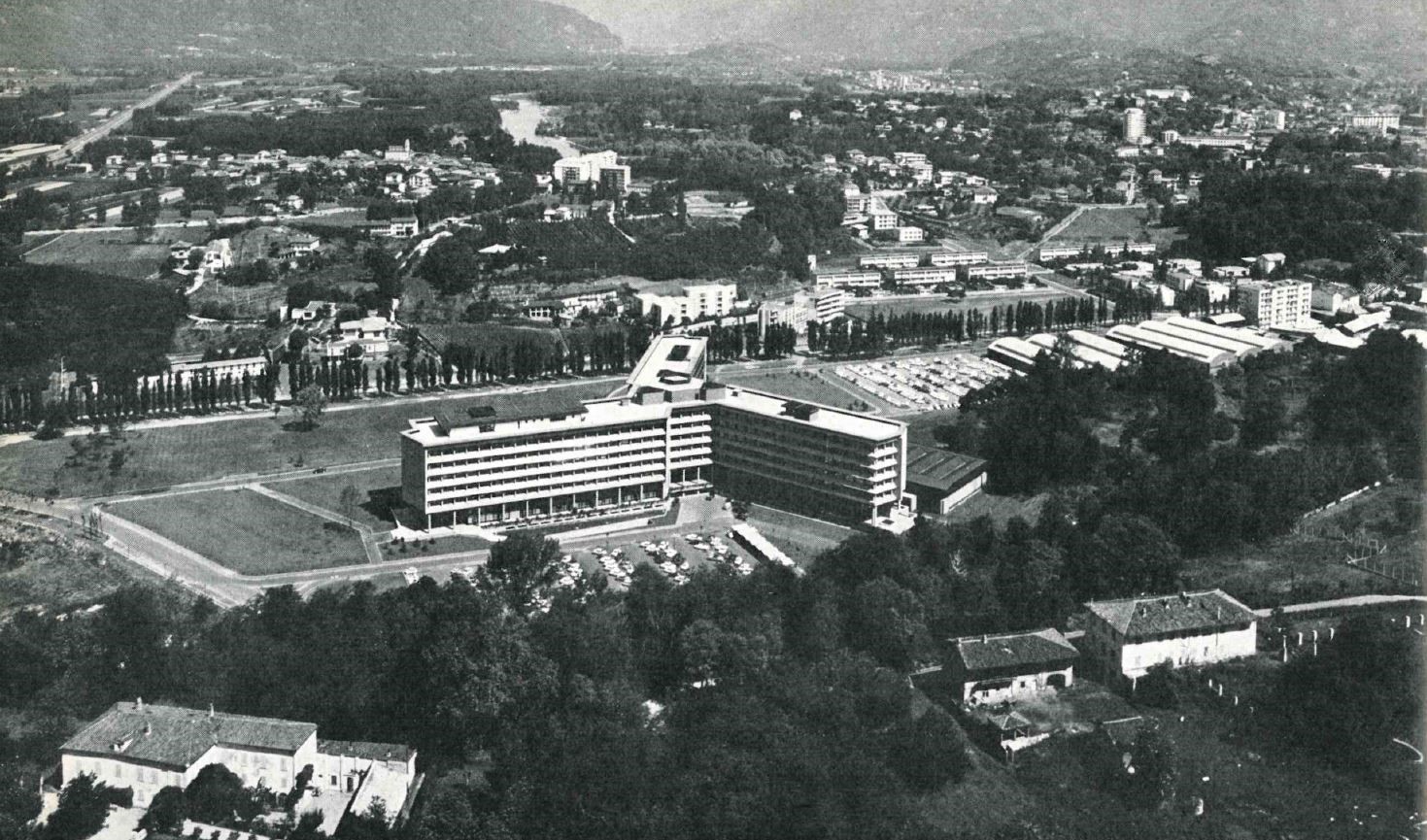
The site chosen is Sint-Janswijk, a residential neighbourhood just east of Kortrijk city centre. It sits between two residential areas with different social and ethnic mixes. At the very heart of the district lies an old park with two historic villas, one art-deco, one neo-classical.
The site was selected for its potential to transform an old park into a shared space, bridging two neighbourhoods while offering an alternative to institutional isolation.
Story
Reimagining collective living for vulnerable people, with home-like housing and shared community facilities
What if care facilities stopped hiding from the neighbourhood?
That was the question behind De Korenbloem. Traditional care models lock residents away for their own safety. But safety without social interaction accelerates mental decline. For people with early-onset dementia, stroke-related disabilities or somatic symptom disorders, losing connection to the outside world means losing pieces of themselves.
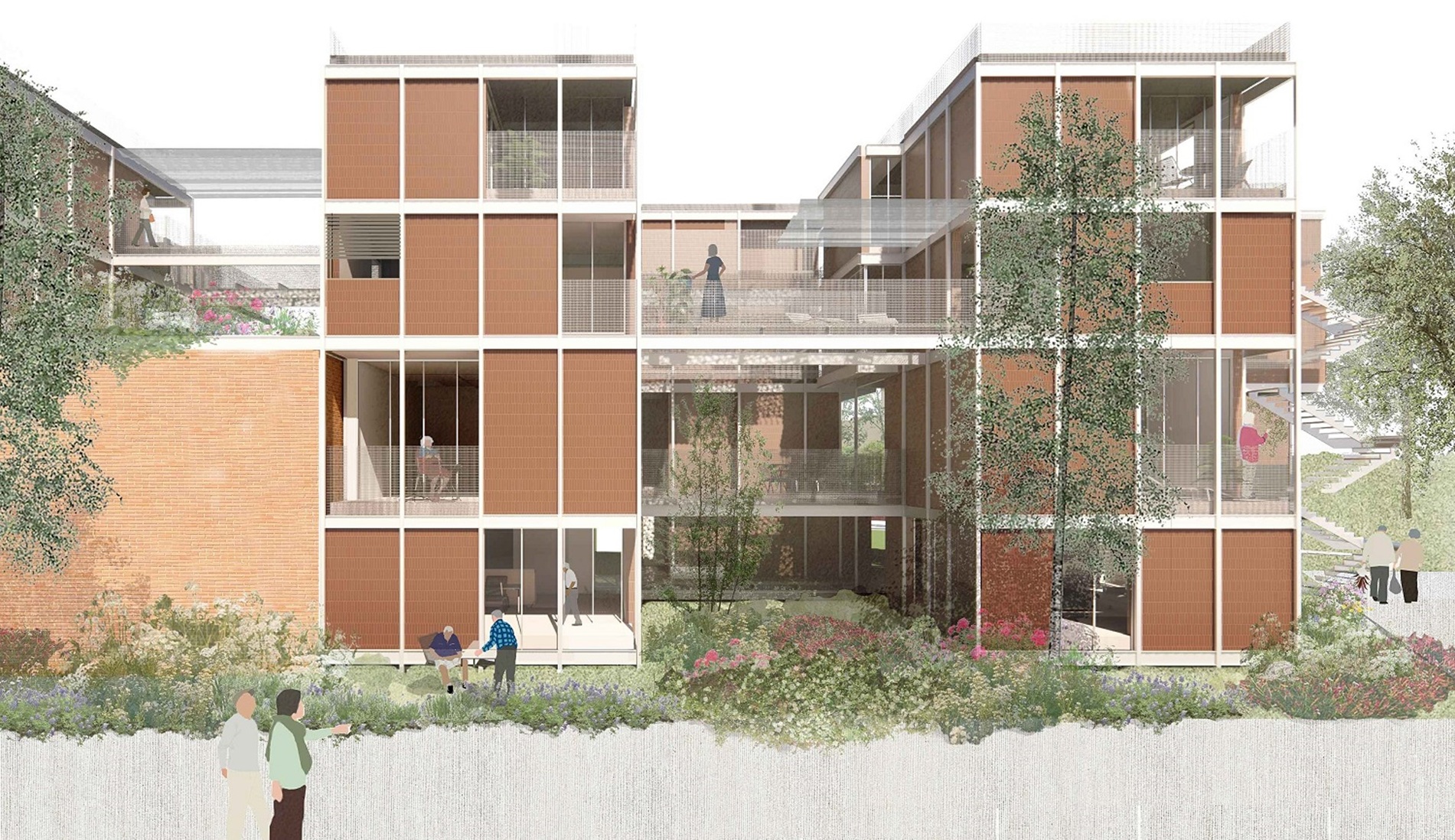
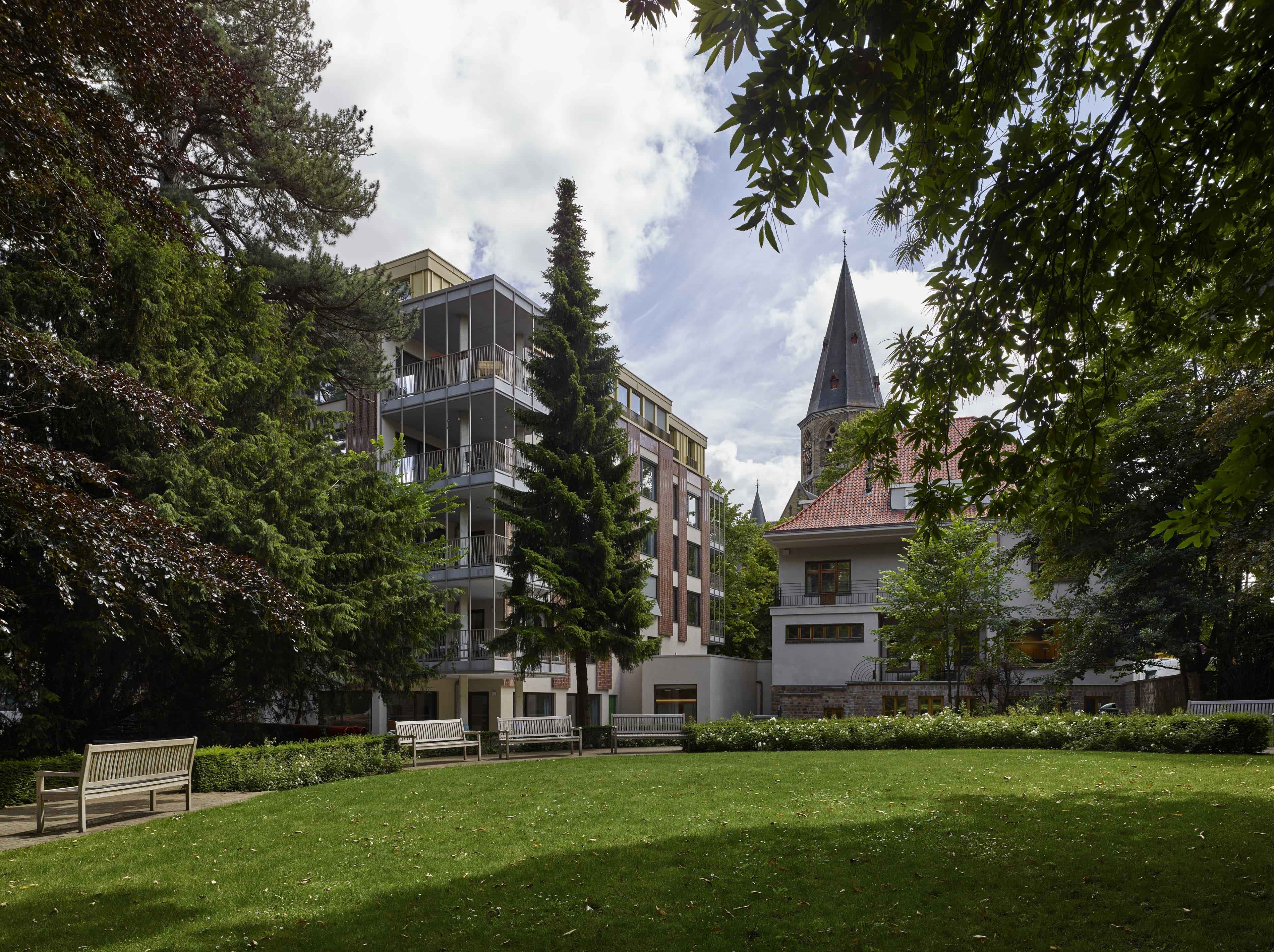
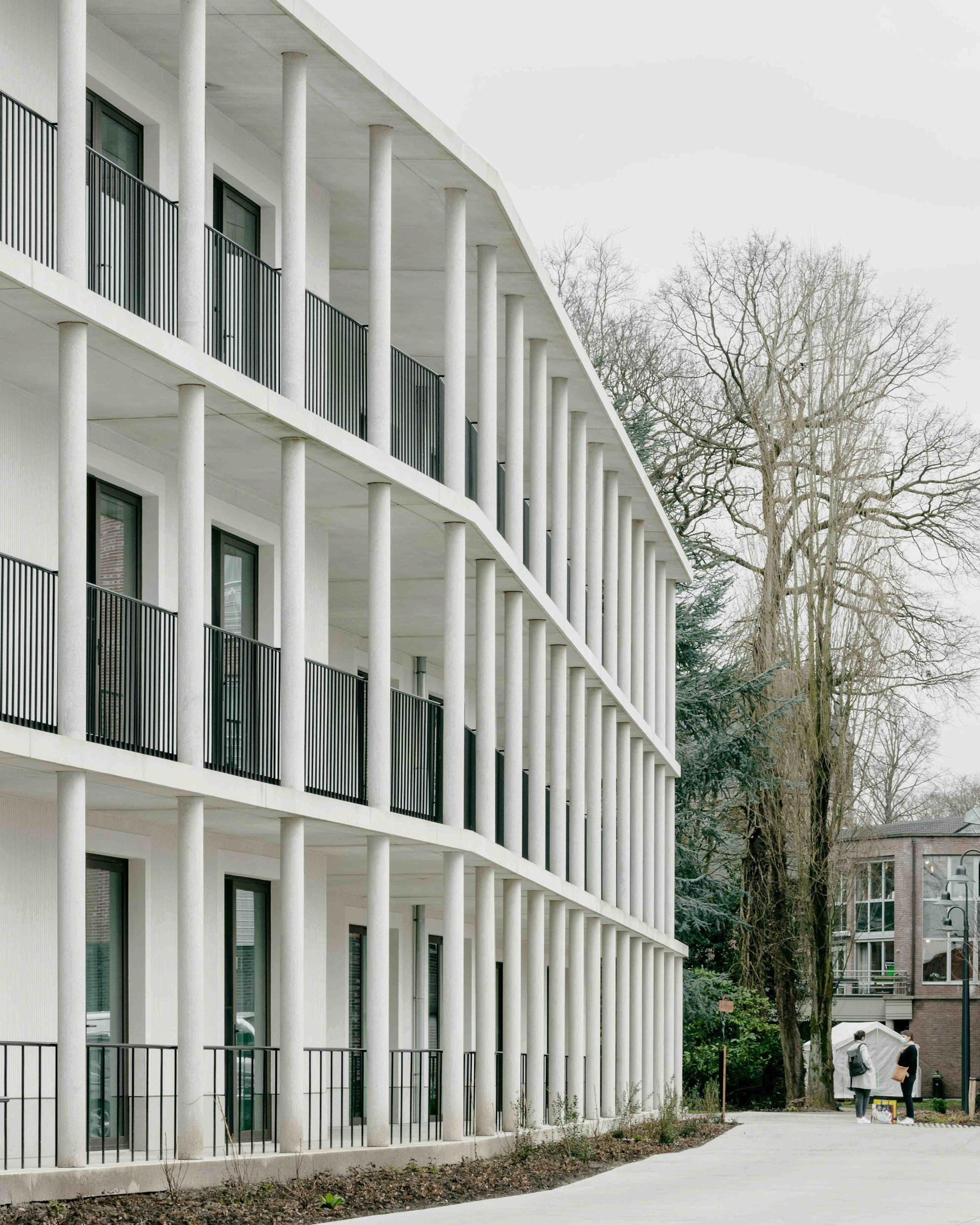
The architects behind the project took a different path. Sergison Bates and Studio Jan Vermeulen (with Tom Thys) each developed a masterplan around one of the two existing villas, one art-deco and the other neo-classical, both of which had stood empty for years. Instead of demolishing them, they made them the heart of the campus. The villas now host a day-care centre and neighbourhood services, with dozens of new residential units.
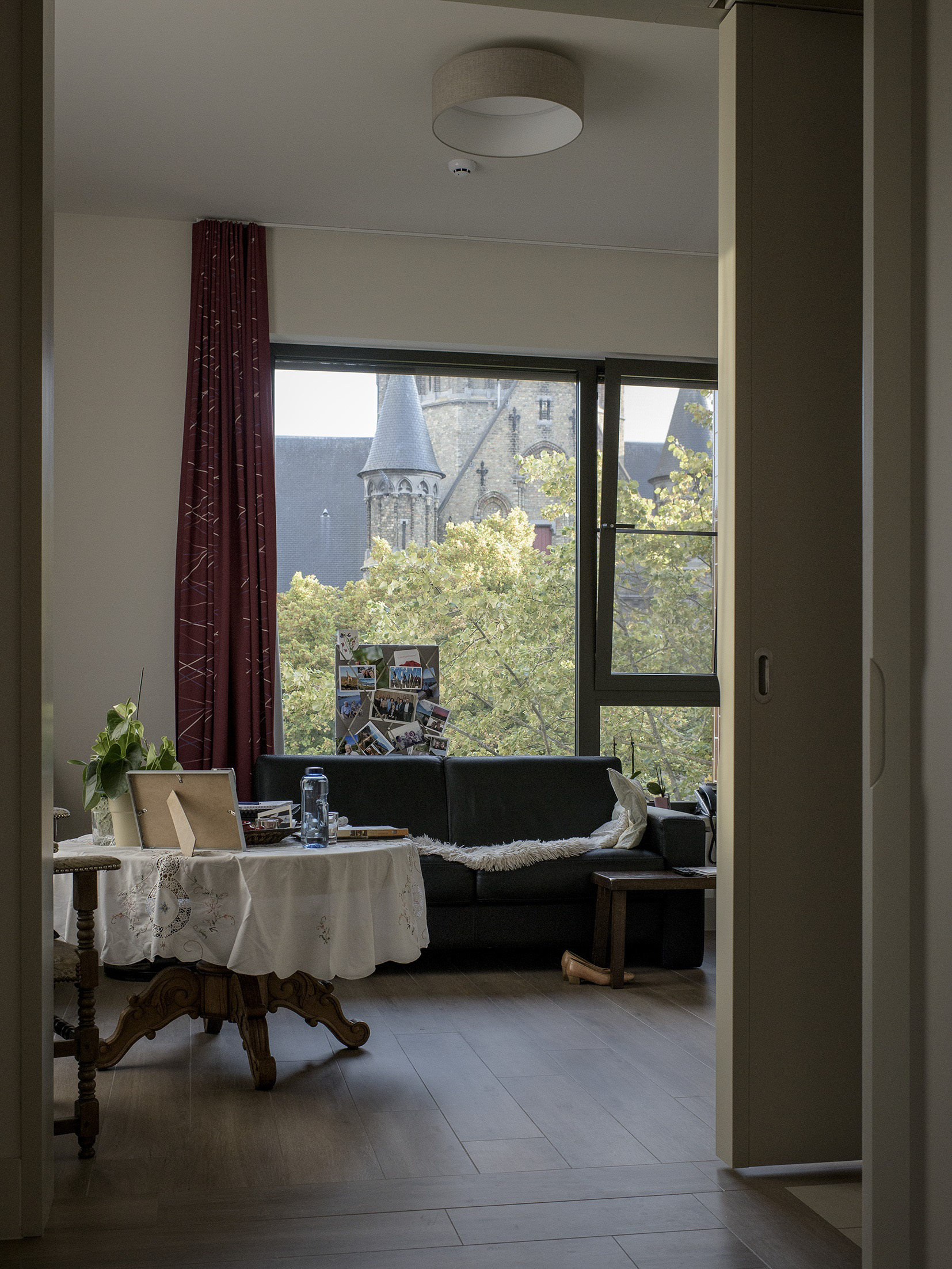
The interior design follows a concept called "small worlds". No long corridors. No institutional feel. Rooms flow into one another, creating a sequence of intimate, recognisable spaces. For someone with dementia, this is not just architecture. It is orientation, it is safety, and more importantly: it is home.
The campus opened in 2021, covering 9,780 m². More than a building project, De Korenbloem offers a new model: care without isolation, architecture without walls, and a neighbourhood that welcomes vulnerable residents instead of turning away.
Lesson learnt
Care campuses should open to the neighbourhood instead of closing themselves off.
Public meetings matter. Two were held: one when the environmental permit was submitted, another before construction began. These events helped present the project to residents and to the families of future residents. Trust was not built overnight, but visible progress and regular updates helped to make the difference.
Conversations with public authorities also proved essential. The planning department, heritage department, and city park department were consulted extensively. These discussions took time, but they resulted in practical outcomes: a new maintenance plan for the central park and the planting of 30 new trees to compensate for the new buildings' ecological footprint.
Another lesson concerned the villas themselves. Keeping them rather than demolishing gave the campus a familiar identity. The villas now anchor the site emotionally, not just physically. For cities or stakeholders interested in similar projects, this is a key recommendation: start with what is already there. Involve care professionals and families from the very beginning: their input on room layouts and daily routines is invaluable. And do not underestimate the power of small architectural gestures: a recessed entrance, a bench facing the street, or a garden open to the neighbourhood. These cost little but change everything.
Impact
Spatially, a park site with two historic villas has become a living campus. The existing buildings were renovated rather than demolished, saving resources and preserving local heritage. Thirty new trees were planted to offset the footprint of the new buildings.
Socially, the campus has created new connections. Residents with dementia, stroke disabilities or somatic disorders no longer live behind closed doors. They share the garden with neighbours. The day-care centre and community facilities in the villas are used by local residents, not only by families of patients. The two public events held during the permit and pre-construction phases helped build trust before the project was finalised.
Behavioural change is also visible. Families reported feeling welcome, not watched. The design of the "small worlds" (rooms that flow into one another without long corridors) helps residents with dementia feel oriented and safe. Recessed entrances and niches provide privacy without isolation.
Institutionally, the project served as a pilot for the Flemish "Invisible Care" programme. The Flemish Government Architect and the Ministry of Welfare selected five such projects to test new care models. De Korenbloem is now a reference.
Economically, the project did not aim to reduce costs but to demonstrate that quality care infrastructure can be built within constrained budgets. Reusing the existing villas avoided demolition and rebuild expenses, while the 30 new trees planted in the park represent a long-term investment in the neighbourhood rather than a one-off expense.
The De Korenbloem project has won the New European Bauhaus Prize 2022 under the category “Prioritising the places and people that need it the most”.