Why Language Matters in Climate Action
How defining a common vocabulary contributes towards collective understanding and engagement on climate issues
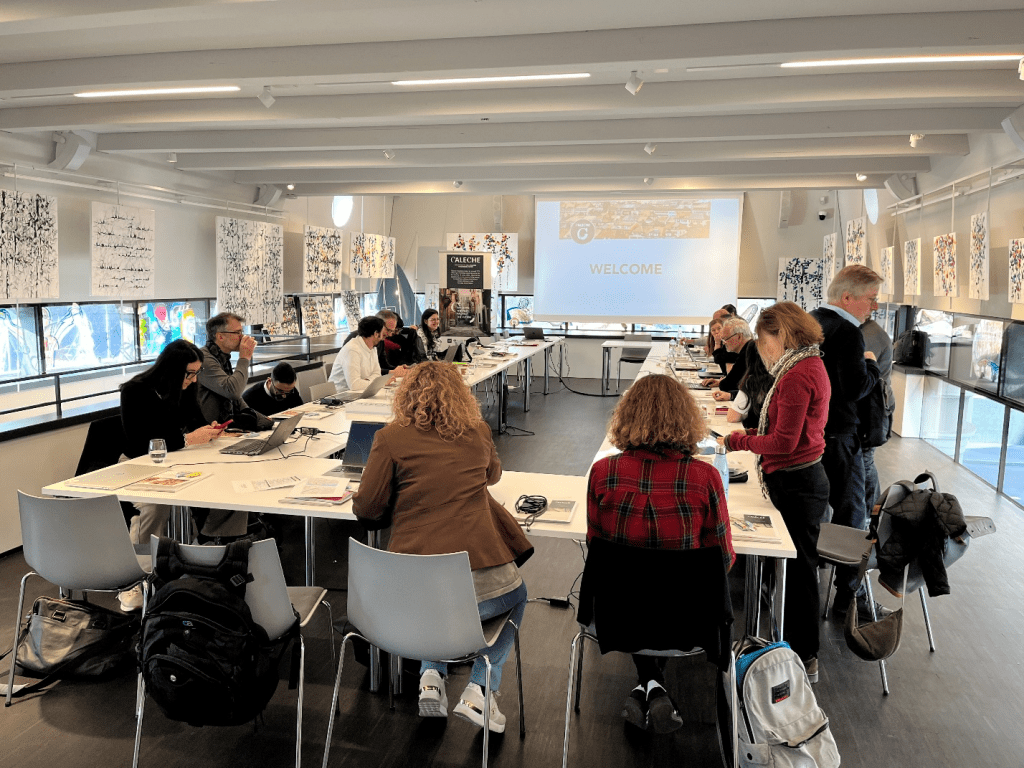
Credit: LMNT Consultancy
Case Study
Context
Same words, different interpretations
Climate change triggers complex, systemic issues: searching for mitigation solutions requires interdisciplinary approaches across fields such as environmental science, engineering, social sciences or design, and across science, policy and practice. However, these collaborations often face an overlooked challenge: participants may use the same terminology while interpreting it differently.
Meanings attached to concepts related to “sustainability”, “resilience” or “transition” can vary depending on disciplinary training, professional practice or linguistic background. An engineer may define “resilience” in technical terms, while a social scientist may understand it as capacity of a community to adapt. This creates a communication hazard: experts believe they understand one another because they share the same vocabulary, yet underlying interpretations remain fragmented.
The CALECHE project explored how these linguistic differences affect collaboration in climate-related work. By examining the role of terminology and framing in a transdisciplinary context, the project highlighted the importance of developing shared understanding as a basis for more effective cooperation and decision-making.
Story
Developing a common language for better collaboration
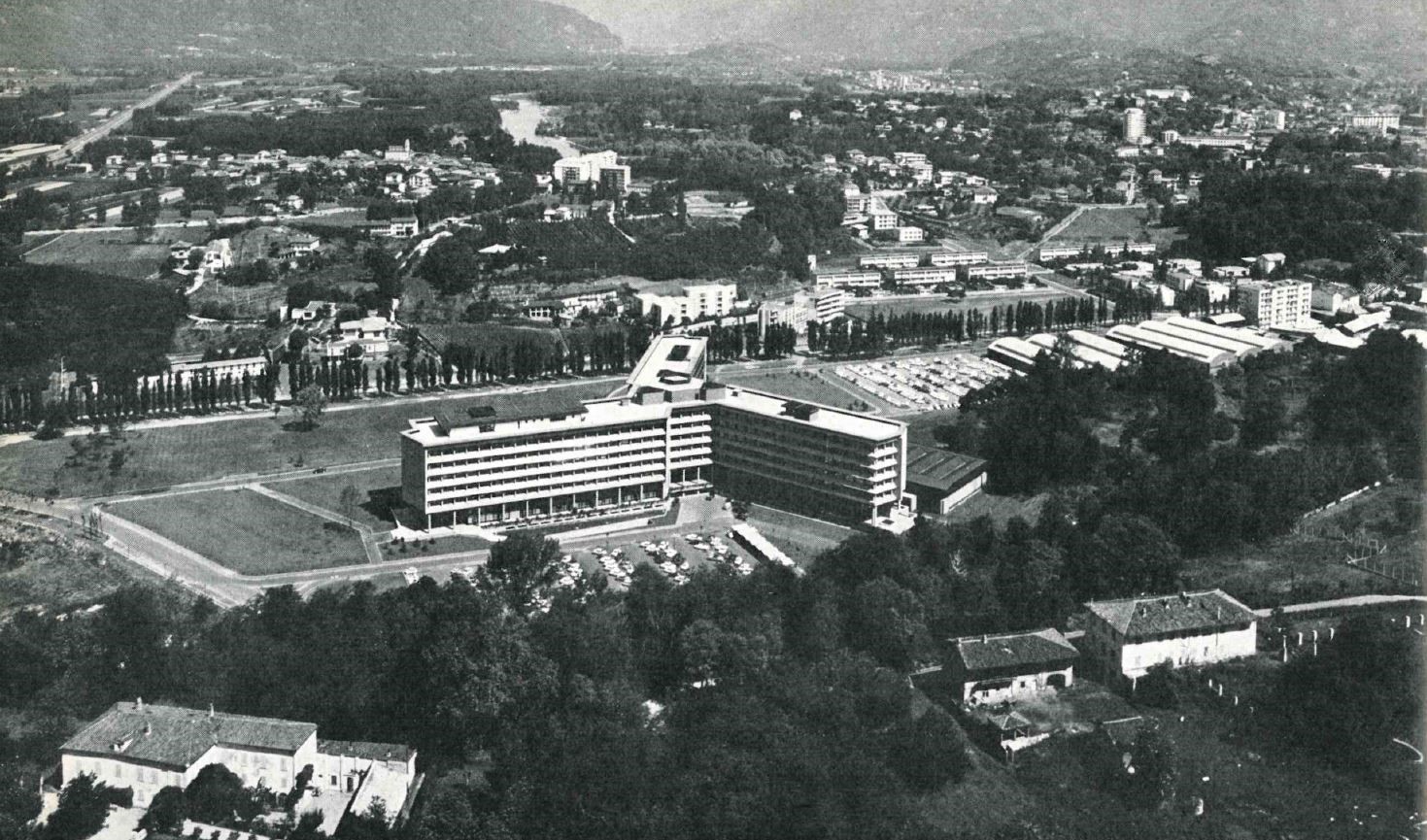
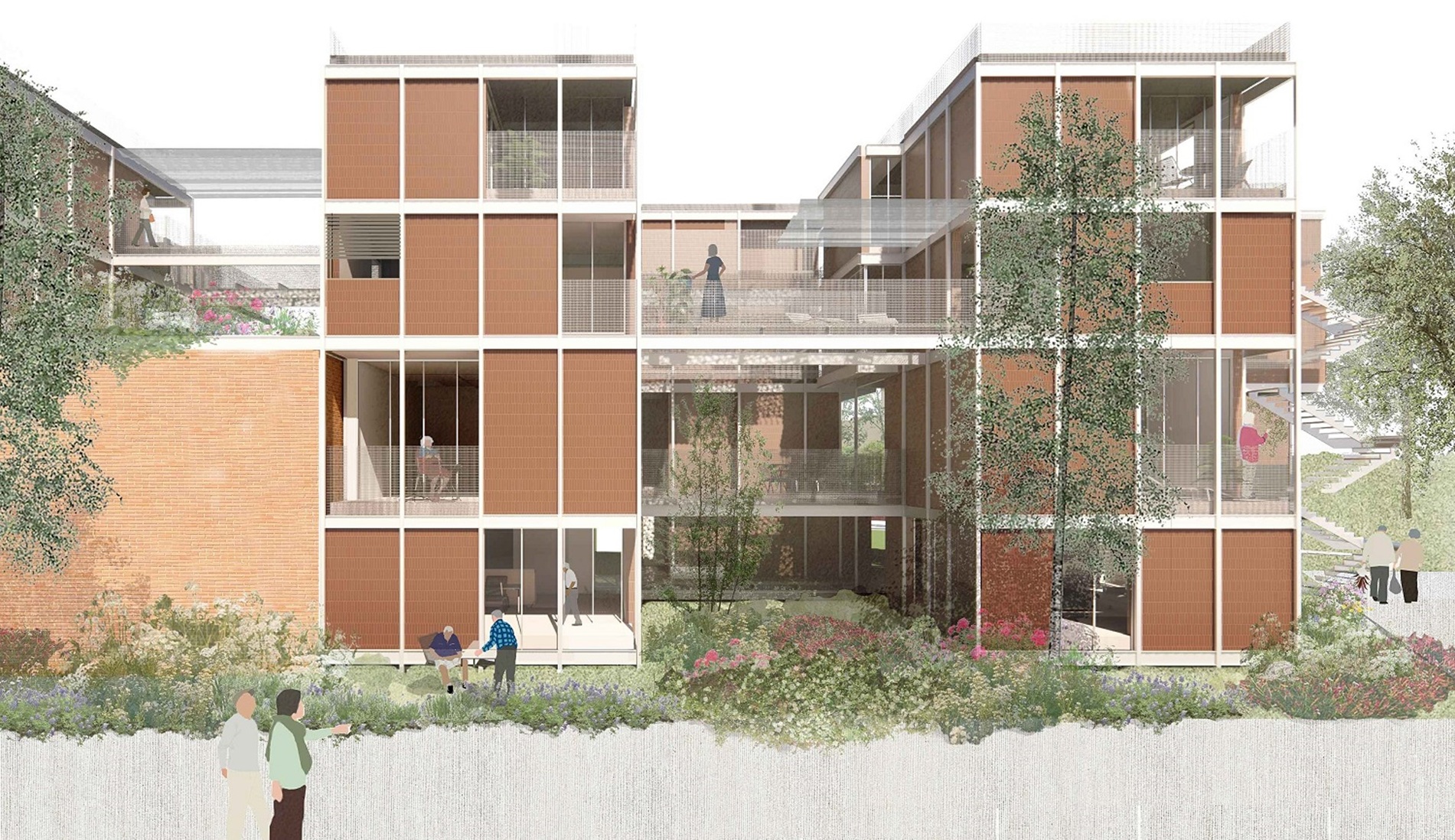
The European project CALECHE investigates low-emission renovation strategies for historic buildings in France, Italy, Sweden, and Switzerland. It gathers specialists from eighteen organizations including architecture, engineering, heritage conservation, and manufacturing. Together, they develop tools to facilitate heritage renovation, from technical solutions to decision-making support.
Early in the project, partners realised that differences in understanding of terminology were affecting their communication. This challenge led the research team to explore how artificial intelligence could support the design of a multilingual project lexicon that could facilitate collaboration across disciplines and languages.
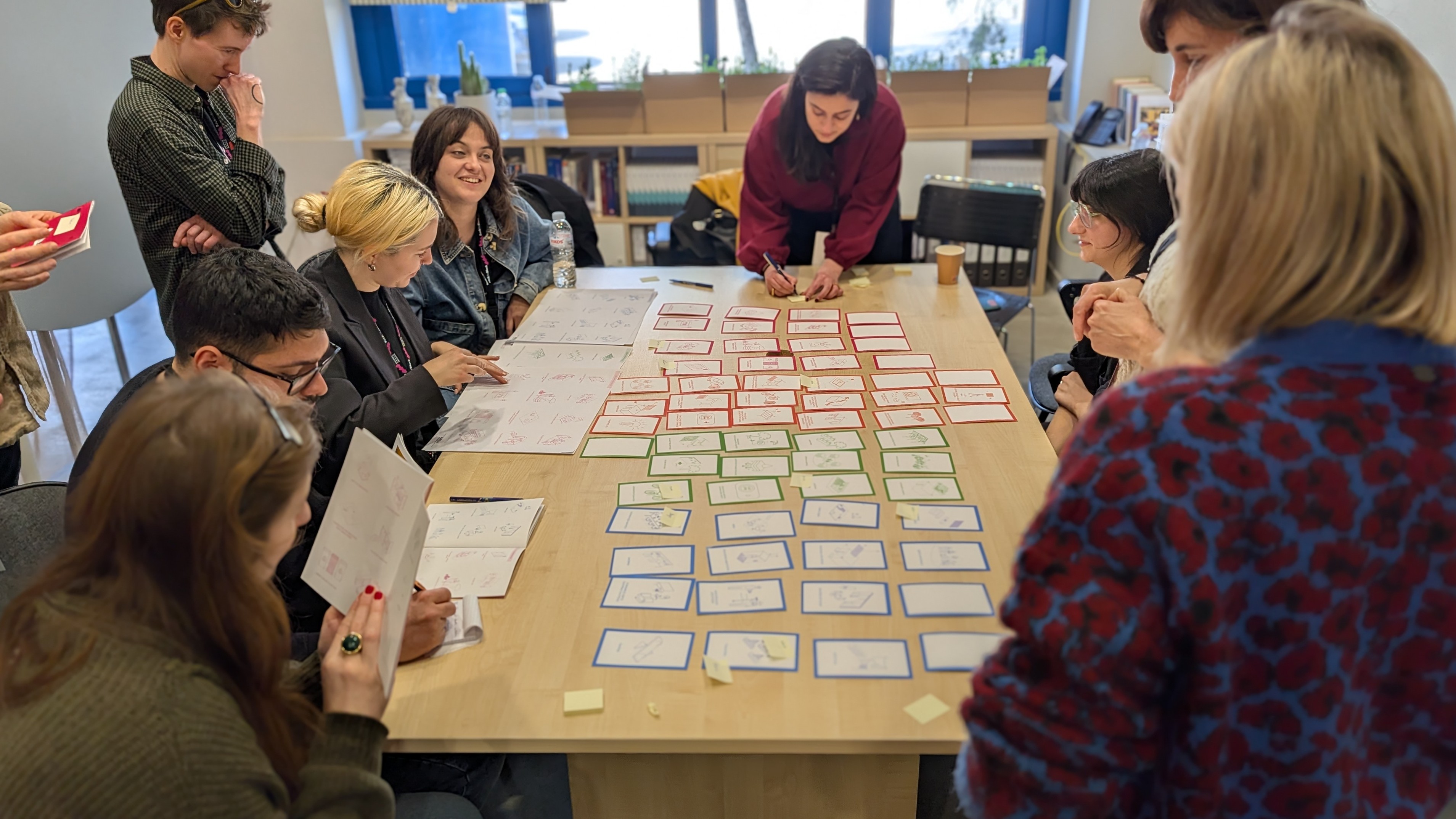
To build this shared vocabulary, the research team conducted a multilingual survey in which partners and external experts evaluated the definitions of 35 technical and conceptual terms related to sustainable heritage renovation (e.g. “cultural heritage”, “stakeholder engagement”, “energy retrofit”). Results revealed significant disagreement - core concepts like energy retrofit achieved only 62% consensus - confirming the terminology gaps. The team then used the AI model GPT‑4o as a neutral synthesis tool to analyse responses across four languages and generate consensus definitions grounded solely in participant input, producing a hybrid human‑AI lexicon that efficiently integrated multilingual perspectives. To guarantee technical precision and linguistic accuracy, the AI-generated definitions were reviewed and refined by native-speaking technical partners.
Consensus definitions derived from participant responses differed meaningfully from the ones generated solely by AI: the former placed greater emphasis on interdisciplinary cooperation, operational contexts, and real-world implementation challenges. This suggests that human input is nuanced and operational, bringing reasoning grounded in real-world experience, essential in such a process.
Lesson learnt
Defining a shared multilingual vocabulary is not a bonus, rather a pre-requisite
In the survey three-quarters of respondents chose not to use the official project language, English, and rather answer in their mother tongue (French, Italian, Swedish). This demonstrated the importance of allowing participants to engage in their native languages when discussing complex technical concepts.
This exercise demonstrated that a shared multilingual technical vocabulary is not a luxury, but a foundational requirement for moving sustainability from abstract theory into successful, real-world implementation.
Impact
The completed lexicon includes thirty-two validated definitions. Shorter versions of the glossary were developed for expert and non-expert audiences participating in local engagement workshops organised by the project. This targeted approach ensured that terminology clarification supported both technical collaboration and community engagement.
The lexicon functioned not only as a glossary but also as a communication bridge, supporting understanding among, on the one side, engineers unfamiliar with heritage terminology, and on the other, heritage specialists unfamiliar with vocabulary relating to energy performance modelling.
The CALECHE project was funded by the Horizon Europe programme.