Think it, Sketch it, Show it!
Co-design method to give young people a voice
Credit: GXN
Credit: GXN
Credit: GXN
Resource
Context
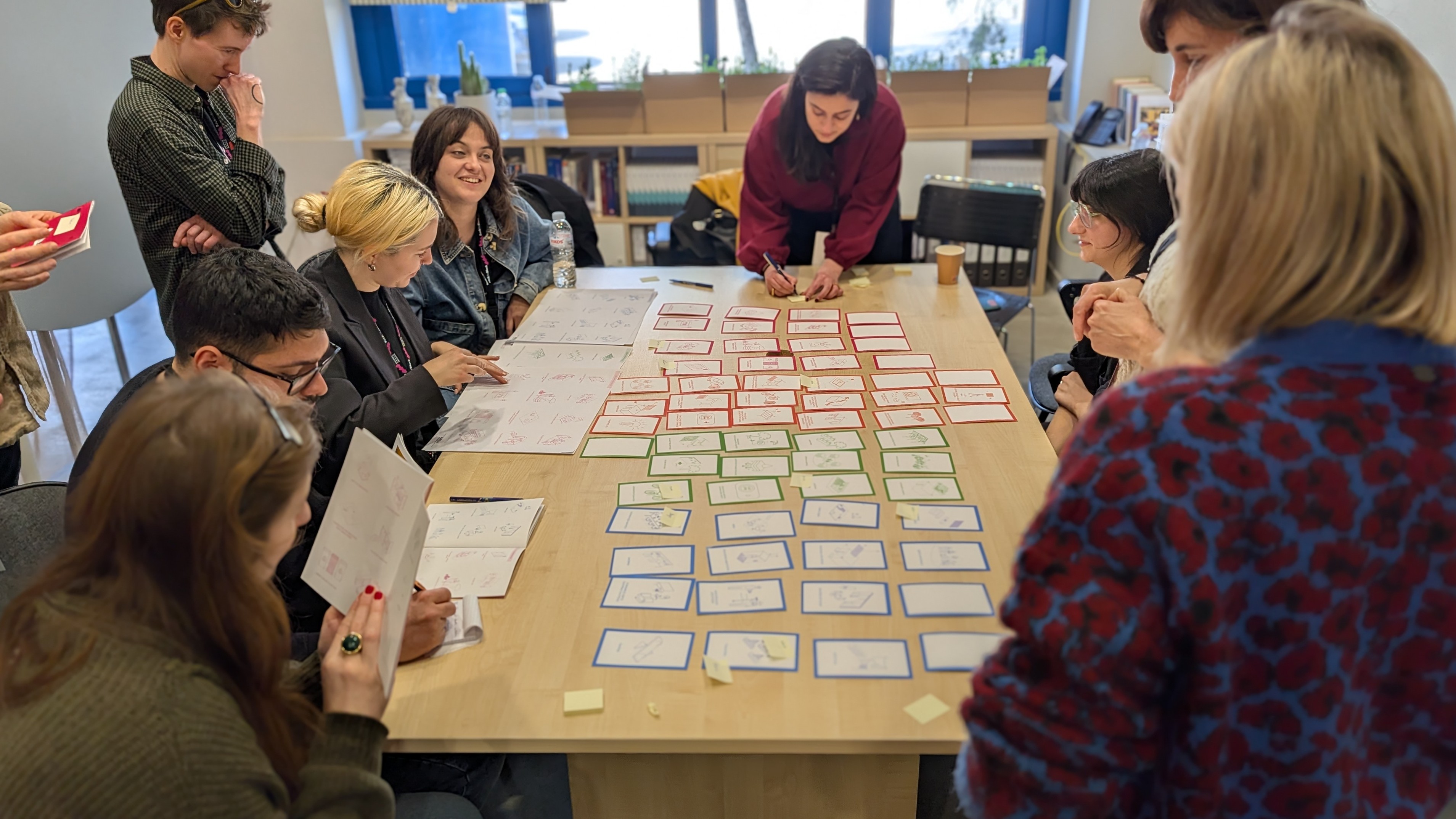
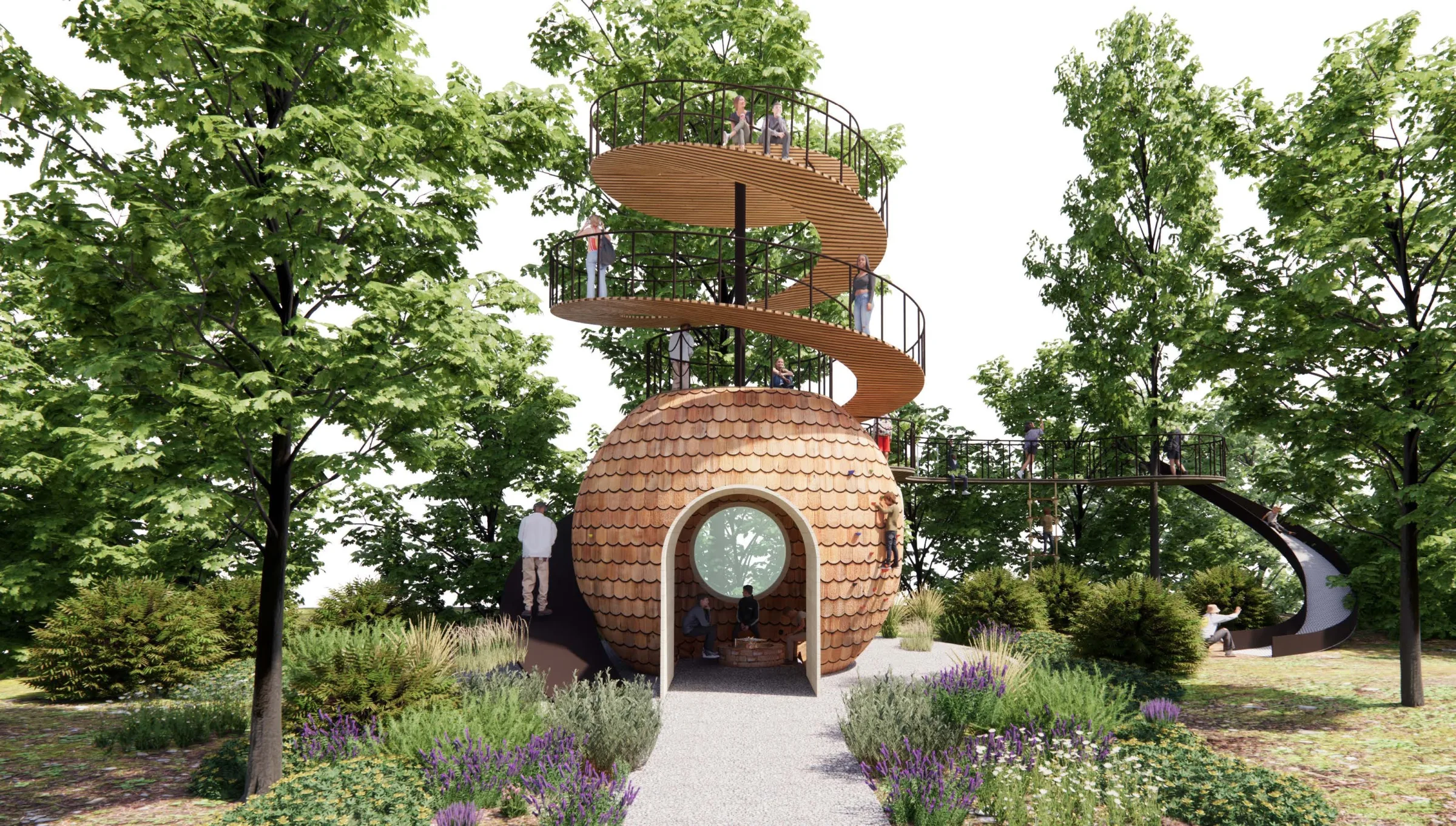
Involvement of young people to co-design a park area in one of Desire demonstration sites
This tool was developed as part of Desire – Designing the Irresistible Circular Society – one of six New European Bauhaus lighthouse demonstrators. The project, coordinated by BLOXHUB, ran from October 2022 to November 2024. Many tools were used by partners at the eight demonstration sites, some of these tools being developed during the project. The “Think it, Sketch it, Show it!” toolkit was produced by GXN, an architectural firm, to formalise the working method used for the demonstration site of the Gadehavegård neighbourhood, in Høje-Taastrup (Denmark). As part of Desire, this demonstration site (a large monofunctional residential area with close to 1000 apartments from the 1970s) has indeed experimented with citizen involvement in redefining open spaces. The toolkit was created based on the experience gained when delivering co-design workshops in the neighbourhood. The aim of these workshops was to support a group of 40 eighth graders to express ideas, desires, and impressions for a 30,000 m2 park area for children, teenagers, adults, and the elderly, that was to be developed in their neighbourhood.
The resource in a nutshell
A digital brochure presenting a clear process and key tools for co-designing with young people
The Think it, Sketch it, Show it! tool is a 6-step toolkit, available as a digital brochure, on co-designing with young people. It demystifies tools and processes commonly used by designers.
This tool is used to involve young people in a design process, enabling their creativity and giving them a voice. It gives them a space to express their needs, explore their ideas, and translates these ideas into engaging design projects and visuals.
Duration: The recommended time is 2-5 days for the on-site workshops, and an additional 3-10 days for visual production.
Space: Depending on the number of participants, a flexible space is suggested to enable people to move around, rearrange materials and work in a variety of settings, e.g. plenary presentations, team work, large group discussion, pin-ups.
Tools & materials: Papers, pencils, markers, projector, tables, scissors, post-its and a variety of specific tools and templates that are described in the toolkit.
Participants:
- Young people: the tool has been designed for and tested with 12-17-year-old students but can be applied to a wider age range.
- Facilitators and a design team are a key presence in workshops. Facilitators organise and run the activities, while the design team is responsible for supporting the development of participant ideas, translating them into professional looking projects. 1-3 facilitators are needed for every 10 students depending on age and abilities.
- Teachers are an invaluable resource. They can help refining design challenges and tasks, and also linking design work to topics that have previously been covered in school, thereby facilitating additional learning processes.
Process: The design workshop is composed of 6 connected steps as well as 3 visual production sessions for the design team. Following these steps guarantees a good result and a fun experience for the participants.
- Research (1 full day or multiple days in shorter sessions): Conduct on site research (with template or app to collect data, informative materials, interview scripts to conduct interviews with locals), gather insights, increase understanding of the area
- Inspiration (1.5h): Developing the right mindset for participants, create teams and logos, understand the objective of the co-creation workshops and get inspiration from architects and designers. After that step, the design team translates team names and logos into great-looking graphics.
- Ideation (2h): Concept development through reference images, sketches, descriptions, discussion. Each team selects a category they would like to work with (e.g. chill out zone, sport activities, nature) and fill in a concept template.
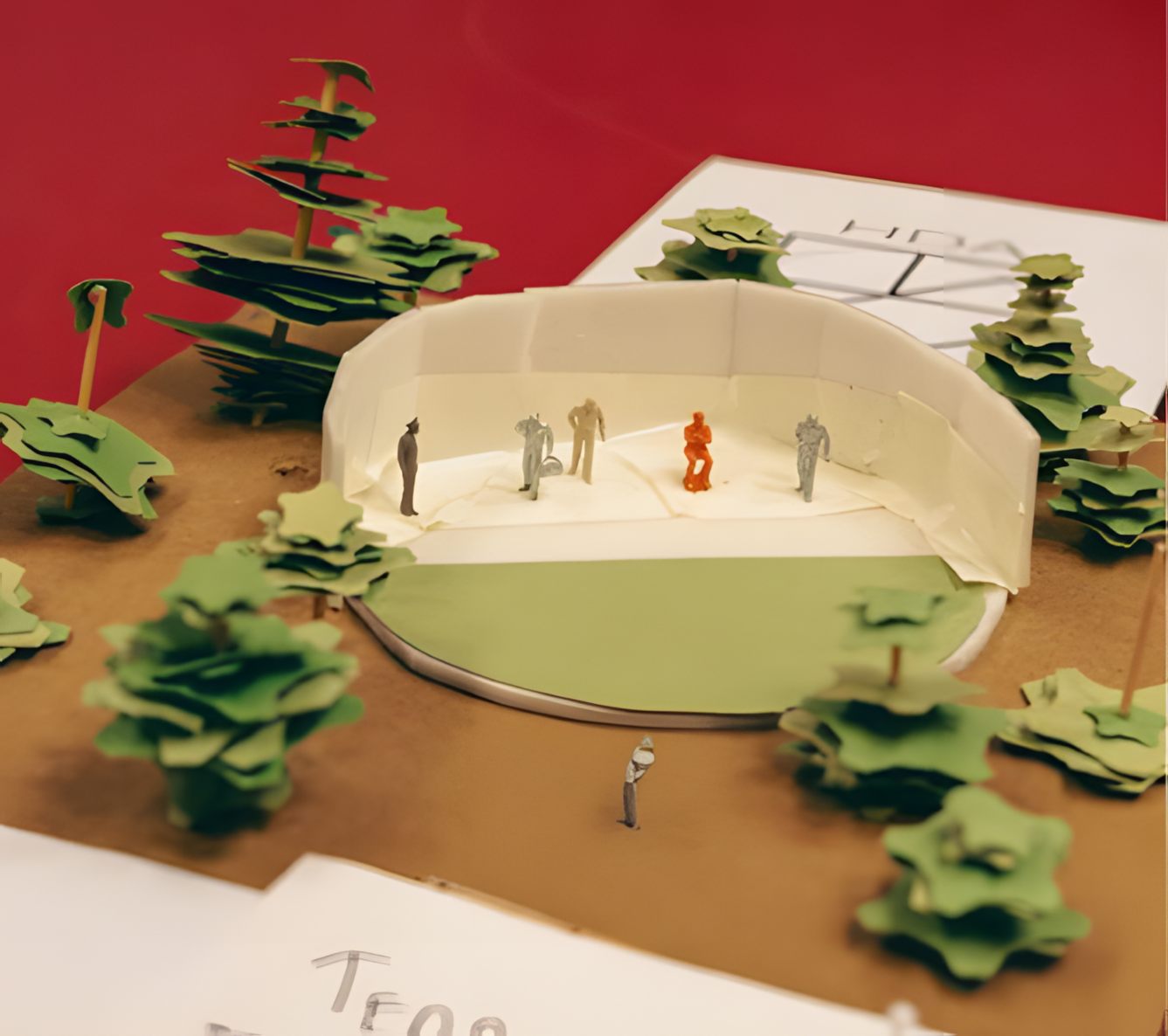
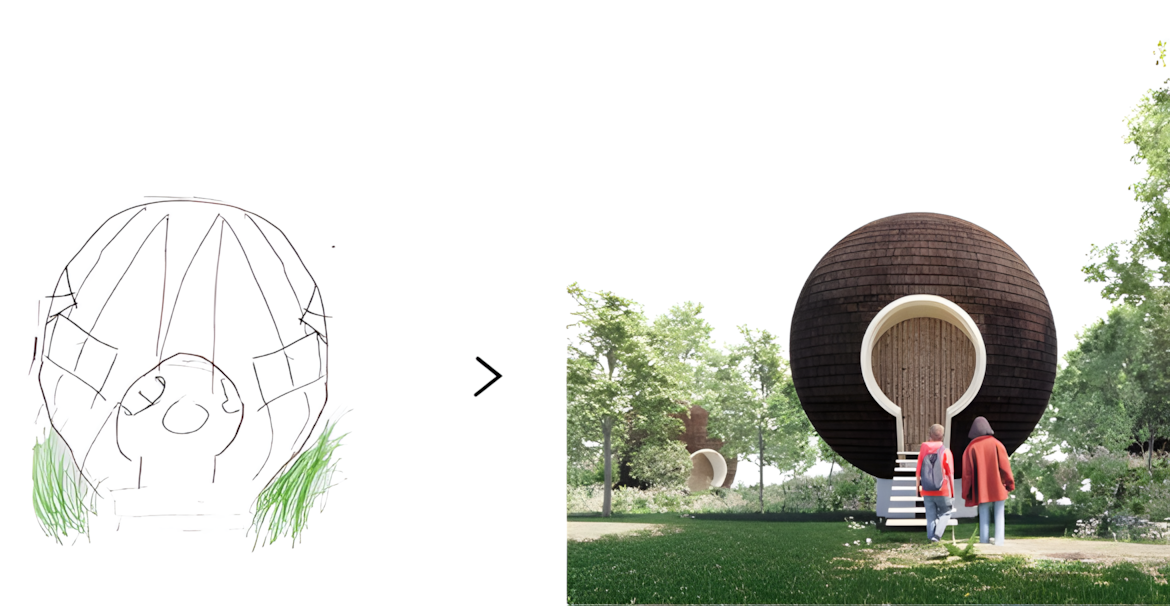
- Prototyping (3h): Physical modelling (using foam, cardboard, wooden stick, lego, cutouts etc.), hand sketching, material palette selection, AI image generation to detail and define ideas and transform them into real designs proposals with expert help and guidance. These designs are afterwards translated into 3D models and visualisation by the design team.
- Iteration (1.5h): Final iteration on designs (using the realistic visuals produced by the design team) with participants, along with material selection suggestion, and discussion on circular design opportunities. This iteration is then implemented into 3D models and visualisations.
- Feedback (3h): Final exhibition with presentations and feedback session. External guests are invited and each team practises a small presentation beforehand, following pitch guidelines. Allow time for discussion and final feedback to all the teams together for recognition of great work!
The toolkit can be downloaded from Desire website or directly from GXN website. Its content enables to adapt similar co-design workshops to different places and scenarios. The intention is to provide an easy-to-use resource for the implementation of engaging co-design activities with young people.
The Desire project (Designing the Irresistible Circular Society) was funded by the Horizon Europe programme.