EkiElkar- drOp’s energy community in Santa Ana, Ermua
Vulnerable district becomes a living lab for inclusive energy transition
Credit: Ayuntamiento de Ermua
Credit: Ayuntamiento de Ermua
Credit: Ayuntamiento de Ermua
Case Study
Context
A social housing district becomes a living lab for energy transition through public participation
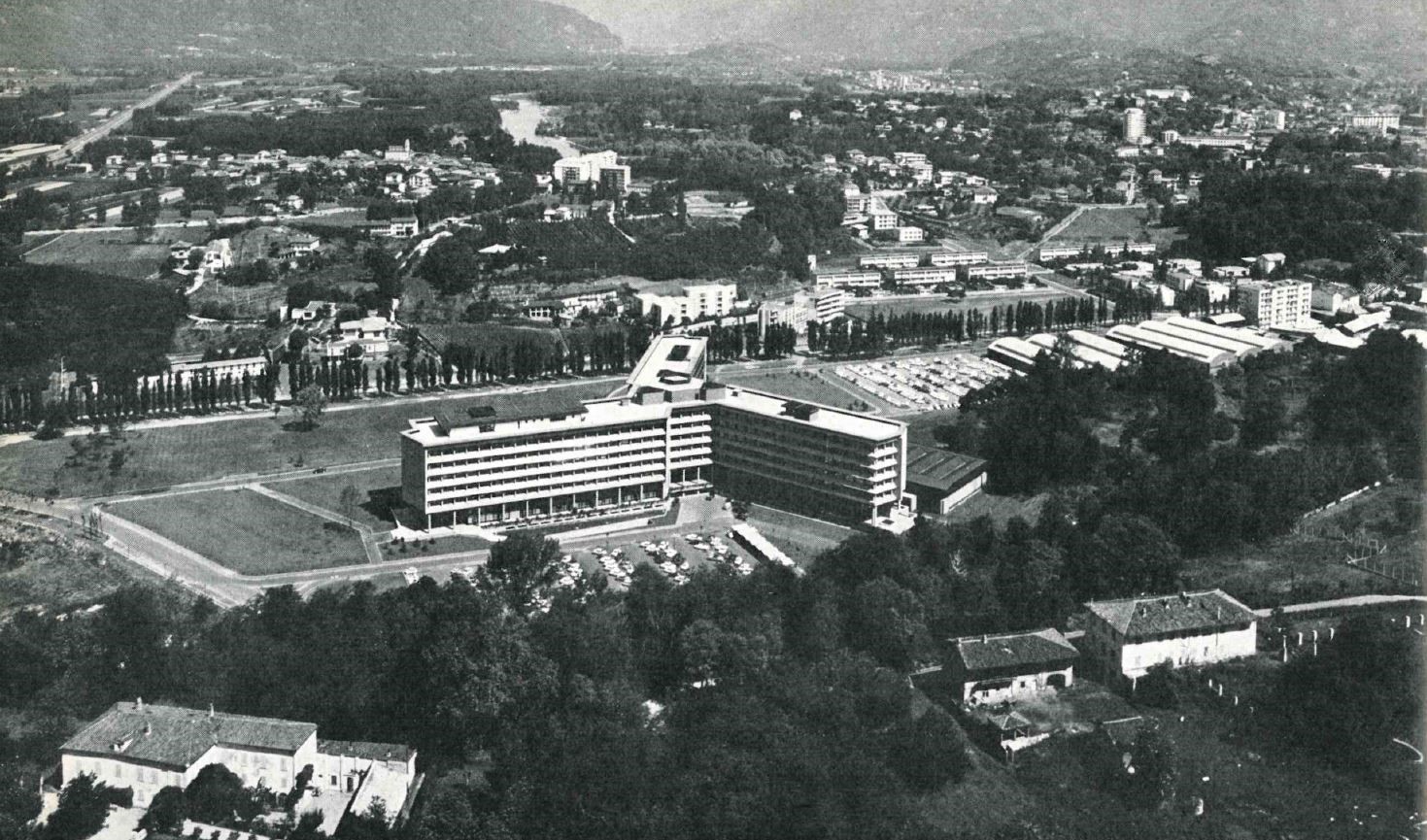
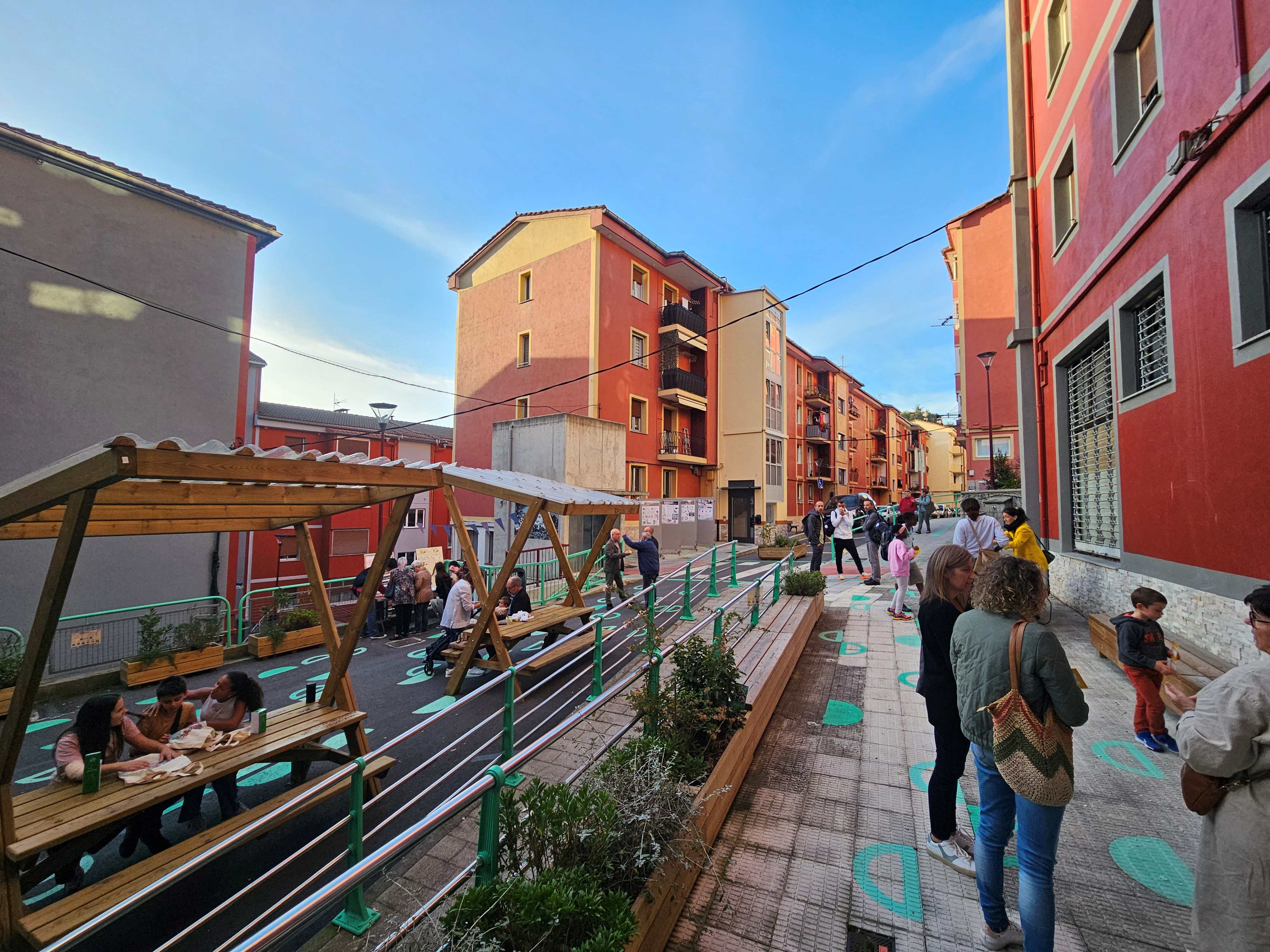
Santa Ana is a social housing neighbourhood in Ermua, built in the 1960s–70s during the peak of industrialization. In just a few decades, the town’s population grew so rapidly that a new district had to be created quickly on the slopes of a mountain, leaving little room for thoughtful urban planning or energy efficiency. What once solved an urgent housing need has carried structural problems that still affect residents’ quality of life. Housing blocks lack proper accessibility and are poorly insulated, which leads to high heating costs., and public spaces lack greenery or comfort, becoming places people pass through, not linger. The population is ageing, with many immigrant families, and most residents are unfamiliar with technical concepts like photovoltaics or digital monitoring. Participation culture was weak, and trust in public administration (the coordinators of the drOp project) was fragile. These conditions made Santa Ana the perfect pilot for drOp’s ambition: to prove that integrated renovation can be more than bricks and panels: it can rebuild confidence, empower citizens, and make sustainability tangible. Starting in 2022, the challenge was not only to improve energy performance but to make these topics accessible, engaging, and inclusive, turning a passive community into active co-creators of their future.
Story
EkiElkar: a neighbourhood energy community born from an integrated renovation process under the EU drOp project
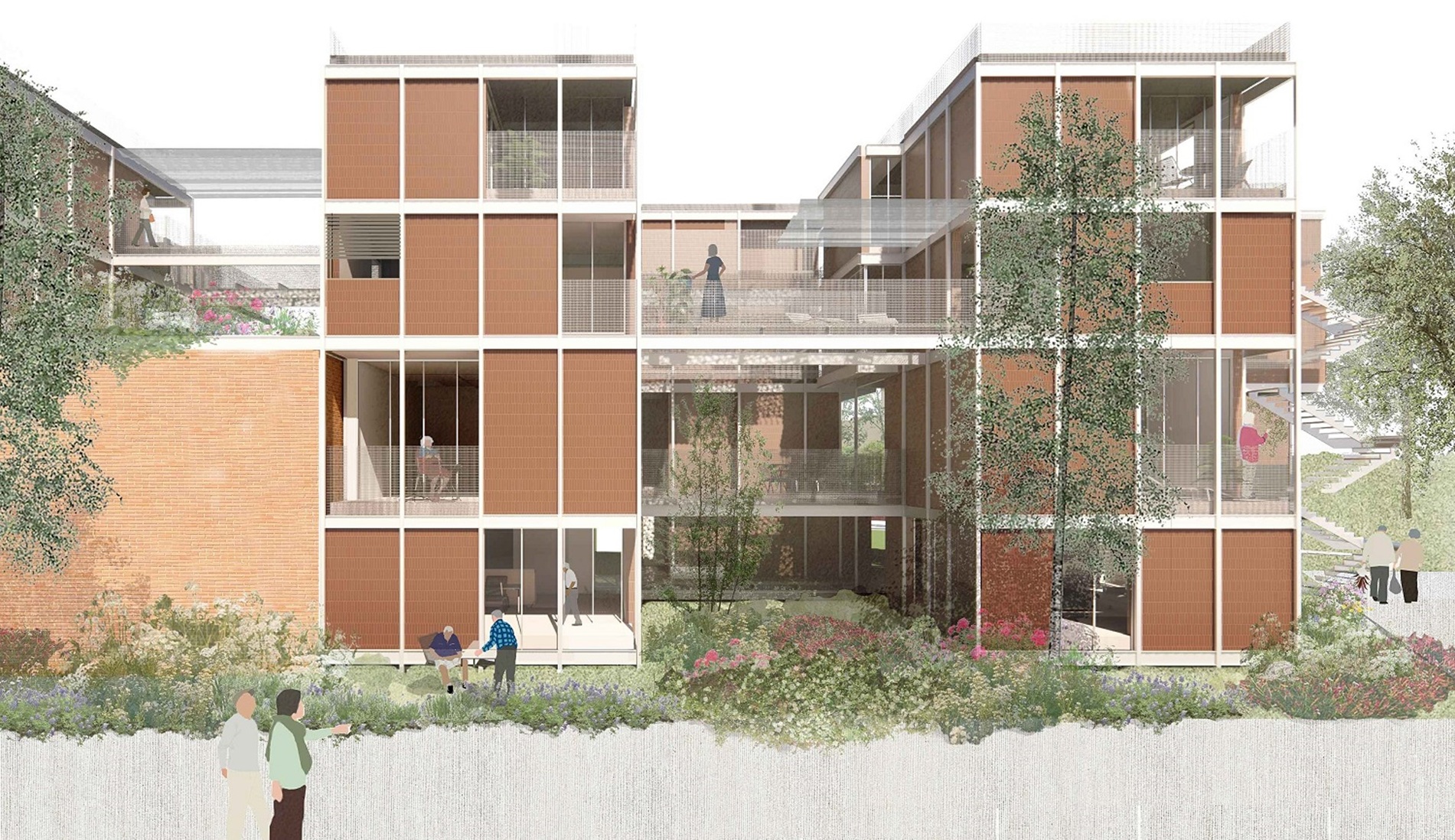
Santa Ana became the pilot site of the EU-funded drOp project. drOp developed and applied an Integrated Renovation Methodology (IRM) to regenerate social housing districts through a co-governance model, and worked around five interconnected axes: public space, local economy, social innovation, digitalization, and energy efficiency.
The Santa Ana pilot began its activities in 2022 with a comprehensive diagnosis of the neighbourhood. This assessment examined the urban structure, energy supply and consumption, the condition of the building stock and its retrofitting needs, ICT infrastructures and services, as well as the local economic and cultural ecosystem and levels of citizen engagement.
Following this, a co‑governance process was launched integrated in the IRM levels. The first two stages—engagement and co‑creation of the co‑governance structure—were situated at the strategic level. The third stage, Structure Test, was carried out between the Design and Intervention levels of the IRM. The fourth stage, Evaluation, took place at the end of the Intervention level of the IRM.
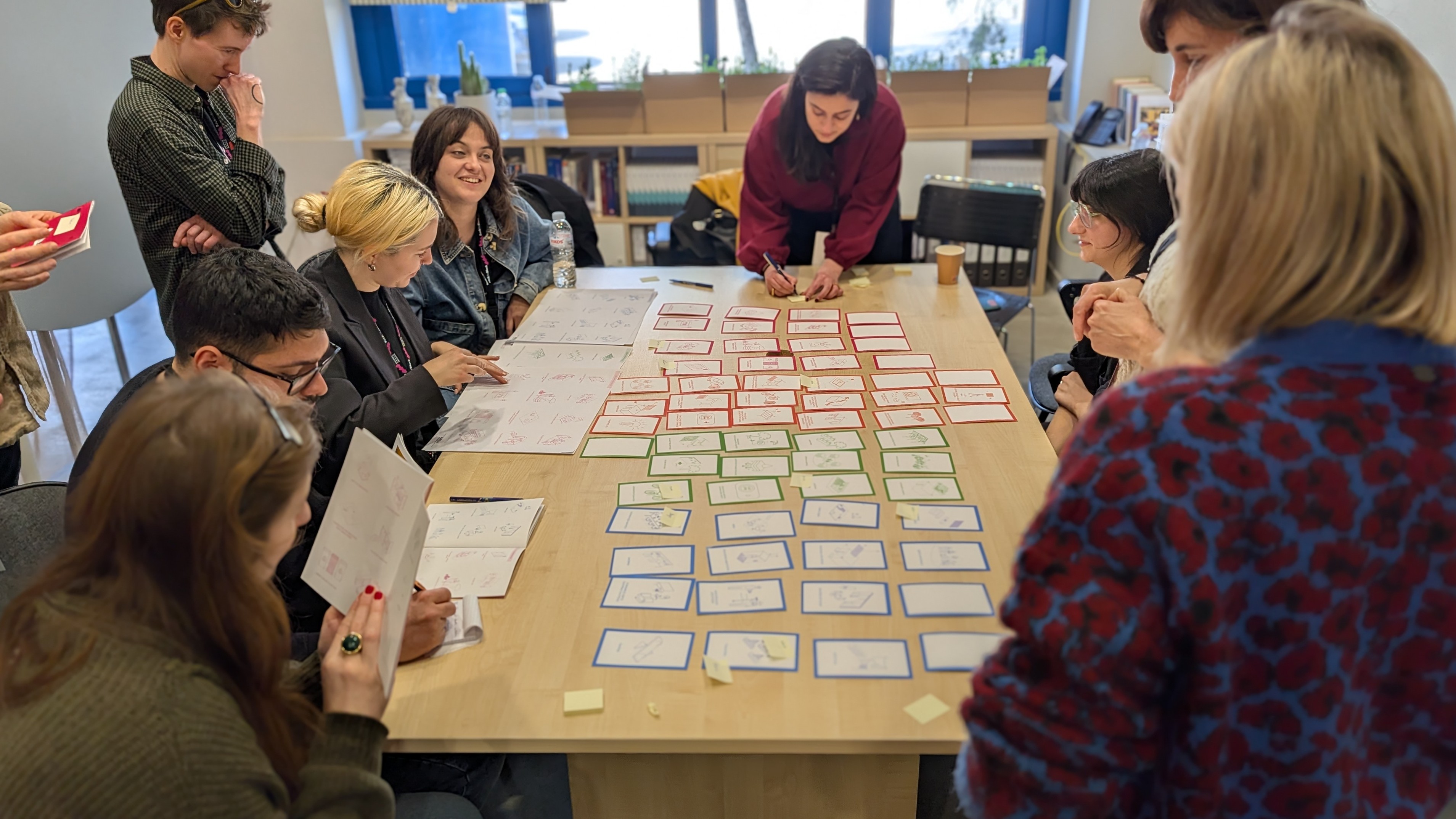
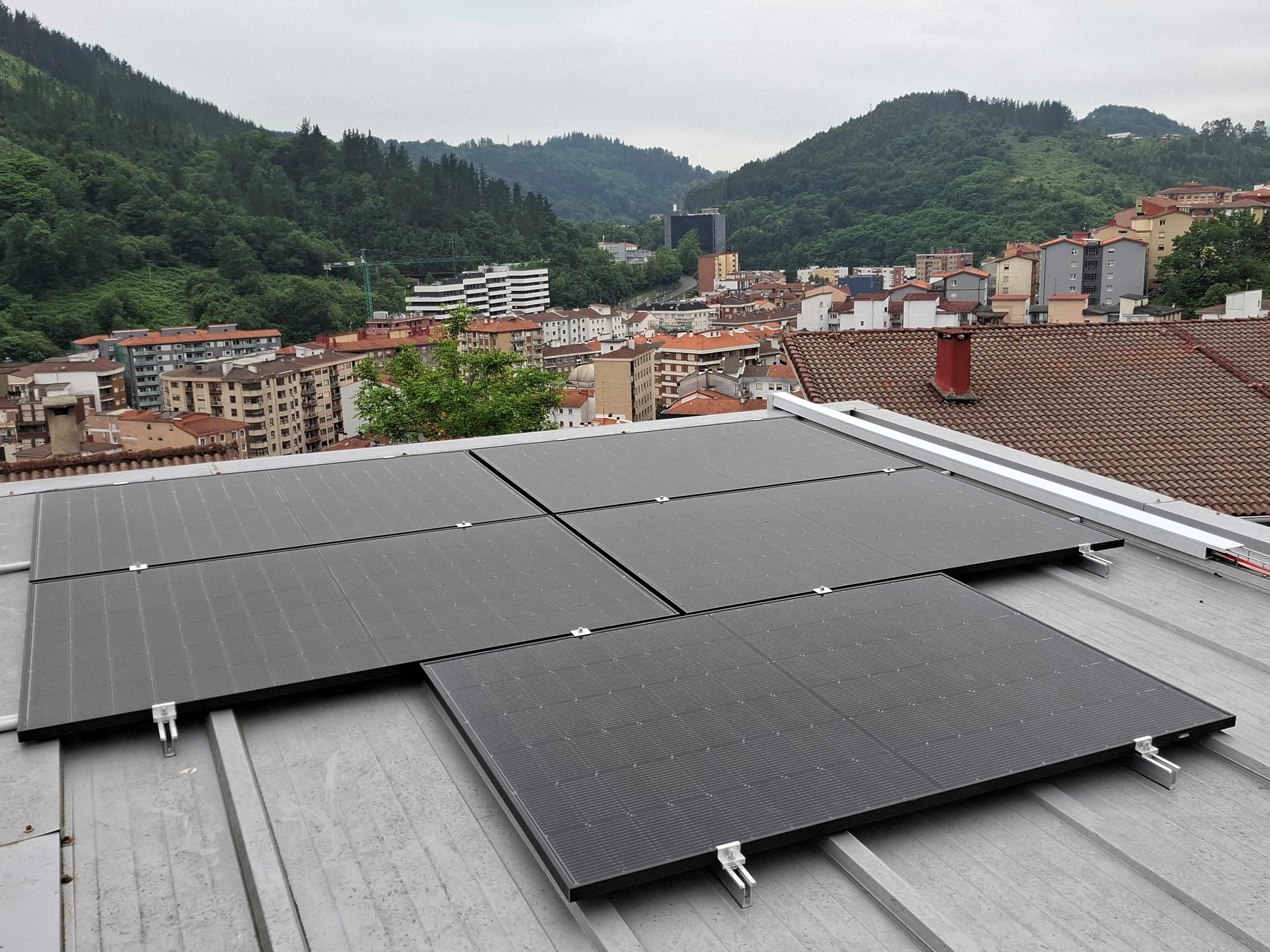
Throughout this co‑governance process, residents shaped a shared 2035 vision, prioritised local needs, and co‑designed ten initiatives. These included the creation of a neighbourhood office, an energy community, a mapathon session, a certified training course, a tactical urbanism square, a party‑wall design, the renovation of a public square, actions to strengthen community connections, exploration of health services for the ageing population, and the revival of Santa Ana Day. Between all these initiatives, energy efficiency and a local energy community emerged as top priorities. In 2025, neighbours, local shops, and the local school formed EkiElkar, a legal association to co-govern shared solar energy. A 40 kWp PV system (90 panels) was installed on the school’s roof, enabling collective self-consumption. Beyond panels, a holistic strategy included training pills, open workshops, community events on energy efficiency, personalized bill analysis at the Neighbourhood Office, legal and technical support, and a digital app for monitoring consumption. This initiative is boosting the neighbourhoods’ sustainability, energy independence, and local economy, at the same time as building and testing a replicable governance model with the potential of being expanded to other areas of the municipality and beyond.
Lesson learnt
Energy transition succeeds when technical change meets cultural transformation
What worked well:
- Using public space as an open classroom reinforced the democratic character of the actions and promoted citizen engagement.
- Prioritizing experiential and ‘fun’ activities turned technical knowledge into something accessible and memorable, especially for those unfamiliar with energy concepts.
- Adapting language and communication to be clear, friendly, and attractive was essential to overcome technical barriers and improve engagement.
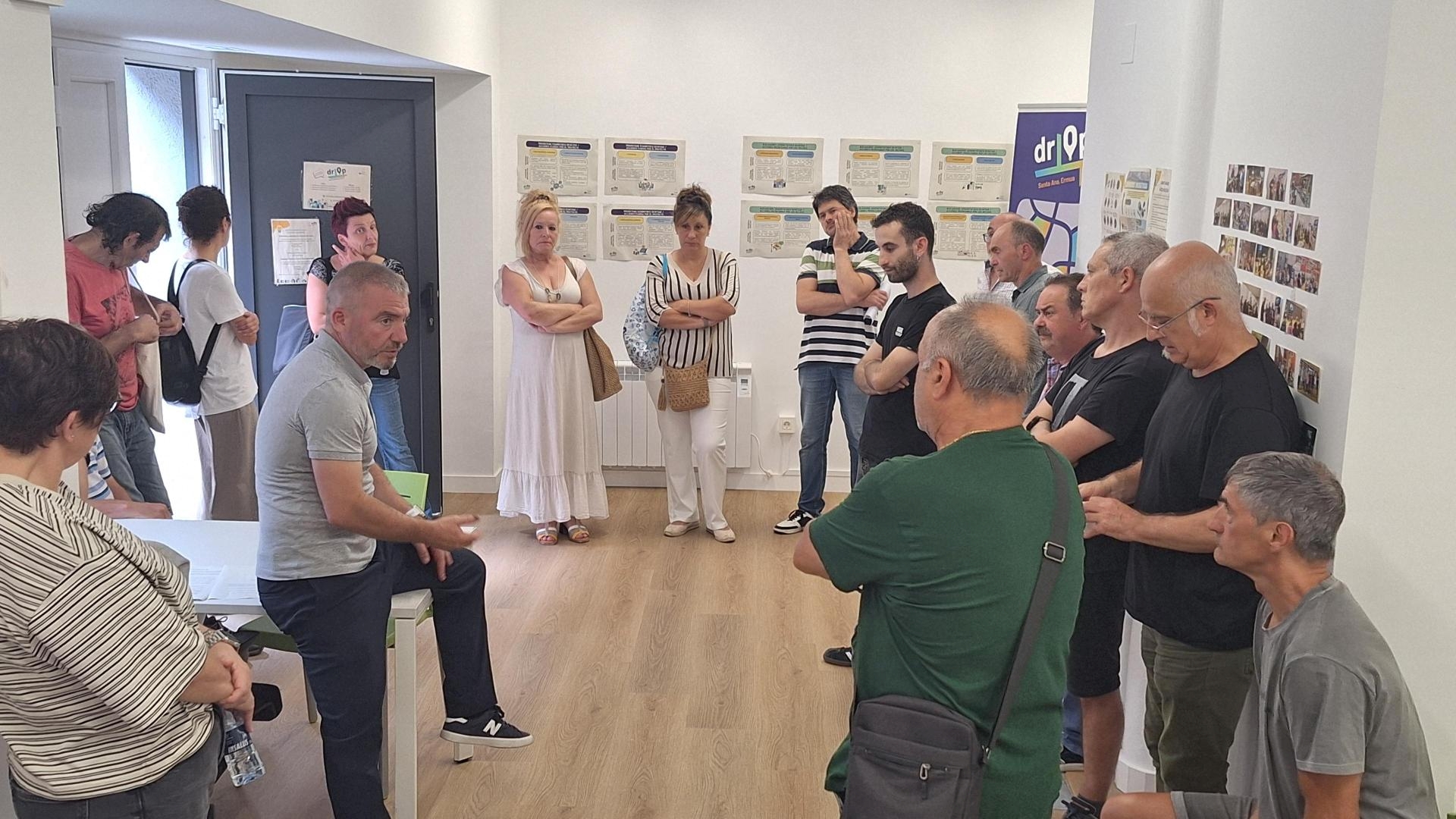
- Having a physical space for direct support (Neighbourhood Office) worked extremely well. Energy topics are complex, and residents felt safer knowing they could receive personalized guidance from familiar, approachable staff who genuinely care about the neighbourhood.
- Embedding additional services (like bill analysis, training pills, community events) within a global strategy emphasized that energy transition is not only about installing panels but about changing habits and identity, fostering co-responsibility for climate action.
Challenges and warnings:
- The process is long and complex, often slowed by bureaucracy. This can frustrate participants, so it is crucial to manage expectations, communicate clearly, and nurture trust throughout.
Recommendations for cities and stakeholders:
- Build multi-agent coalitions to share responsibility and enrich solutions.
- Invest in clear, inclusive communication and avoid jargon.
- Provide continuous, human-centered support through a local office or trusted mediators.
- Frame the project as a cultural and behavioural shift, not just a technical upgrade.
- Anticipate administrative delays and plan for trust-building and expectation management from the start.
Impact
The EkiElkar initiative has generated tangible environmental, social, and cultural change in Santa Ana. Environmentally, the installation of a 40 kWp photovoltaic system produces around 41,000 kWh per year, avoiding approximately 10 tons of CO₂ annually. Economically, collective self-consumption delivers estimated annual savings of €5,400, reducing energy bills for 46 households (home to over 115 residents), three local businesses, and the school, while strengthening resilience against energy price volatility.
Socially, the project has transformed participation culture in a neighbourhood where engagement was historically low. Through continuous consultations at the Neighbourhood Office, individual energy bill assessments, training pills, a soon-to-be-launched energy monitoring app, and community events like Energy Day (involving 147 pupils and 65 residents), residents gained energy literacy, digital skills, and confidence to co-govern resources. The creation of the EkiElkar association formalized this empowerment, embedding a co-governance model that combines municipal leadership with citizen ownership.
Culturally, the initiative reframed energy transition as a shared responsibility, not just a technical upgrade. Finally, EkiElkar was the pilot that tested drOp’s Integrated Renovation Methodology in real conditions, generating value and knowledge through experimentation. Lessons learned here will inform replication in other districts across Europe, proving that systemic change requires both technical solutions and cultural transformation. This impact goes beyond energy: it strengthens social cohesion and positions the neighbourhood as a reference for inclusive, sustainable urban regeneration.
The EkiElkar initiative of drOp project was funded by the Horizon Europe programme.